



Highlights
- Nintendo faces a five-month losing streak as investors demand a $50–$100 Switch 2 price hike.
- Hardware sells at a loss due to a 41% spike in production costs from the global AI chip shortage.
- Record sales for Pokémon Pokopia and Mario Kart World contrast with Wall Street’s margin concerns.
Nintendo is currently caught in a bizarre tug-of-war between roaring consumer success and mounting Wall Street anxiety. Despite the massive popularity of the new Switch 2 console and a string of record-breaking software launches, the gaming giant is weathering its most significant stock market decline in a decade. The company has suffered a five-month losing streak, its longest sustained decline since 2016. This drop has left Nintendo in a tense atmosphere as shareholders look toward this Friday’s highly anticipated earnings report.
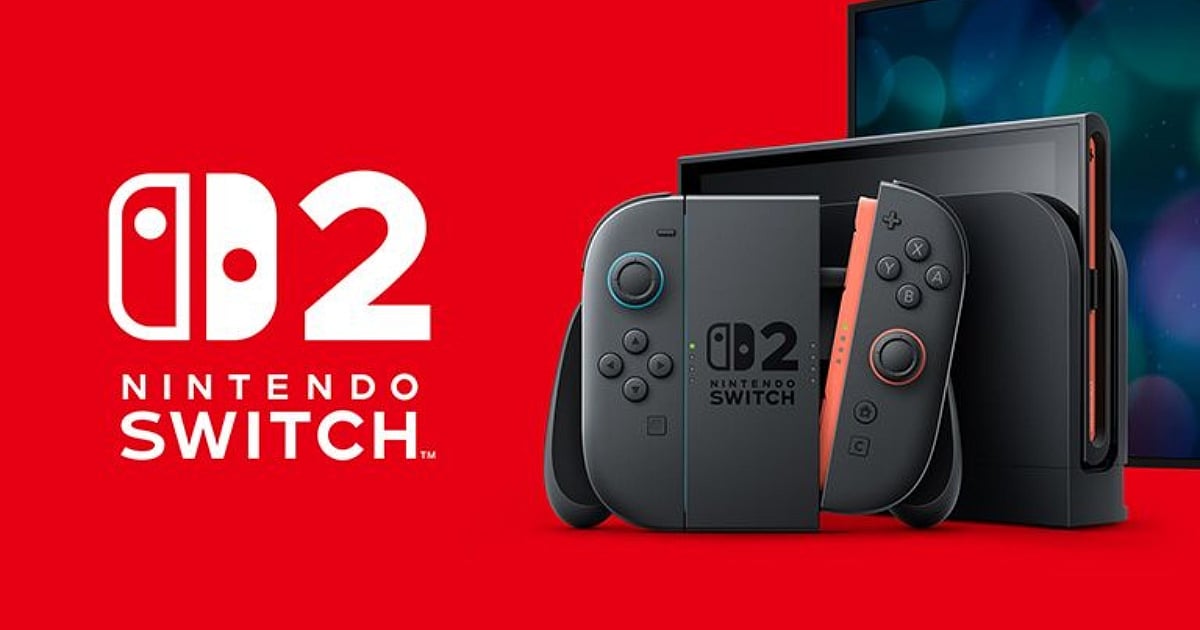
The primary driver behind this investor exodus is a growing demand for Nintendo to raise the price of the Switch 2 hardware. As highlighted in Bloomberg's Tech In Depth newsletter, investors are deeply concerned that the console is not profitable enough. Currently retailing for $449, the Switch 2 is reportedly being sold at a loss of between $40 and $100 per unit just to ensure a massive, highly engaged user base.
Wall Street is now pushing Nintendo to increase the retail price by $50 to $100, targeting a new sweet spot of $499 to $549. This hike would help offset production costs that have surged by an alarming 41%, largely driven by the global AI chip shortage, soaring memory component prices, and new international trade tariffs.
Record Software Sales vs. Market Sentiment
This financial friction exists in stark contrast to Nintendo’s actual sales performance, which remains the envy of the industry. The Switch 2 continues to outpace the original console's early sales, bolstered by an incredible software lineup. The recently launched social simulation spin-off, Pokémon Pokopia, moved 2.2 million units globally in its first four days alone.
Other massive hits are showing similar strength, with Mario Kart World reaching 14.03 million units in sales and Pokémon Legends: Z-A nearing the 4 million mark. Beyond the digital realm, The Super Mario Galaxy Movie has completely dominated the 2026 global box office, nearing a staggering $900 million USD gross, as per Wccftech.
The Super Mario Galaxy Movie/Nintendo of America
The Industry Pricing Divide
While competitors have already raised prices to combat inflation, with Sony hiking costs across its entire PlayStation ecosystem, including the PS5, PS5 Slim, PS5 Pro, and PlayStation Portal, Nintendo has stood firm. However, Bloomberg notes that the industry remains fiercely divided on whether holding that line is the right move.
Toyo Research Advice analyst Hideki Yasuda believes the stock will continue to bleed until a price hike is announced, arguing that the market is actively punishing stocks that lack inflation-hedging power. Conversely, Wedbush Securities analyst Michael Pachter reckons it would be incredibly foolish to raise prices right now. Pachter points out that everyday consumers are already hurting from high gasoline and food prices, and when living expenses go up, entertainment budgets are often the first thing families cut.
Ultimately, Pelham Smithers Associates, an independent research provider covering the Japanese market, recently shared a note warning that Nintendo simply cannot afford to make a mistake in either direction. If they miscalculate their pricing strategy, they risk running into another "Wii U problem" where the situation spirals out of control.
All eyes are now on Friday's quarterly earnings call, where Nintendo president Shuntaro Furukawa may address the pricing concern once again. Given Nintendo's historical caution when it comes to hardware changes, many suspect the company might simply adopt a wait-and-see approach, deferring any major pricing decisions to a later date. Whatever choice they make, the entire gaming world will be tuning in later this week to find out.