





NVIDIA DLSS 5 Debuts With Real-Time AI Graphics System
NVIDIA DLSS 5 Debuts With Real-Time AI Graphics System
NVIDIA DLSS 5 brings generative AI graphics and real-time 4K rendering.

Highlights
- NVIDIA DLSS 5 combines structured 3D data with generative AI for real-time graphics.
- Neural rendering replaces pixel-by-pixel processing with 4K output and added realism.
- Launch set for fall with support from major publishers and select game titles.
NVIDIA unveiled DLSS 5 at its GTC keynote on March 16, 2026, introducing a generative AI-based graphics system. It is designed to improve realism while reducing rendering workload. NVIDIA CEO, Jensen Huang, stated that the technology combines 3D data with AI models to generate real-time visuals.
The feature is scheduled to roll out this fall with support from major studios and select titles.
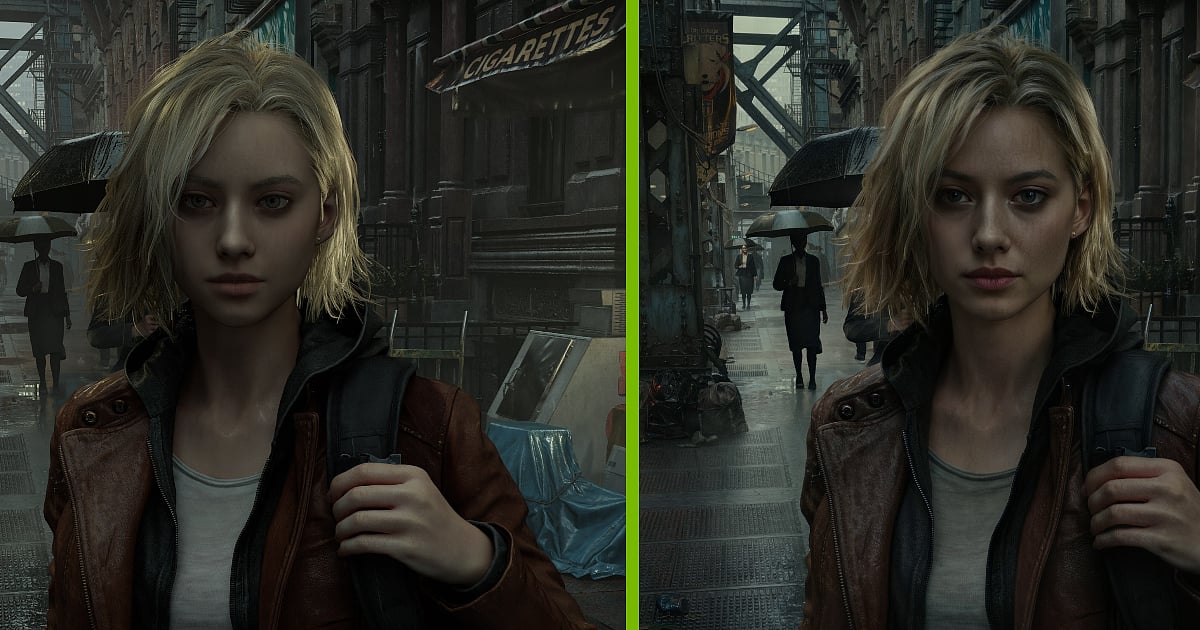
DLSS 5 replaces pixel-by-pixel rendering with a neural model that predicts lighting, materials, and detail from a single frame. The system processes color and motion vectors to anchor outputs to the original scene, enabling consistent results at up to 4K resolution.
NVIDIA revealed the model is trained to interpret scene semantics such as characters, hair, fabric, and lighting conditions. It then reconstructs them with added realism.
Huang described the approach as combining “controllable 3D graphics” with “generative AI, probabilistic computing.” He said it allows developers to produce content that is beautiful, amazing, and controllable.
Huang also called DLSS 5 a “GPT moment for graphics,” reflecting a broader shift in computing.
NVIDIA DLSS 5 AI Graphics Expands Beyond Gaming Use Cases
NVIDIA framed DLSS 5 as part of a wider transition where structured datasets and generative AI systems work together. Huang pointed to enterprise platforms such as Snowflake, Databricks, and BigQuery as examples of structured data systems. He added that future AI systems could analyze these datasets alongside generative models.
In games, DLSS 5 introduces noticeable changes to lighting, shadows, and character models. These changes can alter appearances, drawing mixed reactions.
NVIDIA mentioned that developers can adjust intensity, color grading, and masking to preserve artistic intent.
The technology will be supported by publishers including Bethesda, CAPCOM, Ubisoft, Tencent, and Warner Bros. Games. Confirmed titles include Starfield, Hogwarts Legacy, and Assassin’s Creed Shadows. NVIDIA noted DLSS 5 represents its largest graphics advancement since real-time ray tracing, signaling a shift toward AI-driven rendering across industries.

Author
Probaho Santra is a content writer at Outlook India with a master’s degree in journalism. Outside work, he enjoys photography, exploring new tech trends, and staying connected with the esports world.