BTS member Jungkook's home stalking case reaches a verdict as a South Korean court hands down a suspended prison sentence.
BTS Jungkook Stalker Sentenced to Suspended Prison Term
Although the court's decision closes one chapter, the case raises a massive question about protecting K-pop stars' private lives in an increasingly globalized world.

Highlights
- A South Korean court has delivered its verdict in the high-profile Jungkook stalking case, marking a significant legal response to repeated privacy violations.
- Court records reveal a pattern of repeated visits and escalating aggressive fan behavior that made the authorities impose stricter measures.
- The ruling redefines legal boundaries of fan behavior and spotlights the growing challenge of protecting K-pop stars from obsessive harassment.
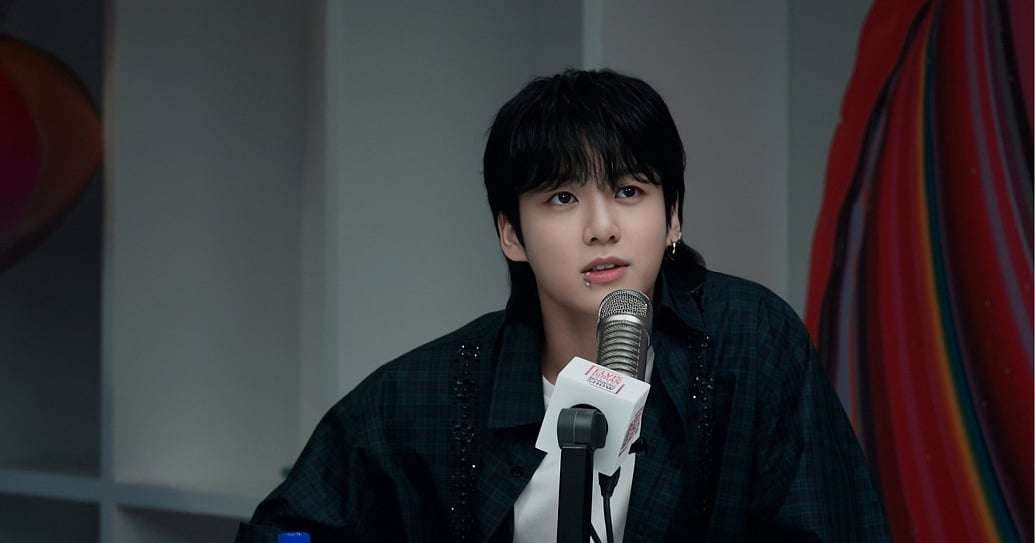
A South Korean court has handed a suspended prison sentence to the infamous BTS Jungkook stalker, who had repeatedly violated the boundaries of his residential property. The case highlights the tightening legal enforcement of the country against celebrity harassment.
Judge Park Ji-won of the Seoul Western District Court sentenced the person, allegedly a fan from Brazil, to one year in prison and two years of suspension, after she was charged with trespassing and violating anti-stalking law. According to The Korea Times, legal sources confirmed that the sentence related to the BTS Jungkook stalker incident was handed down on May 8, 2026.
How Many Times Did She Visit Jungkook's Home?
The ruling draws a sharp legal line between fans and celebrities, acting as a wake-up call for an industry vexed by aggressive fan behavior. According to the court records of the BTS Jungkook home stalking case, the fan targeted the artist's residence in Seoul’s Yongsan District 22 times between Dec 7 and Dec 28, 2025. The individual reportedly had rung the intercom repeatedly, loitered nearby, and left items. Many fans of the artist had been vocal about this breach of privacy online and had asked for strict action against such individuals.
In another incident, the youngest BTS member received a phone call at night while he was live on Weverse. Since no one answered from the other side, fans assumed that it might be a stalker. They also reportedly noted Jungkook’s demeanor changed after the incident, when he said, “Please don’t do prank calls,” on a livestream.
This Brazilian fan had also rung his residency’s doorbell about 133 times in one instance and had also entered his property on Dec 13, 2025, through an outer side gate left open by a food delivery courier. This Jungkook doorbell incident showed what prosecutors described as persistent non-compliance.
After an initial police warning and a 100-meter emergency restraining order, she came back to the property on Jan 4, 2026, to leave photographs and printed materials. As noted by The Korea Times, the court stated that the now arrested Jungkook fan, “continued committing stalking crimes even after being warned and released,” the court stated, and also highlighted that the victim sought strict punishment.
BTS Star Stalker Deportation: Was Jungkook Harmed During the Incidents?
While issuing the Jungkook fan a prison sentence, the court considered many mitigating factors. Judicial findings indicated that the individual only tried to convey personal feelings instead of causing physical harm, and that she did not go inside the house. Having already spent three months in pre-trial detention, the alleged fan may not reoffend as she might face deportation under South Korea’s deportation law once the ruling becomes final.
This high-profile Jungkook stalking case reflects a wider, systemic security challenge faced by artists. Very recently, his band member Jin was also dominating the K-pop news section, as a Japanese fan breached his personal boundary by trying to kiss him, and had objected to the trial dates provided by the South Korean authority. Nevertheless, Jungkook faced another trouble last June 2025, when a separate fan tried to gain access to his property by bypassing his door code. As global fan accessibility reaches new levels, both talent agencies and legal authorities face mounting pressure to ensure the protection of the top-tier entertainment assets from severe privacy breaches.
Author
Diya Mukherjee is a Content Writer at Outlook Respawn with a postgraduate background in media. She has a passion for writing content and is enthusiastic about exploring cultures, literature, global affairs, and pop culture.

Related Articles