K-Pop Registers Global Growth But Creators Earn Less
K-Pop Booms Globally With Creators Earning Almost Nothing
Amidst the global rise of K-Pop, reports reveal Korean artists earning far less than its global peers, depicting gaps in music revenue distribution.

- Industry reports show that artists receive only a fraction of the revenue generated.
- Korean copyright holders get about 10.5% of streaming revenue, much lower than countries like the U.S., U.K., and Germany.
- While K-pop streams have surged globally, low domestic payouts raise concerns over the sustainability of Korea’s music industry.
K-Pop's international popularity has skyrocketed, but South Korea's streaming economics tell a different tale. Many creators continue to receive only a small percentage of the revenue generated by their work, revealing systemic imbalances that might affect Korea's music business in the coming years.
Korea's Ministry of Culture, Sports, and Tourism and other industry sources like The Asia Business Daily say that a single play on a South Korean monthly subscription streaming service produces roughly ₩ 7 Korean won (KRW) in earnings. That equates roughly around $0.005 USD per stream. Platforms deduct about ₩ 2.5 from that ₩ 7 as a service charge, leaving only ₩ 4.5 for rights holders.
How is K-Pop’s Streaming Revenue Divided?
As per the "Regulations on the Collection of Music Transmission Usage Fees," platforms receive 35% of streaming revenue, while rights holders receive 65%. There is further division of that rights-holder portion. Performers receive roughly 6.25%, record producers and distributors receive 48.25%, and copyright holders (songwriters and composers) receive just about 10.5%. To put it simply, singers and musicians receive somewhat more than ₩ 0.4 each stream, while composers and lyricists receive about ₩ 0.7.
Additionally, the dominant "pro-rata" method gives the most popular songs the majority of streaming earnings, leaving mid-tier and upcoming musicians with far less. The amount that truly reaches creators may decrease even more once payment processing, in-app fees, and distribution expenses are taken into consideration.
Comparisons and Disparities in the K-Music Industry
Even while streaming has emerged as the primary method of music consumption, rights organizations and composers contend that, in comparison to significant international markets, the share that actually goes to creators is still smaller than imagined.
An analysis earlier this year commissioned by the Korea Music Copyright Association (KOMCA) discovered that only roughly 10.5% of streaming revenue in Korea is returned to copyright holders. This is less than the 12–16% range which is normally returned in nations like Germany, the United States, and the United Kingdom.
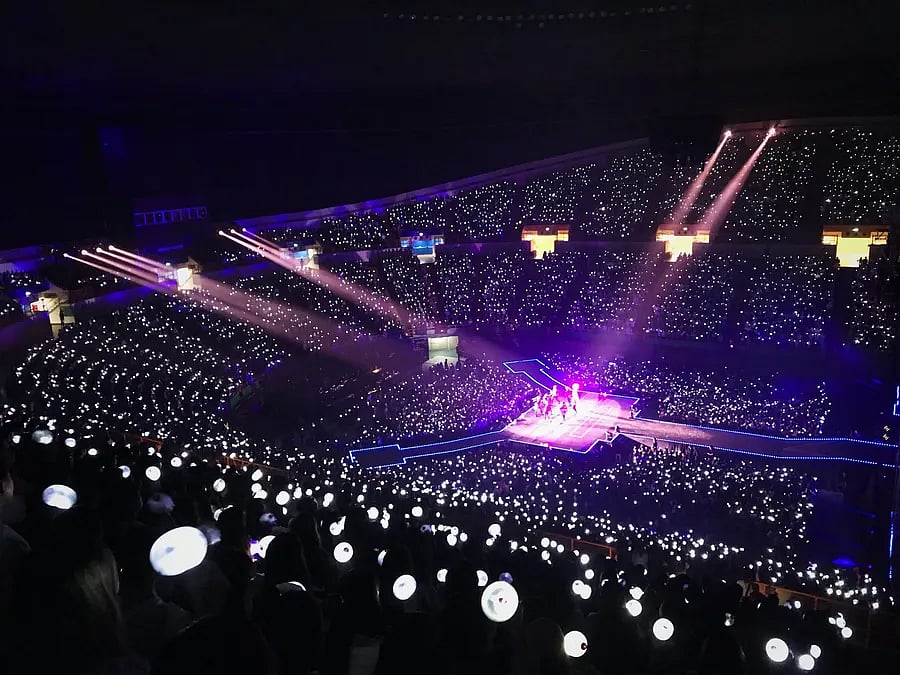
prinz9839
Amid Industry Pressure: Can K-Pop Sustain Its Global Growth?
The current business practices indicate significant disparities in music consumption and monetization across mediums. On terrestrial or cable TV, a single play only brings in ₩ 0.0007. That is increased to roughly ₩ 1.4 per use with video-on-demand. At about ₩ 0.051 per play with OTT platforms paying out the highest.
All of this is happening at a time when interest in Korean music is growing throughout the world. As industry reports noted last year, over the past five years, K-pop streams have allegedly climbed 362% globally on sites like Spotify, with groups like BTS and BLACKPINK regularly receiving billions of plays.
Amidst this, critics caution that the K-Pop industry’s creative foundation is at risk because of the discrepancy between K-Pop's international success and domestic payouts. Industry experts advise that adopting creator-focused remuneration models is necessary to guarantee that artists receive a fair share. Nevertheless, the bigger concern still remains whether Korea's current system can support the talent propelling K-Pop's global surge.

Author
Diya Mukherjee is a Content Writer at Outlook Respawn with a postgraduate background in media. She has a passion for writing content and is enthusiastic about exploring cultures, literature, global affairs, and pop culture.



Related Articles