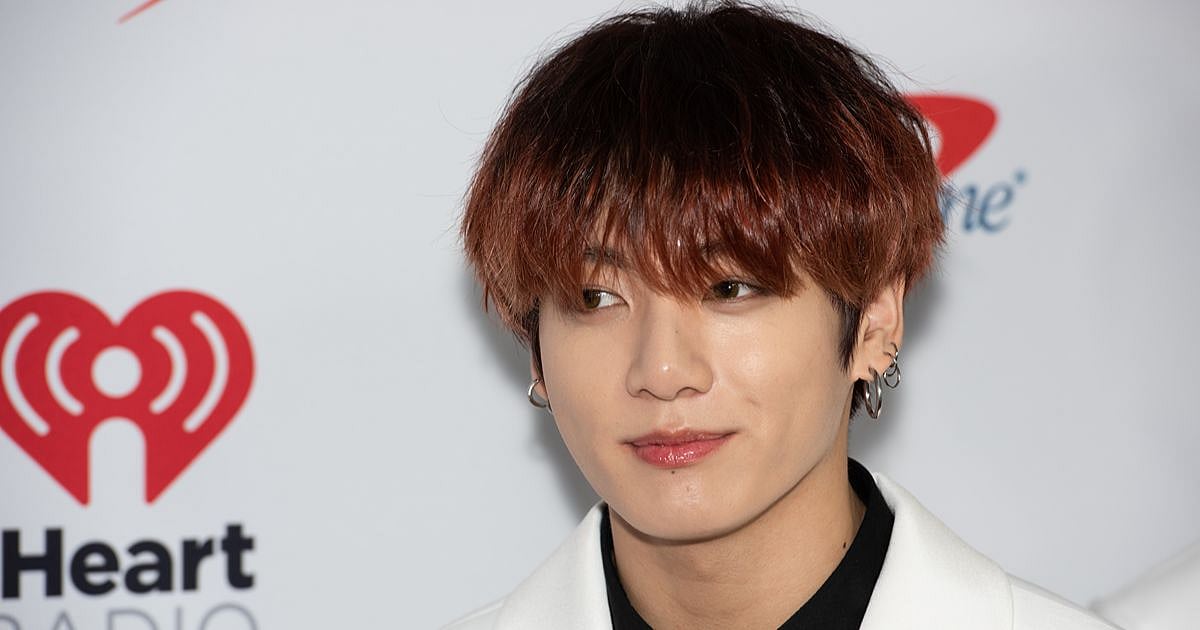
BTS' Jungkook, whose late-night Weverse livestream on Feb. 26 reignited debate over K-pop's mental health toll. (Image: Shutterstock)
BTS Jungkook’s Late-Night Live Exposes K-Pop Mental Health Crisis
A 3:30 a.m. confession from HYBE's biggest act reignites scrutiny of K-pop's fragile ecosystem, even as the industry posts record export numbers.

- Jungkook's unfiltered livestream shattered the "perfect idol" facade, with the BTS member openly expressing frustration over agency control and personal struggles.
- Groups such as NewJeans and BABYMONSTER, which debut members in their mid-teens, have intensified public debate over K-pop's youth-driven recruitment pipeline.
- K-pop album exports hit a record $301.7 million in 2025, but approximately 68% of idols report anxiety or depression, according to the Korean Entertainment Management Association.
The K-pop phenomenon runs on youth. But the industry is now facing a rare crisis of conscience. As debut ages creep toward early adolescence and young idols reach adulthood under public scrutiny, a substantial portion of the global audience has shifted from unconditional support to uncomfortable questioning: when does ambition become exploitation?
The industry's "survival" pipeline recruits trainees as young as 11 for rigorous programs involving body monitoring and constant evaluation. This is not an anomaly. From NewJeans to BABYMONSTER, mid-teen debuts have become standard practice. Yet as these young performers take the stage, the "affective contract," the digital intimacy that binds fans to idols, is fraying under ethical pressure.
How parasocial labor wears down K-pop idols
That bond is psychological, not just commercial. As reported by Direct Message News, platforms like Weverse encourage late-night "intimacy" sessions between idols and fans. A 2021 study published in Frontiers in Psychology found that these parasocial interactions trigger the same cerebral reward pathways as in-person relationships. When the performer is a teenager, the ethics of that digital labor get murky fast. Fans on Reddit and X have grown more vocal against aggressive bulk-buying campaigns and streaming metrics that incentivize agencies to debut younger faces for longer fan investment cycles.
The "perfect idol" exterior is cracking, too. BTS member Jungkook's raw, 3:30 a.m. livestream stunned the global K-pop fandom. He spoke openly about agency constraints, a past smoking habit he had worked hard to quit, and his desire to "just be happy."

"I just want to be happy. I know I can't. How many people can be honest with the world? I wanted to be honest with ARMY, and if it weren't for the company, I would have told everything. I don't even know what I'm talking about. It's frustrating. I'm annoyed. I'll live the way I want."- BTS Jungkook
The unscripted session exposed the tight control at the heart of K-pop's agency model, even as Jungkook later clarified that the agency does not silence him outright, but offers guidance, and asked fans not to direct hostility toward HYBE.
The livestream, now reportedly deleted from social media platforms, has sparked global discussion about the mental toll of hyper-accelerated fame and the crushing weight of industry expectations. Jungkook, who was recently named Hublot's new brand ambassador, remains one of K-pop's most commercially powerful figures even as he publicly wrestles with its costs.
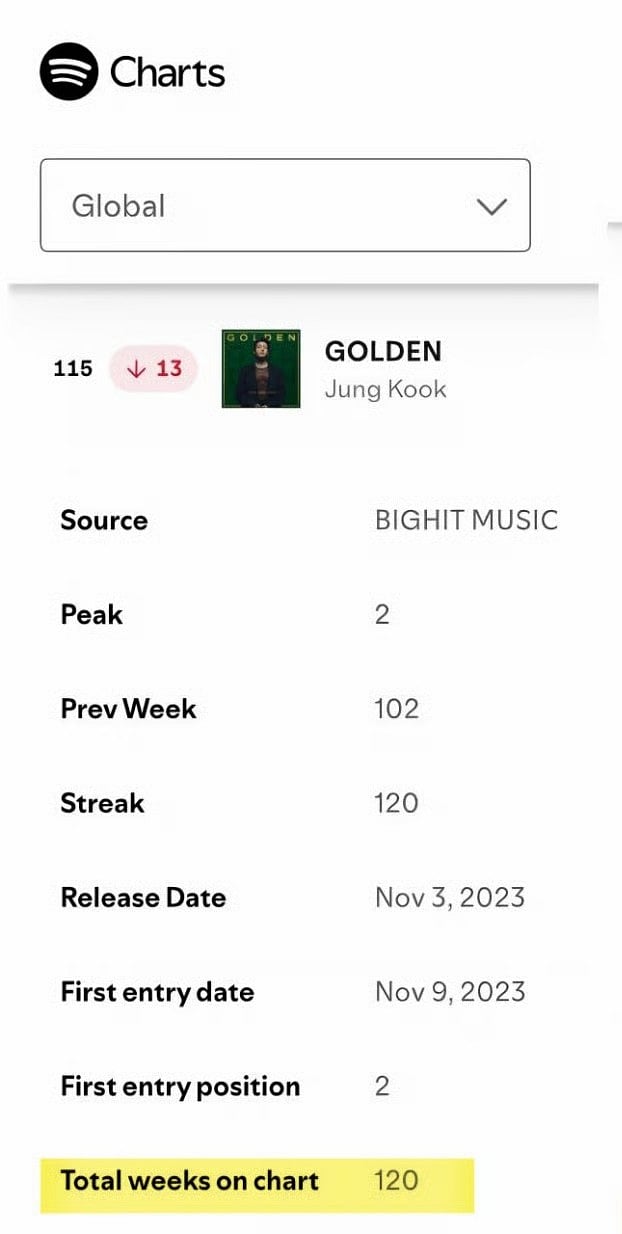
His solo album GOLDEN further underscores that duality. The record became the longest-charting album by an Asian artist on Spotify, spending 120 weeks on the platform's Weekly Top Albums Global chart. In the tracking period between Feb 13 and Feb 19, GOLDEN logged roughly 46 million streams.
Trainee dropout rates and what the data reveals
The numbers tell a pointed story. According to The Korea Times, the trainee population fell 38.3% between 2020 and 2022, despite increased investment in recruitment. A significant driver: 34.4% of trainees now leave voluntarily before reaching a debut stage. For those who stay, daily training runs from 9 a.m. to 10 p.m., all in pursuit of a debut slot that, statistically, fewer than 1% of trainees will secure.
The psychological cost is quantifiable. Research from the Korean Entertainment Management Association found that approximately 68% of K-pop idols experience symptoms of anxiety or depression, a rate far exceeding the 12.5% general depression rate among South Korean adults. A separate 2022 survey by the Korea Creative Content Agency put the figure at a similar 68% for entertainers reporting anxiety or depressive symptoms, with only 13% having sought professional help.
The external environment compounds the problem. Hostile online comments targeting South Korean celebrities have risen sharply in recent years, with agencies increasingly resorting to legal action against defamatory content. Recent high-profile breaks confirm that these pressures map to real human outcomes: KATSEYE's Manon went on hiatus, Izna's Yoon Ji-yoon left the group entirely, and Monsta X's I.M stepped back for health reasons. These are not outliers. They are symptoms.
Record exports, rising strain: K-pop's sustainability gap
The money keeps flowing. Overseas album exports hit a record $301.7 million in 2025, even as domestic sales declined. HYBE, the parent company behind BTS, posted annual revenues of $1.86 billion. The talent pipeline is younger and more global than ever.
But for the first time, the industry's consumer base is not satisfied with simply cheering. A growing segment of K-pop's global audience is asking a question that the business model was never designed to answer: what happens to the young people under the stage lights after the music stops?

Author
Diya Mukherjee is a Content Writer at Outlook Respawn with a postgraduate background in media. She has a passion for writing content and is enthusiastic about exploring cultures, literature, global affairs, and pop culture.



Related Articles