




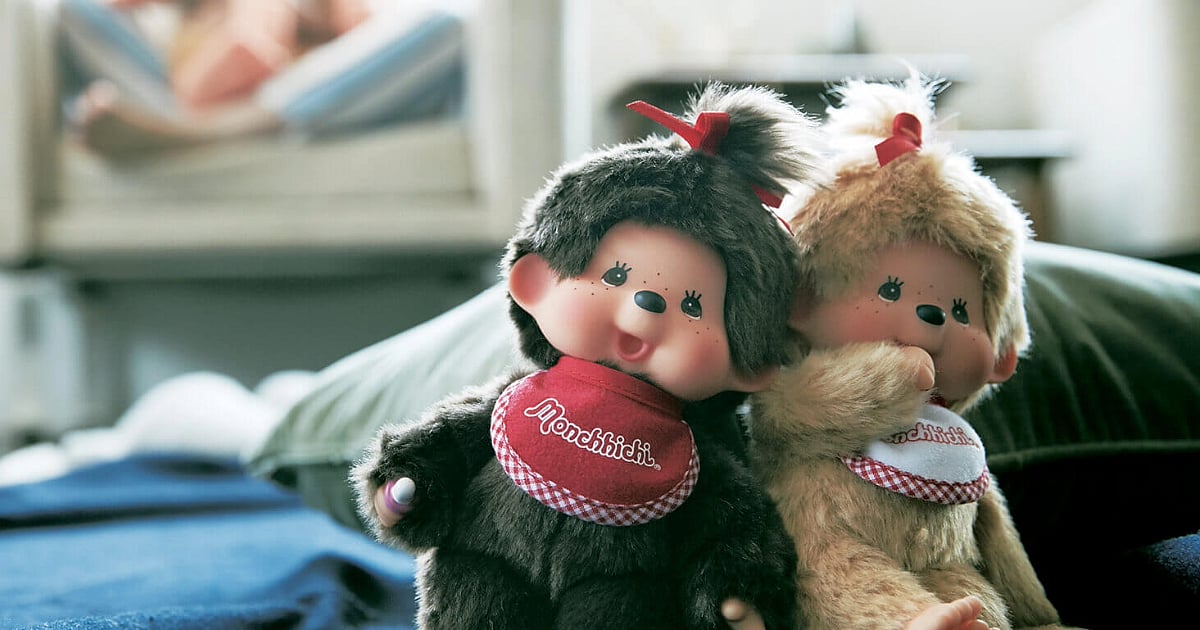
Monchhichi plush surges in popularity amid Labubu craze.
Monchhichi’s Global Comeback Rides Labubu Boom
Childhood favorite plush toy Monchhichi is riding on the Labubu craze, with sales forecasted to reach ¥3.8B for the present FY.

- Monchhichi’s sales have surged after being repositioned for adult collectors.
- Celebrity-driven popularity in Asia has reignited global demand for the brand.
- Sekiguchi is expanding overseas cautiously to avoid overreliance on a trend.
Monchhichi, a 1970s and 1980s toy culture leader, has seen its sales nearly double in the fiscal year ending in February 2025. The plush-bodied monkey-faced toy's demand is boosted by Asia and the global surge in collectible and designer toys, such as Pop Mart's Labubu.
Monchhichi's global sales reached ¥700 million (~ $4.5M USD) in the fiscal year ending in February 2024, but exploded to ¥2 billion (~$12.9M) in the following year. Sales for the current fiscal year are projected to almost double to ¥3.8B (~$24.4M).
Monchhichi: From Children’s Toy to Adult Lifestyle Icon
Monchhichi’s Tokyo-based maker, Sekiguchi, claims the resurgence indicates a strategic shift toward adult buyers, depicting Monchhichi as a lifestyle character instead of a children's toy. The pivot has also been reinforced by increased retail positioning at U.S. stores such as Urban Outfitters and Barnes & Noble.
The brand's history began in 1974, when Japan's Sekiguchi Corporation produced Monchhichi as a new toy based on its previous Kuta Kuta Monkey plush. The dolls quickly gained popularity beyond Japan. After Monchhichi’s debut at a German toy expo, Austria was the first European country to place orders.
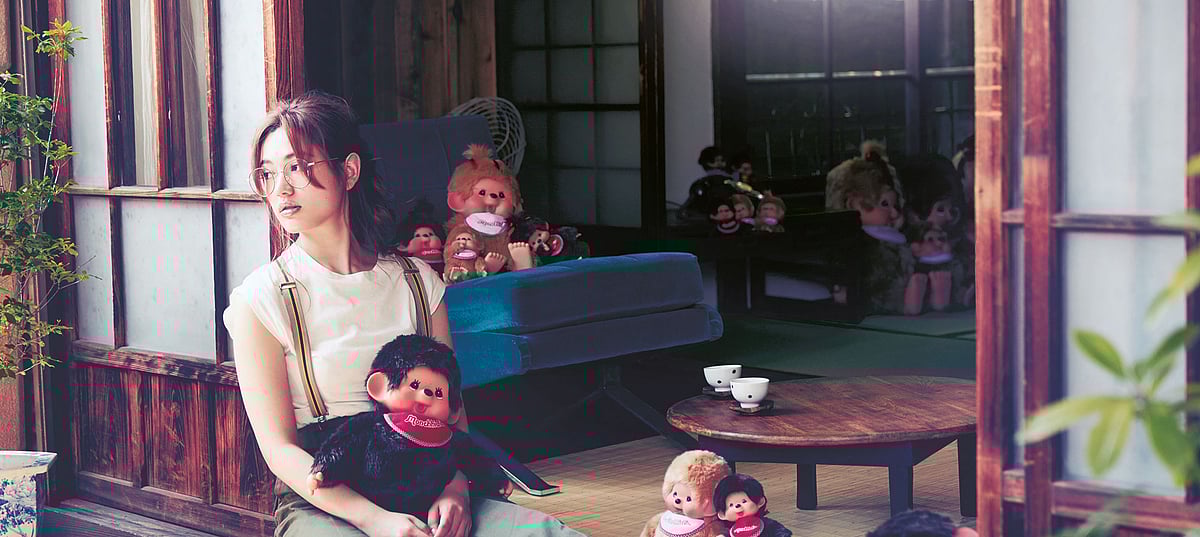
Monchhichi
The toy’s popularity then spread into other German-speaking areas, and later, France joined the craze as well. In the U.S., Mattel licensed them until the early 1980s, after which sales in these early markets declined. It was so popular that several animated programs based on the characters were also developed, including a Hanna-Barbera cartoon in 1983.
In the mid-2000s, Sekiguchi regained its foothold in China, where its popularity again grew as Monchhichi was "married" as a marketing tactic, with a real wedding ceremony and celebration conducted at a hotel. Ten months later, twins named "Bebichhichi" were “born.” This “expanded family,” as Nikkei Asia reports, has been beneficial in sustaining the toy and its revenue in China.
Monchhichi recently saw major popularity gains in Thailand, due to social media exposure by Thai actor Araya "Chompoo" Hargate. In South Korea, the doll's popularity grew in 2025 as a result of pop-up stores and celebrity endorsements, while sales in the U.S. soared as part of a greater embrace of Japanese culture and fashion-oriented plush items.
Expo Tie-ups Fuel Overseas Growth as Sekiguchi Scales Cautiously
Sekiguchi's success has also been boosted by the manufacturing of Myaku-Myaku, the official mascot of the recent Osaka Expo. The company anticipates overall sales to reach a new high due to this newfound popularity.
According to Sekiguchi, overseas markets, especially Southeast Asian countries such as the Philippines, Singapore, and Indonesia, as well as Australia and the Middle East, are now accounting for a rising share of sales. Therefore, the company noted its requirement of expanding their production capacity and licensing agreements. Despite supply constraints, the company intends to pursue long-term growth to avoid overextending on a trend that may ebb as soon as it rose.

Author
Diya Mukherjee is a Content Writer at Outlook Respawn with a postgraduate background in media. She has a passion for writing content and is enthusiastic about exploring cultures, literature, global affairs, and pop culture.