



Highlights
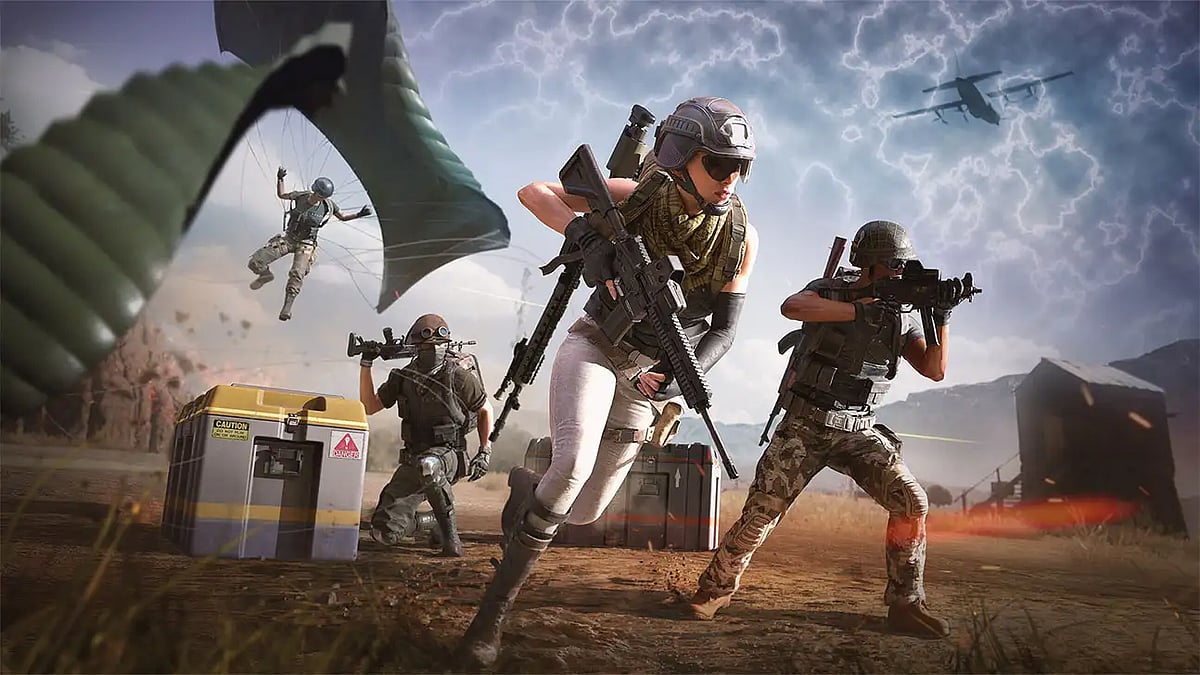
- Krafton launched a revenue-sharing program where 25% of sales from team-branded PUBG cosmetic items go directly to five partner esports organizations, providing crucial alternative income beyond tournament winnings.
- The revenue-sharing model addresses financial pressures in esports by creating direct fan-to-team income beyond tournament winnings.
- The program includes 10 elite teams with guaranteed tournament slots, with major competitions scheduled for October and December.
Highlights
Under the arrangement, 25 percent of net sales from these virtual items will go directly to the partner teams, creating what industry observers see as a crucial alternative revenue stream for organizations that have traditionally relied heavily on tournament winnings and sponsorship deals.
The move comes as the esports industry faces what some have termed an "esports winter," with venture capital investment declining and several high-profile organizations shutting down or scaling back operations due to financial pressures.
"Our goal is to build a future for PUBG Esports where our partner teams are not just competitors but true business collaborators," a Krafton spokesperson said in a statement.
A Model for Industry Sustainability
The Global Partner Team Program encompasses 10 elite squads total, offering participants guaranteed slots in premier competitions including the PUBG Global Series and the Esports World Cup. Twisted Minds, one of the featured teams, recently claimed the championship at the Esports World Cup, earning $661,000 in prize money.
Industry analysts view revenue-sharing models like Krafton's as potentially significant for the long-term sustainability of professional gaming. Traditional esports economics have proven challenging, with teams often struggling to generate consistent profits despite growing viewership numbers.
The cosmetic items serve a dual purpose: they allow fans to show support for their favorite teams while playing the game, and they create a direct financial connection between fan engagement and team revenue.
Krafton plans to release items for the remaining five partner teams, which include Gen.G, Petrichor Road, Team Falcons, The Expendables and 17Gaming, later this year.
The next major PUBG tournament, the PUBG Global Series 9, is scheduled for October with a $300,000 prize pool, followed by the PUBG Global Championship in December, where the 2025 world champions will be determined.
PUBG, originally developed by Krafton subsidiary PUBG Studios, has maintained a significant presence in the competitive gaming scene since its 2017 launch, with professional leagues operating across multiple regions globally.