



Highlights
- FIFA Super Soccer becomes a FIFA World Cup 2026 hub with all 48 teams, rewards, and live standings.
- The event expands across six Roblox games to boost fan engagement during the tournament.
- New Roblox data shows digital sports experiences are driving stronger real-world football interest.
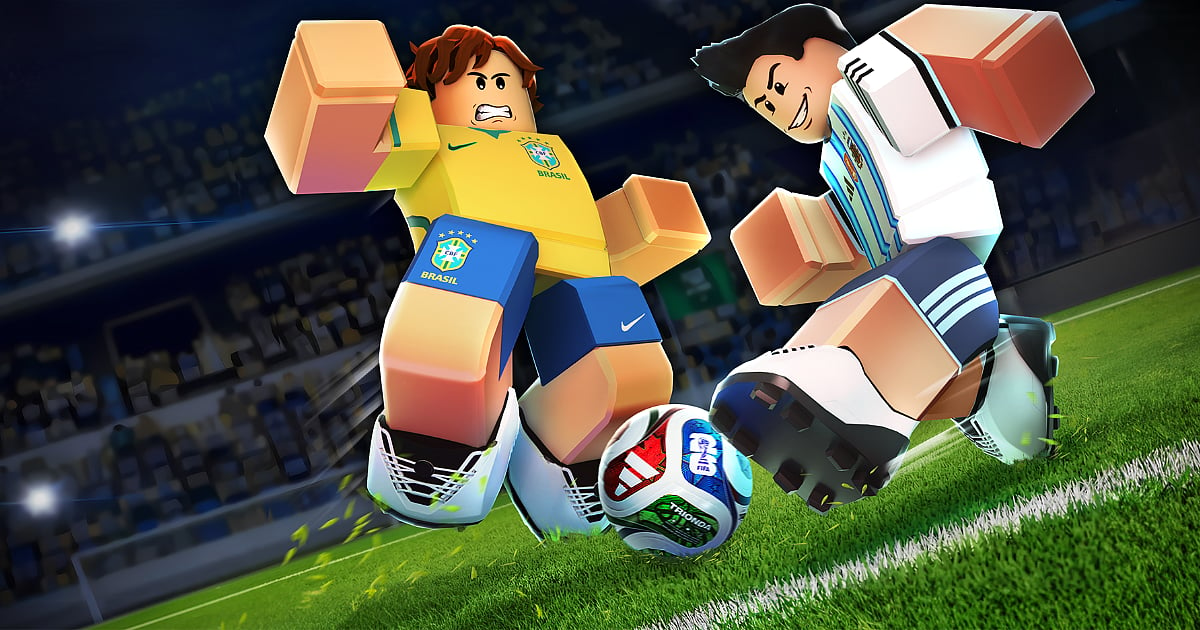
FIFA is turning Roblox into a major digital destination for the FIFA World Cup 2026, using the platform to widen its audience beyond traditional viewers. FIFA Super Soccer, FIFA’s official Roblox experience, is being transformed into a World Cup event hub for the 2026 tournament. The update will feature all 48 national teams, a dedicated stadium, gameplay quests, exclusive rewards, and live standings tied to real-world matches.
The event will also extend across five additional Roblox games, creating a six-game crossover designed to keep fans connected to the tournament while playing across the platform.
FIFA World Cup 2026 on Roblox Reflects Growing Digital Football Fandom
FIFA Super Soccer has recorded more than 1.1B visits and averages 1.5M daily gameplay sessions. The title has also hosted activations with adidas, U.S. Soccer, CBF (Brazil), and Borussia Dortmund. More partnerships are planned.
The launch coincides with Roblox and Ipsos releasing new sports engagement data in the Sports as Shared Self-Expression Report, which shows how digital experiences are influencing real-world fandom. Roblox sports experiences generated around 1.1B hours of gameplay and about 5.6B visits in the second half of 2025, marking a 154% year-over-year (YoY) increase.
Roblox
The report found 61% of users claimed that engaging with sports on Roblox makes them more likely to watch those sports in real life. Another 68% said their real-world sports interest drives them to Roblox sports content, while 58% stated that they discovered new sports on the platform and later followed the same outside of it.
For FIFA specifically, 68.2% of FIFA Super Soccer players indicated that they “definitely” or “probably” will watch the World Cup.
At the same time, nearly one in three players may not follow the tournament traditionally, pointing to a new digital-first audience. Among committed viewers, 74.7% also plan to keep playing during the tournament, showing how football fandom is increasingly split between watching and participating.