




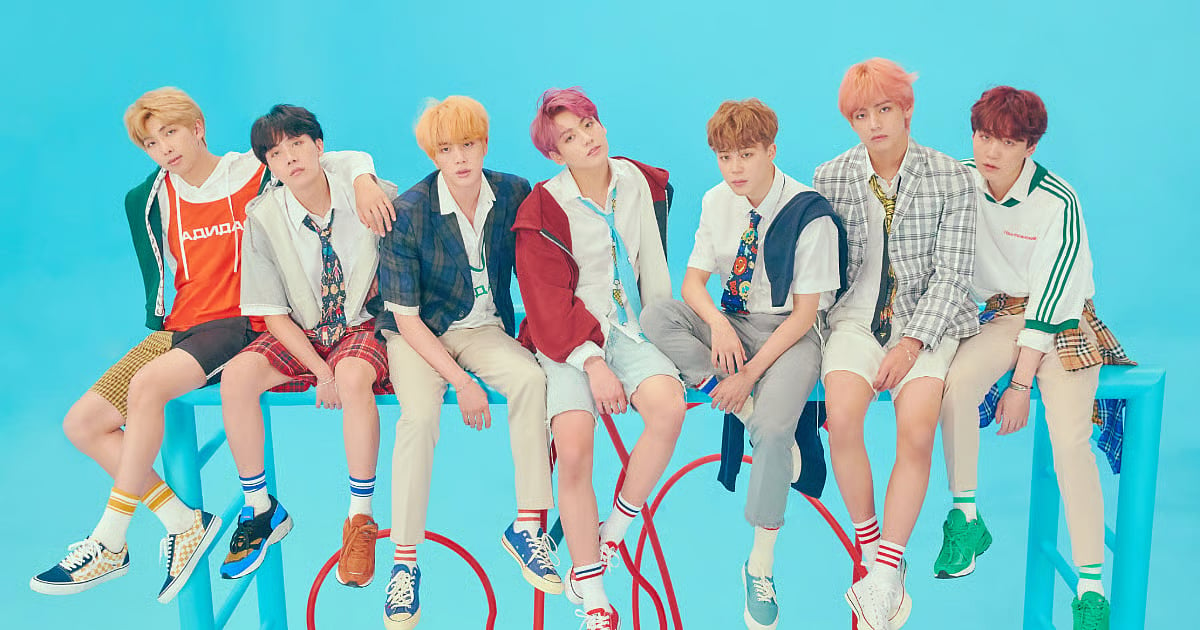
- According to a survey of 69 countries, 93% of international BTS fans have studied Korean, with more than 50% of them trying to achieve TOPIK Level 4.
- The Bank of Korea anticipates that BTS-linked exports produce approximately $5 billion USD each year.
- In 2025, South Korea's official language education network recorded 239,000 students trying to learn Korean.
According to a recent survey of 69 nations conducted by the Multicultural Convergence Research Institute, over 93% of overseas BTS fans have learned Korean. Most learners remain at the beginner level, with more than half (54%) striving for TOPIK 4 (high-intermediate), but only 3% have attained it, revealing a mismatch between motivation and competency. Only 7.8% of students attended in-person lectures, while the majority studied using apps, online videos, and K-pop-related content, highlighting convenience and the scope of the digital media sector.
Love for BTS Boosts Korean Language Fluency
Researchers emphasized the need for a systematic, consistent education mixed with relevant content, such as BTS lyrics, interviews, and performance footage, to maintain learning momentum and assist hobbyist learners in advancing to higher levels. With a BTS album and world tour beginning in Seoul in late March, fans are anticipated to revitalize their interest in Korean studies as they prepare to connect more intimately with the group and the language.
This spike in linguistic interest is part of a larger global growth of Korean culture ("Hallyu"). According to Asia Business Daily, BTS and associated cultural exports bring approximately $5 billion USD to the national economy each year through tourism, cultural involvement, and related spending. Additionally, a report released by the Hyundai Research Institute in late 2018 estimated BTS's annual economic value to be exceeding ₩ 4 trillion (~$2.72B), which is equivalent to the value generated by 26 mid-sized companies. Also at the same time, the Korea Tourism Organization reported that over 42% of international visitors in early 2025 mentioned K-content as their primary reason for travel. The numbers are up by 32% since 2023, demonstrating the economic significance of K-pop tourism ahead of BTS' tour and album launch.
K-pop’s Soft Power in Practice
Institutional responses to increased Korean-learning interest are also visible. According to Star News Korea, the King Sejong Institute, South Korea's official language education network, registered 239,000 students in 2025, up about 28,000 over the previous year, with approximately 110,000 people signing up for online programs. This represents the global expansion and formalization of Korean language instruction. Cultural programming and curriculum satisfaction have also reached new highs, highlighting the link between K-pop-driven enthusiasm and disciplined learning.
Taken together, these findings indicate that BTS' impact extends past music to linguistic engagement and soft power spread. Notably, their popularity is transforming how worldwide audiences interact with Korean culture and, potentially, how Korean language education evolves in the upcoming few years.