




Highlights
- K-pop’s luxury influence is moving from front-row visibility to deeper brand partnerships, where idols are getting involved in the creative process.
- From Jungkook to Rosé and G-Dragon, celebrity collabs are testing whether fandom power can translate into lasting product demand.
- Luxury houses are growing beyond social media buzz, looking for cultural figures who can turn influence into consumer ownership.
A celebrity appearance at a fashion show, a campaign image shared millions of times on social media, or a front-row moment could boost a brand's cultural relevance overnight. The formula for the fashion industry was simple: link a global star to a luxury house, generate attention and push that attention into desirability.
But, as K-pop's influence grows worldwide, its relationship with luxury fashion is simultaneously growing beyond usual celebrity endorsement. Luxury houses were drawn to the K-pop stars' ability to create highly engaged global communities that not only engaged with the artists’ music, but also followed them for their fashion choices and cultural influence.
However, as nearly every major luxury house began battling for the same pool of Korean talent, visibility alone became harder to differentiate. And therefore, the next chapter of the partnership is moving beyond campaigns, with brands progressively exploring how K-pop stars can become collaborators and creators whose identities, creativity and cultural relevance are deeply embedded into the products themselves.
Nevertheless, the pivot does not mean ambassadors are becoming less important. Rather, the role of the ambassador is growing, from a face representing a brand to a cultural force that can produce demand.
BLACKPINK’s Jisoo is a great example that showcases why luxury houses consistently invest heavily in K-pop collaborations. Market tracking organization Left ranked Jisoo as one of the top luxury fashion influencers of 2024, estimating her to be generating $227 million USD in earned media value (EMV) during that time.
Interestingly, during Dior’s Autumn/Winter 2024 season, Vogue Business reported that the BLACKPINK member’s activity around the show generated $11.8M in EMV, recording 26% of Dior’s cumulative EMV at the time.
Such numbers explain why luxury houses persistently invest in K-pop partnerships: idols can churn cultural visibility and attention at a scale that common advertising methods often struggle to replicate.
Yet, attention is only the first stage. The larger question for luxury brands is whether fandom is willing to make tangible purchases, apart from just watching and sharing their idol’s endorsements on social media. That is where these collaborations become strategically unique from traditional ambassador campaigns.
CKJK: From Representing Calvin Klein to Shaping It
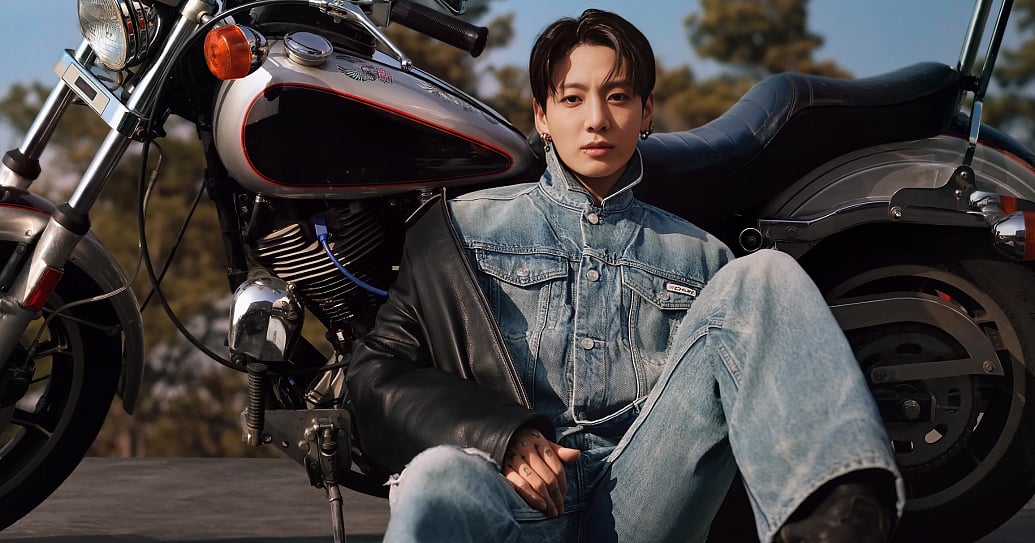
BTS member Jungkook's partnership with Calvin Klein is another clear example of this transition. Notably, the Jungkook for Calvin Klein capsule was bigger than a standard ambassador campaign, as it incorporated his personal style into the product itself, thus reimagining the brand's core silhouettes via the BTS member’s perspective.
Calvin Klein’s parent company PVH later reportedly described this limited-edition collection as one of the most successful collaborations to date in company history. According to the brand, Jungkook’s involvement in the creative direction and design process of the products prompted rapid sell-through, while generating global demand. Similarly, the collection achieved near-complete sell-through on Tmall in China, while capsule styles sold out across North America and Europe e-commerce channels.
The distinction between endorsement and collaboration is visible in this model. While ambassador campaigns link celebrities with brand identity, co-created products provide consumers a physical object connected directly to an artist’s persona. For fandom-driven markets like K-pop, that difference converts attention and engagement into ownership, making it a cultural moment.
Rosé x Tiffany: When Luxury Products Become Fan Objects
The same trajectory is visible in the high-end jewelry market as well. BLACKPINK's Rosé became part of Tiffany & Co.'s product strategy via the Tiffany Lock Rosé Edition, a capsule collection inspired by the artist's relationship with the house. The collection transformed an ambassador relationship into a dedicated product offering, showcasing how luxury houses are experimenting with artist-associated pieces that layer heritage value with cultural meaning.
This matters as jewelry operates quite differently from apparel or footwear items. Unlike apparel or footwear collaborations, where product scarcity and streetwear culture often push demand, fine jewelry relies on symbolism and emotional association. By using such an approach, Tiffany is not just promoting the product; instead, it is generating long-term trust for it.
G-Dragon x Nike: From Collaboration to Cultural Ecosystem
G-Dragon's collab with Nike through his PEACEMINUSONE label depicts how celebrity-led products can breathe life beyond the original launch. The Nike Air Force 1 Para-Noise collaboration was not just a celebrity-branded sneaker. It blended Nike's global product identity with G-Dragon's creative universe, including PEACEMINUSONE design elements.
The collection’s limited supply and strong demand reportedly pushed the sneakers into secondary markets, where resale platforms commanded a premium over the actual retail price. Thus, G-Dragon x Nike emphasized how products created with cultural figures can become premium collectibles. The partnership showed how celebrity partnerships can grow into collectible ecosystems, where community influence, scarcity fears, and cultural relevance expand a product's symbolic value beyond its first release.
The Challenge: Measuring Influence Beyond the Moment
Despite major public reactions, it is unclear how much these celebrity collaborations bring in long-term sales. Luxury brands often shy away from sharing product-level performance, which makes it difficult for external observers to judge viral fashion moments. Collaborations, however, have offered better market feedback.
Limited-edition capsules and co-created products' performances can be tracked and evaluated through indicators like sell-through rates, waiting lists, inventory turnover, and, in some cases, secondary-market activity. These metrics provide a fuller perspective of consumer demand than media impact or social engagement alone.
All in all, the future of K-pop's luxury partnerships is not about replacing ambassadors, but rather about expanding their role. As brands look beyond visibility, idols are progressively becoming collaborators who are shaping products as well as campaigns. For luxury houses, the most valuable partners may not simply be those who bring in attention, but those who can convert cultural influence into products that consumers actively seek out, something that is essential to own in contemporary times.