



Highlights
- South Korea's fashion industry recovery is being bolstered by a dramatic shift in how consumers discover and buy clothing.
- Domestic designer labels are silently challenging the dominance of European luxury in South Korea's retail landscape.
- AI-driven curation and lifestyle expansion are redefining the next phase of South Korean fashion commerce.
South Korea’s fashion industry is currently experiencing a decisive recovery, however, the architecture of this rebound depicts a radical shift in consumer behavior. Instead of rallying around a singular trend, like the mass-market adoption of long padded winter jackets that dominated previous cycles, people, especially women, are channeling capital into highly segmented, domestic indie designer brands.
According to data from the Korea Statistical Information Service, online fashion and apparel transactions jumped 8.5% year-on-year to ₩2.06 trillion (~ $1.4 billion USD), boosting total online shopping transactions to a record ₩24.13T (~ $16B). Industry analysts say that the improvement has occurred due to stabilizing consumer sentiment and a baseline effect from last year’s slow retail performance.
Korean Fashion Platforms Challenge European Luxury Retail
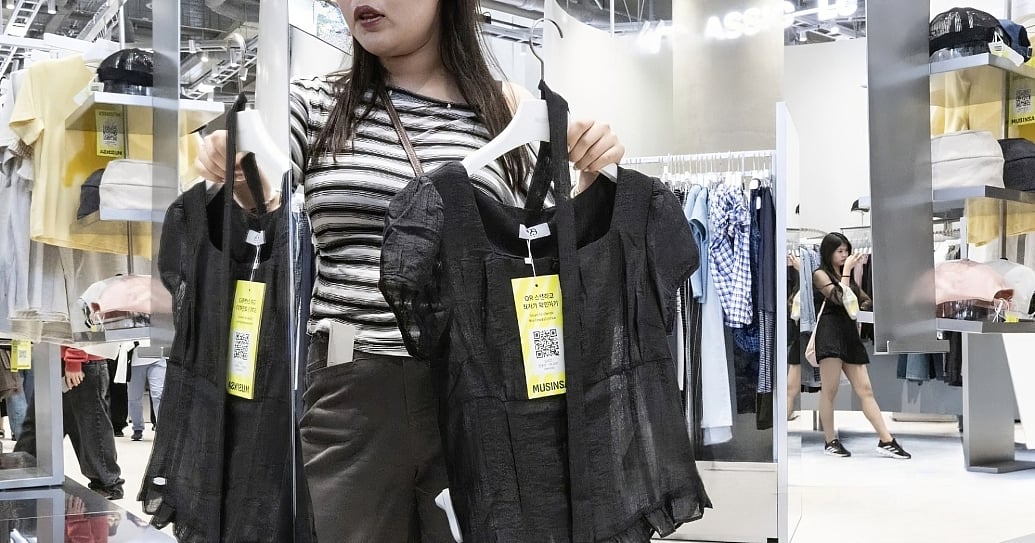
The primary beneficiaries of this shift are the select digital networks like the Musinsa-operated platform 29CM and Shinsegae-owned W Concept. According to an industry official speaking to The Korea Herald, securing key luxury brands has usually been the defining competitive edge for legacy Korean department stores bringing in over ₩1T (~ $655M) in annual sales. However, modern Korean fashion platforms are fully disrupting this norm. Rather than being dependent on legacy European luxury houses, these digital platforms are producing comparable, massive transaction volumes by building their entire business model around local talent and homegrown designer brands.
29CM, which aims for women in their mid-20s to late 30s, reported a 33% year-on-year surge in first-quarter transactions, with its flagship "29 Week" event producing about ₩18.9 billion (~ $16M) within its first 24 hours, with over 300,000 items being sold. On the other hand, during the W Week event from May 31 to June 7, sales of sleeveless tops climbed 20% on-year, summer shoes 80%, and vacation items such as suitcases and swimwear 15%, showcasing that the domestic labels could also produce and sell at the level of the European ones.
The Evolution of the New Fashion Curation in South Korea
To institutionalize this growth, many well-known market players like Samsung C&T’s fashion division, FnC Kolon Corp., and Shinsegae International are moving towards lifestyle diversification. By emulating the lifestyle expansion models of Western retailers like Anthropologie, Korean platforms are also deploying their own designer sensibilities into homeware, beauty, and children's apparel.
The strategy is already taking shape offline as demonstrated by 29CM, which has established permanent physical stores like "29 Home" and "29 Kids" in Seoul's influential Seongsu-dong district to bring in the digital crowd into the on-site locations. Additionally, powered by AI-driven recommendation engines and human merchandising, the market is slowly looking away from supply-driven volume towards discovery-led ecosystems, where curated experiences are becoming a key competitive advantage in the East Asian retail sector.