




K-culture boosts growth in Seoul’s luxury and content economy
K-Culture’s Rise Faces Gaps as Luxury & Content Sector Surges
Luxury brands crowd Seoul as South Korea tries to balance a $109B cultural exports with foundational gaps in legacy and emerging sectors, as stakeholders aim to balance K-culture growth.

- Boosted by global K-culture influence, South Korea’s content industry is now a $109 billion powerhouse, led by music exports as certain legacy sectors decline.
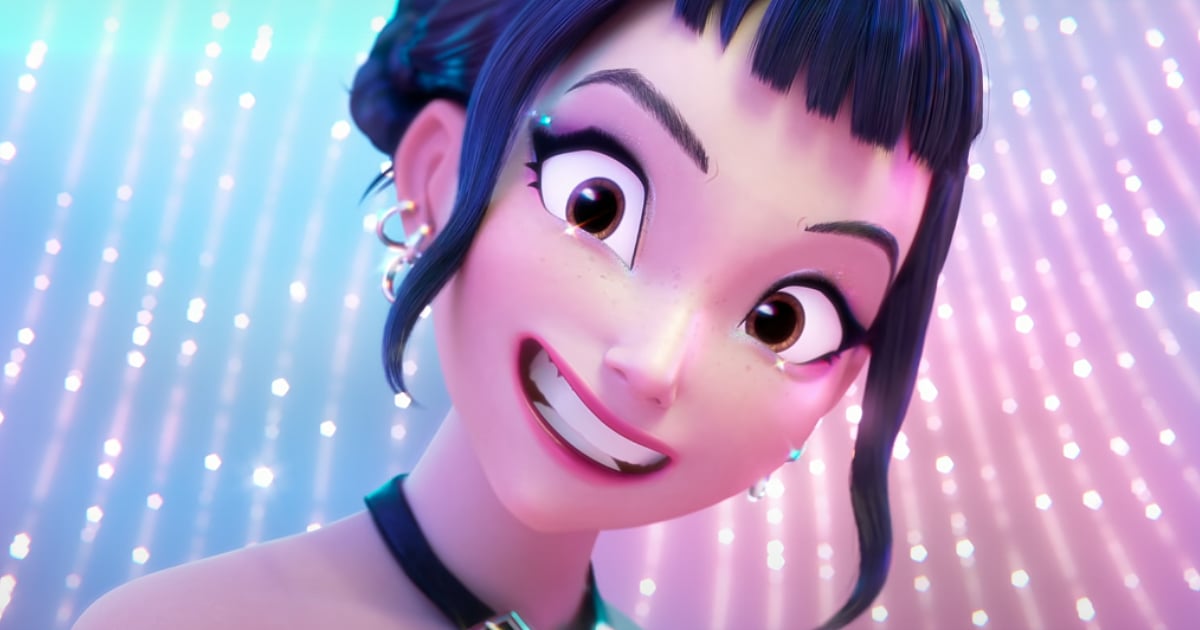
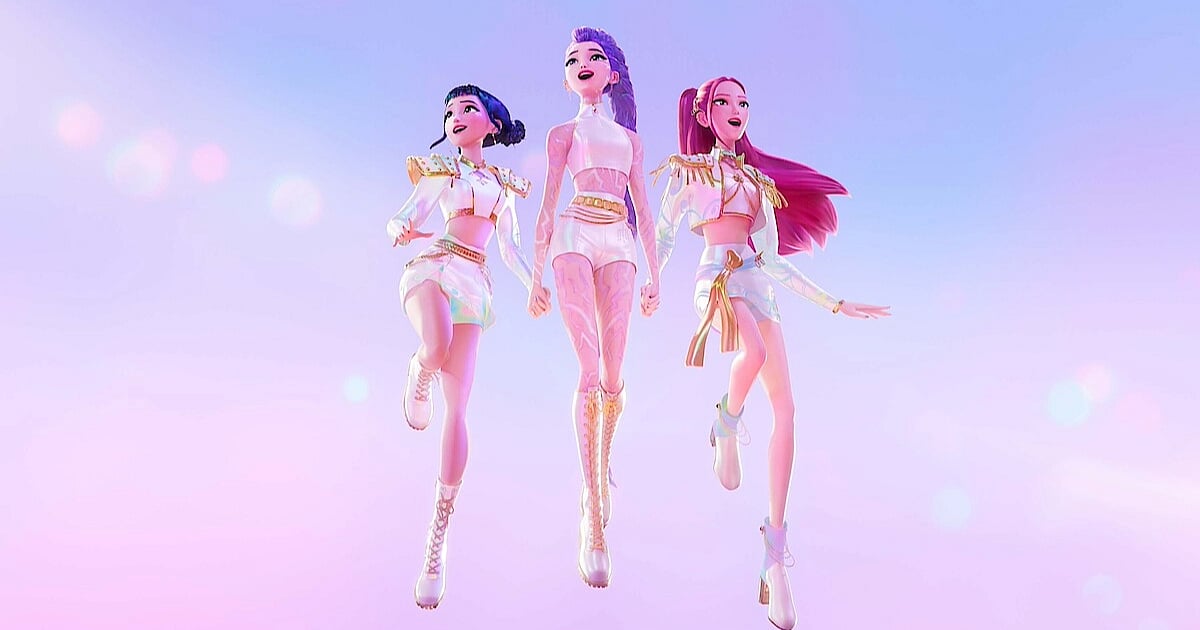
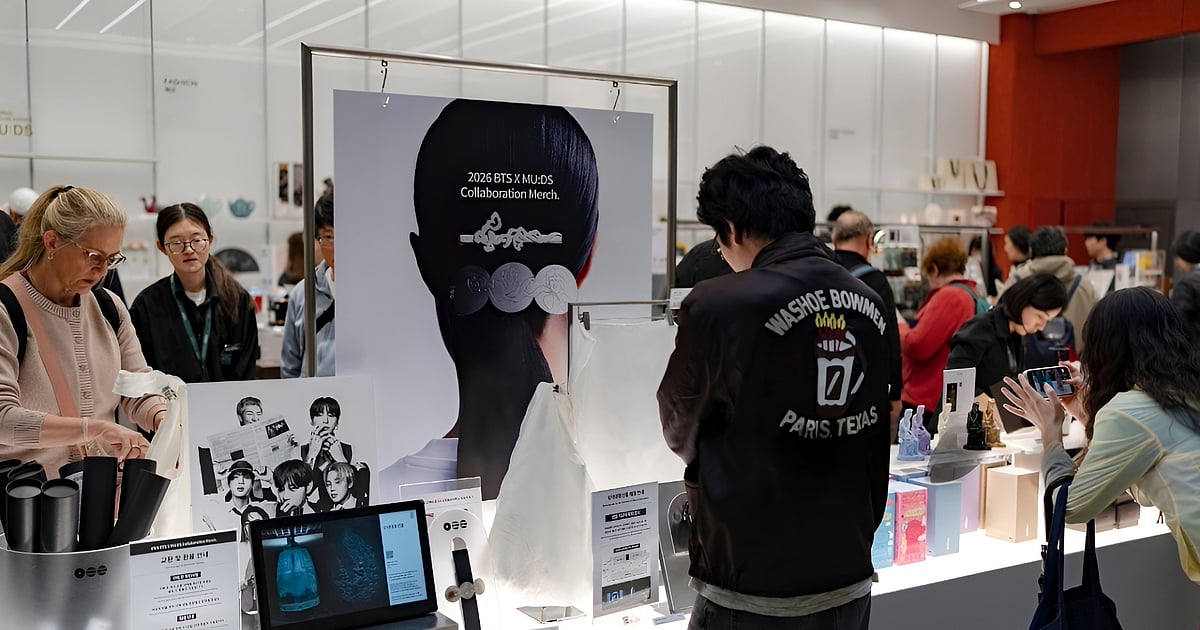
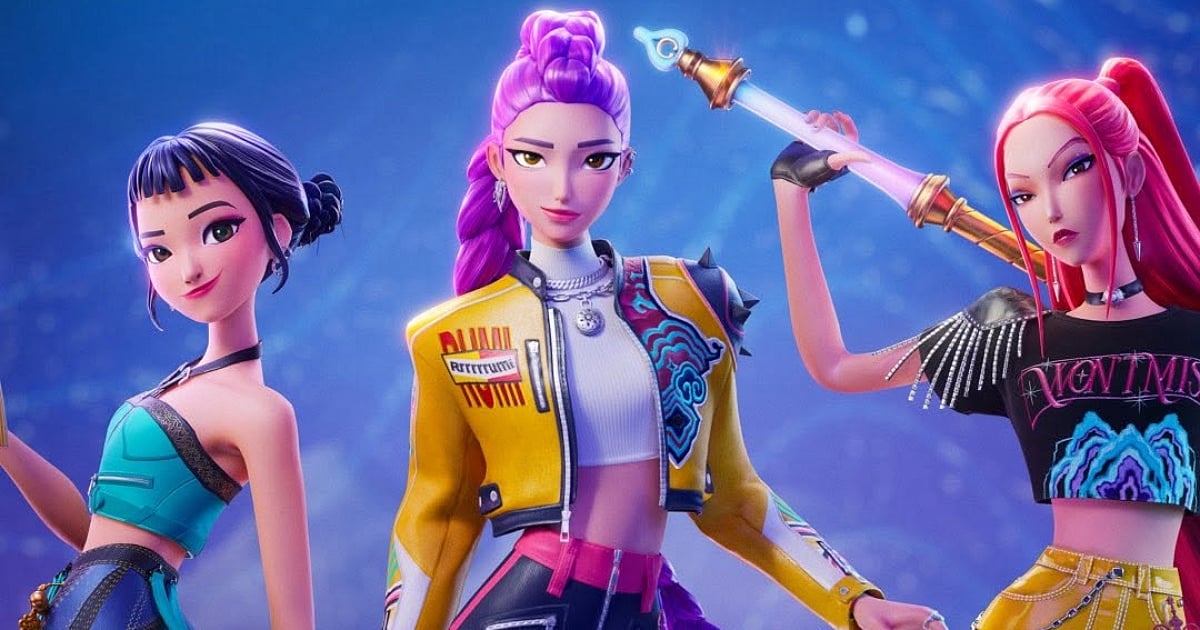
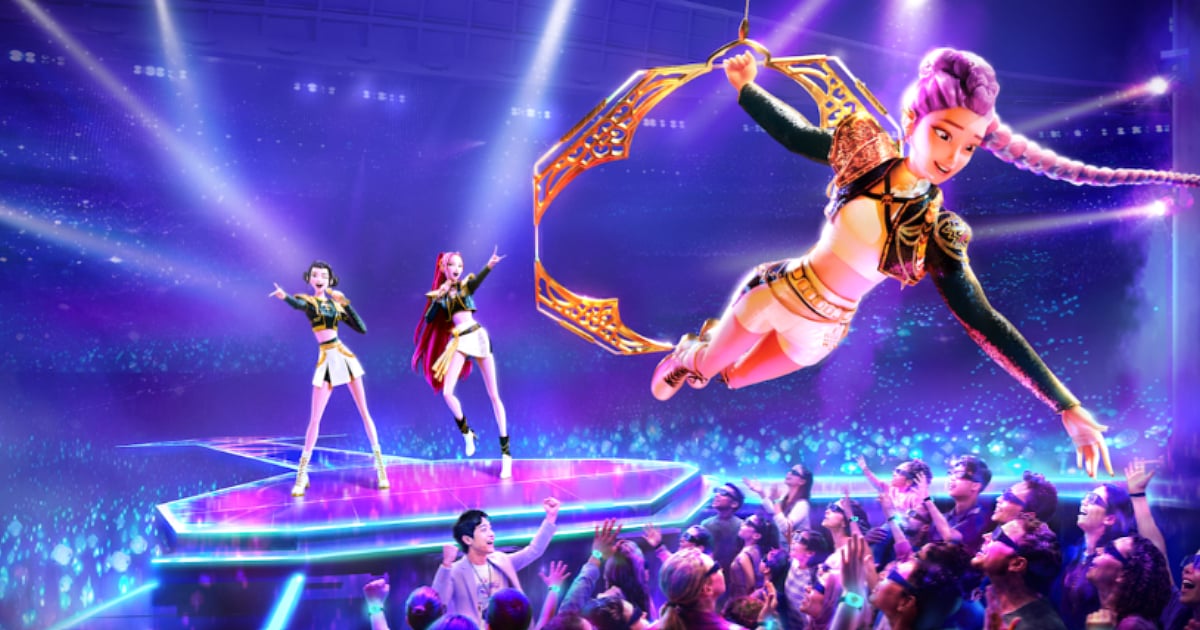
- Amidst this, Seoul is rising as a luxury hub, with Bottega Veneta and Chanel tapping into KPop Demon Hunters and BTS-driven K-culture.
- Industry stakeholders and policy makers aim to sustain K-culture in the face of uneven sector growth via reforms and newer policies.
South Korea’s content industry has surpassed its status of being a mere cultural export; it has now matured into a ₩161.48 trillion (~ $109 billion USD) economic engine which now commands the dynamic of global luxury and domestic policy. In spite of a slowed down global climate, the Korea Creative Content Agency (KOCCA) confirmed that total exports rose by 5.9% to $14.91B in 2025, while domestic sales surged by 2.6%. The study tracked 11 genres, trying to read the market depth, which tell a more layered story through the numbers depicted.
Amidst these 11 genres, as cited by Seoul Economic Daily noted that the music sector stood out. It posted a 15.8% domestic growth as key agencies rapidly expanded alongside the recovering concert market. Notably, music logged a 32.4% share of total exports owing to K-pop's overseas tour circuit. The film industry followed with 19.8% of exports, boosted by strong performances from anticipated titles. Meanwhile, conventional sectors, like advertising (-1.7%), broadcasting (-1.3%), and publishing (-1.2%), all shrank under persistent economic pressure.
Yet on the positive side, the character industry accounted for 12.8% of exports, as global appetite for Korean intellectual property grew. Interestingly, comics, an aligned segment of the character industry, grew 7.4% at home, compounded by the popularity of webtoon platforms and the sector’s improved corporate earnings. The animation sector also earned 6.8% of domestic growth based on strong theatrical results, while the knowledge information category climbed by 7.8%.
K-culture Bolsters Seoul to be the New Stage of Global Luxury
Global luxury brands, however, are not reading this fine print of volatility as seen in the content industry, they are betting on the macro signal. This means that high-fashion titans are seeking to capitalize on the broader K-culture, turning Seoul, the capital city of South Korea, into a strategic “small global stage.”
K-culture has evolved into an indispensable catalyst for international brand expansion, offering open access to the youth market, the primary consumers. High-profile media landmark events like the success of Netflix’s KPop Demon Hunters, or the global popularity of BTS, whose Gwanghwamun concert pulled about 19,170 foreign nationals (as reported by Korea Times), bolstered Seoul to new heights.
The city's cultural gravity has grown so much that now global fashion houses and event organizers are prioritizing it more than the established hubs in the West. Owing further to the global economic outlook and current geopolitical instability, Seoul has proved that the culture it created is no longer just a trend to observe; rather it has become a strategic imperative for many known brands to cement their prestige on the world stage.
As reported by The Chosun Daily, the city is set to become a high-stakes battleground for European luxury. In May, Bottega Veneta is set to kick off the month by sponsoring the Leeum Museum’s Into Another Space exhibition, featuring industry veterans like Judy Chicago, Jeong Kang-ja, and others. Similarly, Bulgari is also set to debut its Eclectica collection in the city on May 12, marking its first stop outside Milan, which will be anchored by ambassadors like Blackpink’s Lisa, Kim Ji-won, and Jang Won-young. On the other hand, Chanel, who announced BTS Jungkook as their Global Brand Ambassador on December last year, will also showcase its atelier collection on the 26th of the same month.
Policy Push and Structural Reforms Shape K-Culture’s Next Phase?
Nevertheless, as noted by the Korea Times, industry leaders at The Korea Forum 2026 are further pressing for structural reforms within the K-culture.Kangta, a member of K-pop group H.O.T. and creative director of SM Entertainment, said that Kpop industry “needs to internalize publishing and adopt a system of independent labels within a company to advance as a distinct musical genre.”
On the other hand, Woo Won-shik, the speaker of the South Korean National Assembly, said, “K-culture should not remain a temporary trend or a short-term achievement but must develop further into a sustainable asset that raises the pride of Korea and connects deeply with the world.”
Interestingly, the global connect which Woo tries to highlight is already yielding institutional dividends, exemplified by 6.5M visitorship in the National Museum of Korea, a fact that was highlighted by its Director in the forum. The tourist influx and global interest made the museum rank third globally, as one of the most visited places, trailing only the Louvre and the Vatican. Notably, Woo Won-shik has also pledged to a permanent policy framework to ensure K-Culture moves beyond this “temporary trend.”
Woo’s political will is the cornerstone of the upcoming June 3 mayoral race, where candidates offer various visions for the sustainability and growth of K-culture. The second mayoral candidate for the Democratic Party of Korea, Chong Won-o, added, “For K-culture to be sustainable, the lives and rights of the creators must be protected together,” indicating the creation of a successful creator economy.
As reported by Korea JoongAng Daily in a February 2024 report, YouTubers and online streamers in Korea collectively made more than ₩1T (~ $680M) in 2022, which the country now seeks to boost in 2026 and the upcoming years. In fact, TikTok announced over $50M investment for certain creator programs amidst the global demand and influence of Korean content.
Additionally, the current mayor of Seoul, Oh Se-hoon, focused on the “night economy” by the side of the Han River, which he says, if flourished could revitalize the economy of Seoul. Notably, K-pop group BTS recently ended its citywide Seoul promotions, BTS: The City, which also included a collaborative event with Spotify. This partnership with the global streaming platform included an immersive cruise ride over Han River featuring themed cruises, music, and interactive activities related to the group’s Arirang era. The event was anchored in the Yeouido Hangang Park, which included special audio experiences, curated visuals, and limited-edition merchandise, with the cruise ride providing a unique “floating” listening party.
Despite such growth in the K-culture movement, there is still a slight scope for improvement as content solutions and animation exports decline by 10.3% and 7.6%, respectively. With such mixed results, the mandate is clear: K-culture needs to institutionalize its current popularity, or it might risk losing its current competitive edge.
Author
Diya Mukherjee is a Content Writer at Outlook Respawn with a postgraduate background in media. She has a passion for writing content and is enthusiastic about exploring cultures, literature, global affairs, and pop culture.


Related Articles