




BTS Influences India's Massive Korean Wave
BTS Leads India’s Massive K-Culture Shift
From songs to skincare to dramas, BTS’ popularity in India has made these items household components.

- With K-pop as a key export in India, other K-content and K-beauty product consumption have increased in the country.
- The trend is mostly visible amongst the youth in the urban and metropolitan areas.
- The trend is replacing the long-dominating Western aesthetic, heralding a new era of pop culture.
What began as a niche interest in the early 2000s has now transformed into a global market force. The effect is essentially catalyzed by the global ascent of BTS and a rise in K-dramas popularity in India. Showcasing that Korean culture is no longer just a media trend, it has found a permanent space in the country’s commercial landscape. From skincare aisles to theatrical box offices, Korean culture in India has moved from the borders to the heart of urban consumption.
What is the Korean Wave?
Often referred to as Hallyu, the Korean Wave represents the global increase in South Korean cultural exports, including music, television, and cinema. In India, this wave was a slow burn in the beginning, which sped up during the early 2020s. However, today, the Korean entertainment industry in India finds one of its strongest footholds through high-production values and relatable narratives that go beyond geographic borders. The movement has successfully erased the typical hold of Western pop culture, establishing a new Eastern-led aesthetic.
How K-pop became popular in India?
The shift was primarily driven by digital accessibility. Social media platforms like Twitter and Instagram acted as the key engines for the rise of K-pop fans in India. It allowed real-time engagement with Seoul-based idols. This digital-first economy transformed casual listeners of bands like BTS into something like a BTS Indian fanbase. By moving past the conventional radio and television gatekeepers, the Korean music popularity in India scaled pretty swiftly, further fueled by high-energy choreography and a high-end visual language that today’s tech-savvy generation found relatable as an audience.

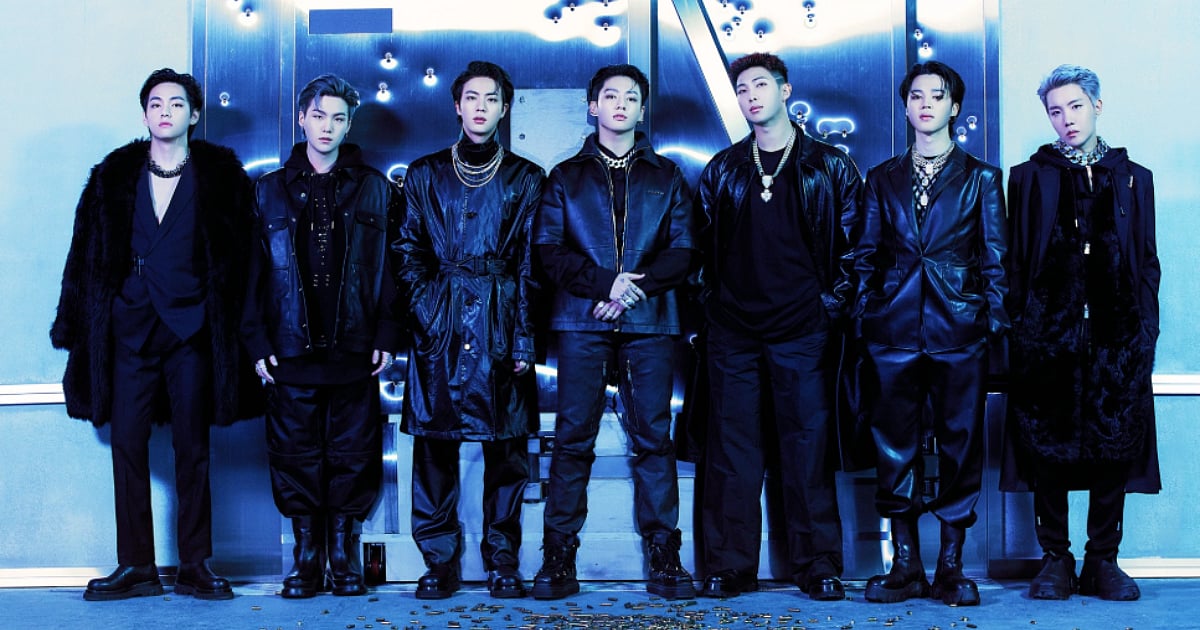
BTS
Why is K-pop popular in India?
The appeal lies in the globalization of the K-pop genre, which is now slowly eroding the language barrier as well by including more English lyrics. Tracks from BTS like DNA, Dynamite, and BLACKPINK’s How You Like That showcase that linguistic nuances are secondary to preference and sonic quality. Before the extensive usage of English, as seen in BTS’ latest album Arirang, K-pop groups had standardized the consumption of non-English music amongst the urban demography, proving that rhythm, beats, and narrative lore, which are central to the genre, are universal. Furthermore, the Korean content consumption trend nowadays also highlights the deeply embedded emotional resonance depicted by the themes of resilience and self-love found in most K-pop lyrics like BTS’ Love Yourself trilogy.
How BTS changed youth culture in India?
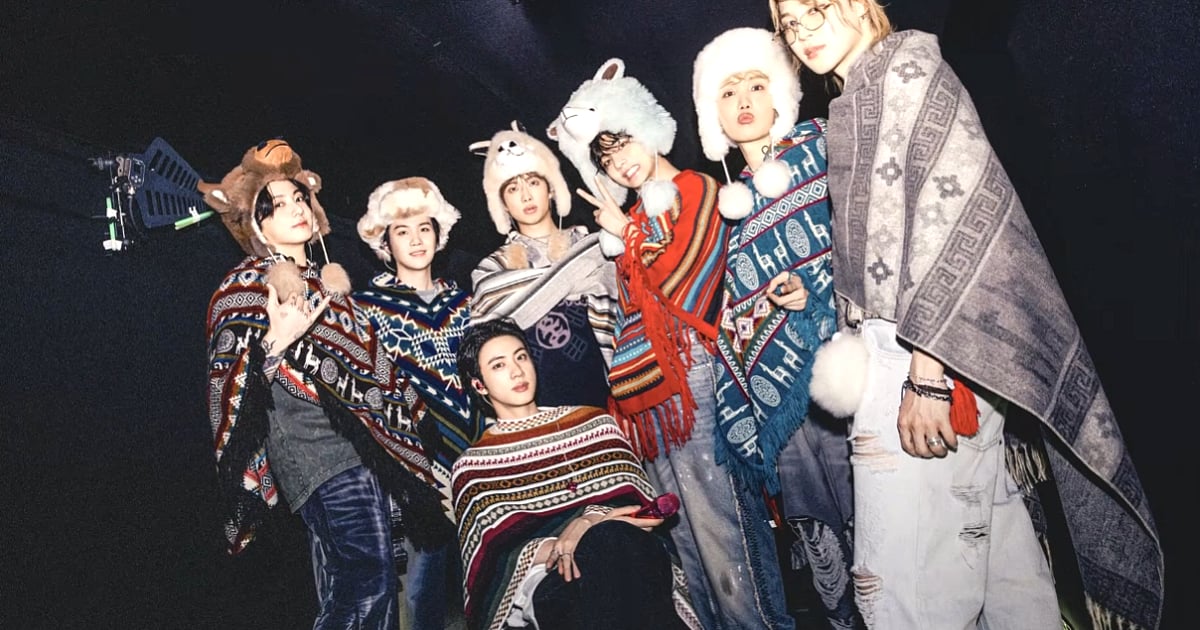
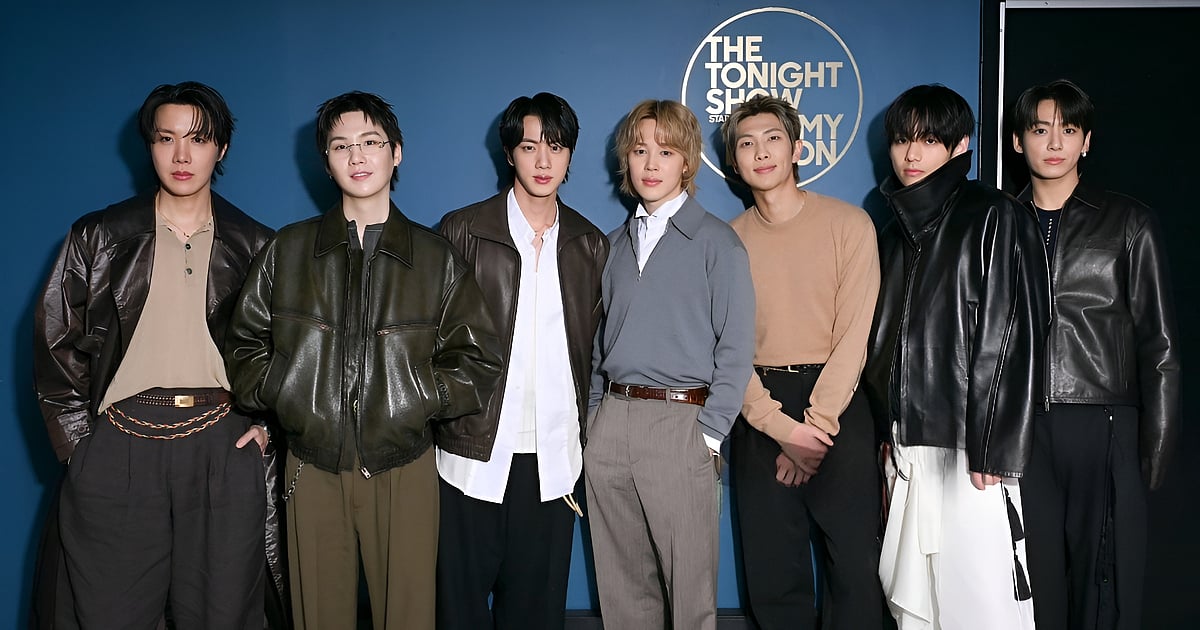
The impact of the septet, comprising RM, Jin, Suga, J-Hope, Jimin, V, and Jungkook, extends far beyond the chart successes. The BTS popularity in India in 2026 has reached a fever pitch, generated in self-organized fan events that rival many festivals in metropolitan hubs. PVR INOX recently took advantage of this momentum by announcing that BTS’ Arirang world tour will be screened in theatres across 20 cities in India.
Apart from the screens, the K-pop cultural impact has also redefined Indian lifestyle standards. Youth in the country are increasingly trying to adapt to the "glass skin" aesthetics, converting once-niche products like sheet masks, essences, and serums into domestic staples. Fashion too has followed suit; with the advent of K-culture, streetwear and pastel-toned clothing are gaining popularity amongst local content creators and retailers alike.
How has BTS influenced global youth culture?
Globally, BTS has redefined music and K-pop as a whole by incorporating social activism and mental health advocacy into their brand. This influence has converted fans into active participants in a global movement that is now driving important economic implications. In India, this participation is most visible in the travel sector. As reported by Travelbiz Monitor, cited by News18, tourism to South Korea increased by 44% in 2024. Reportedly, South Korea is now targeting between 270,000 and 500,000 Indian visitors by 2026, by leveraging the K-pop influence in India as a primary diplomatic and economic hinge.
The synergy has also ignited high-profile cross-border collabs. For instance, Indian actress Anushka Sen has signed with a South Korean agency while joining the cast of the show Asia. On the other hand, singer Armaan Malik has helmed English-Korean tracks with K-pop artists. Even A-list Korean talent like Park Seo-joon has indicated a desire to work with Indian creators. This convergence confirms that the BTS in India and the broader K-culture phenomenon are just the opening act for a long-term, multi-industry involvement.

Author
Diya Mukherjee is a Content Writer at Outlook Respawn with a postgraduate background in media. She has a passion for writing content and is enthusiastic about exploring cultures, literature, global affairs, and pop culture.

Related Articles