EWC 2026 Club Championship Tightens Rules and Deadlines
EWC 2026 Club Championship Tightens Rules and Deadlines
EWC 2026 Club Championship rules, prize pool, roster deadlines, points system, and protest process explained.

Highlights
- EWC confirms 2026 updates with a $30M prize pool.
- Roster deadlines are set for April 30 and May 25, 2026.
- The new protest system adds limits and fines for failed challenges.
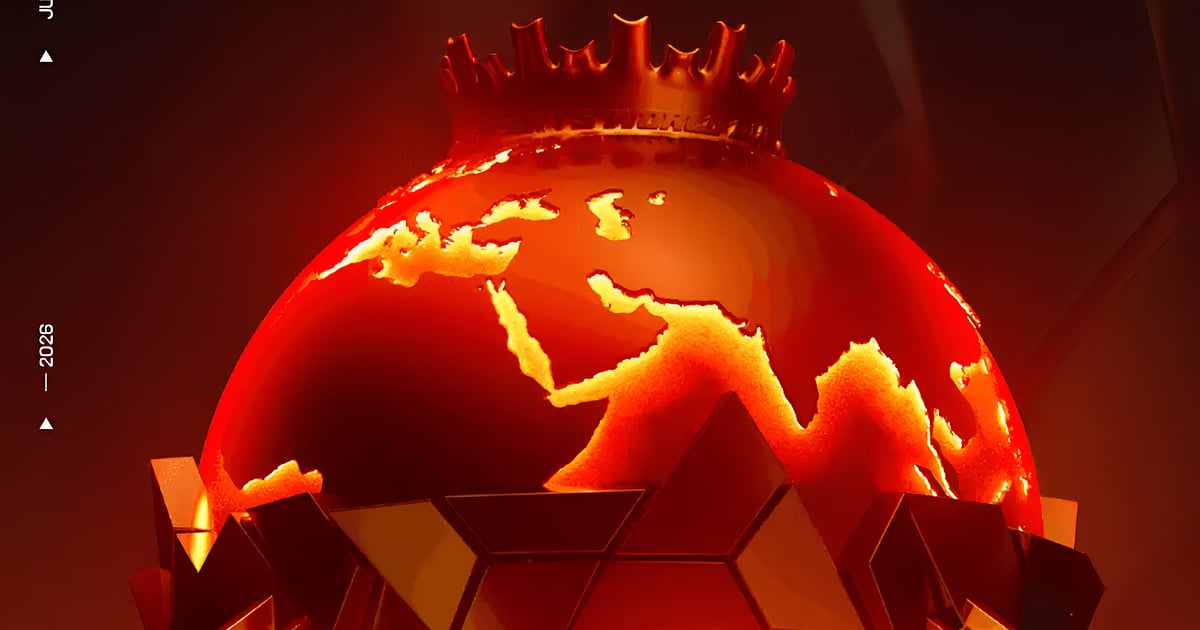
The Esports World Cup (EWC) confirmed major updates to its 2026 Club Championship on March 18, setting stricter participation rules, alongside the announcement of a $30 million USD prize pool. The summer event will rank organizations across multiple titles, with results from each competition contributing to a single leaderboard.
The total prize pool rises from $27M to $30M, with $7M awarded to the top-ranked club and payouts extending to the top 24 teams. Clubs accumulate points through top-eight finishes in eligible tournaments. A first-place finish awards 1K points, with progressively decreasing points assigned down to eighth place.
Only the highest placement per club in each event contributes to the final tally.
EWC 2026 Rules Introduce Stricter Roster Deadlines and Eligibility
Clubs must finalize and publicly announce rosters by April 30, 2026. Players added after this deadline may compete but will not earn Club Championship points. All participating players, including substitutes, must be registered by May 25, 2026.
However, organizations can field up to four players in solo competitions. In team titles, each club is limited to one squad, with an exception for Mobile Legends: Bang Bang.
Eligibility rules require clubs to secure top-eight finishes in at least two competitions. To win the overall title, a club must also achieve at least one first-place finish. Points are only awarded to players officially tied to a club before the April deadline, regardless of when qualification for a tournament occurs.
The Multi-Title Format and Protest System Reshape Competition Structure
The 2026 edition spans titles such as PUBG, Dota 2, Rocket League, Free Fire, League of Legends, Counter-Strike 2, VALORANT, and others, with additional competitions subject to confirmation. If multiple players or teams represent one club in a competition, only the best result counts toward the standings.
A formal protest system will be introduced, separating match-related issues handled directly by referees from general disputes submitted through an official platform. Each club is limited to three unsuccessful general protests per season. Further failed submissions may lead to fines of up to $100K.
The updated framework reflects a shift toward stricter governance. With defined standardized disputes, deadlines, and higher stakes, the 2026 Club Championship reinforces its role as a multi-title benchmark.

Author
Probaho Santra is a content writer at Outlook India with a master’s degree in journalism. Outside work, he enjoys photography, exploring new tech trends, and staying connected with the esports world.