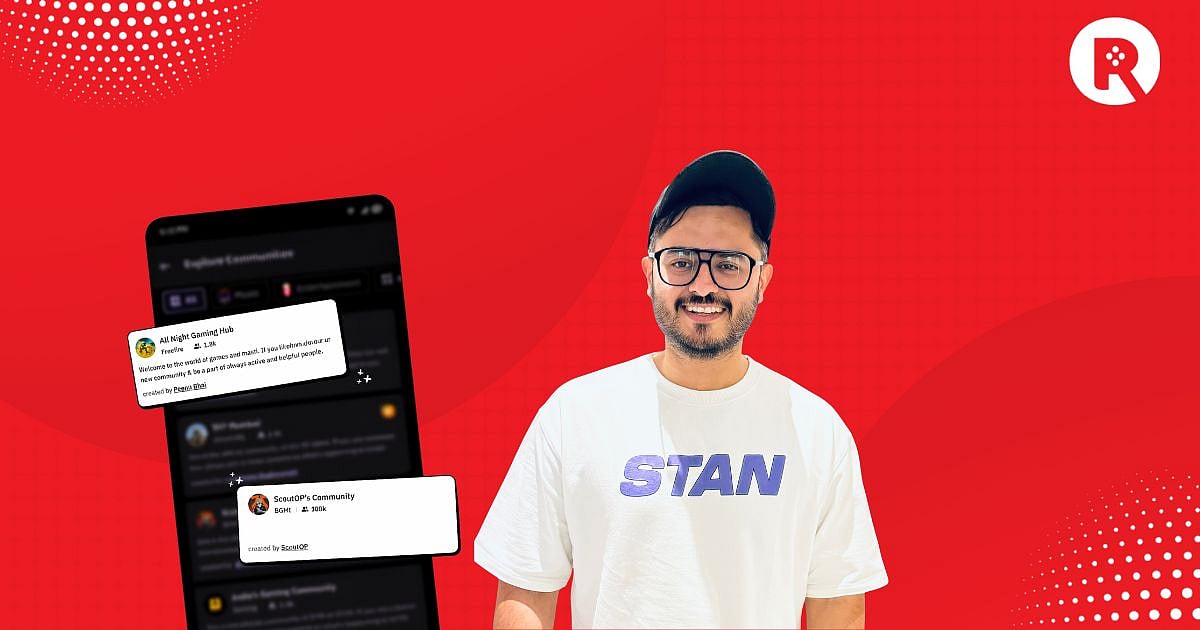
Parth Chadha on STAN’s Meteoric Rise and India’s Gaming Future
Tier-2 and Tier-3 Users Spend 18% More on STAN Than Metro Users
Social gaming platform's self-reported figures point to a non-metro monetization shift, though numbers remain unaudited and key definitions undisclosed

Highlights
- STAN says users from Tier-2 and Tier-3 cities generated 17-18% higher ARPU than metro users in 2026, with non-metro cohorts accounting for 67% of its user base and 72% of monetised engagement.
- Cities including Patna, Indore, Coimbatore, Visakhapatnam, Guwahati, Lucknow and Jamshedpur showed more consistent spending than the top metros, the company said.
- The numbers are drawn from STAN's own platform analysis and have not been independently audited; the company has not disclosed its sample size or methodology.
Users from India's smaller cities are spending roughly 17% to 18% more per head on social gaming platform STAN than users in Mumbai, Delhi and Bengaluru, the company said this week in an internal data release that points to where the country's gaming revenue is increasingly being generated.
STAN said users it classifies as "Bharat" — a label the company uses for Tier-2 and Tier-3 cities — accounted for about 67% of its user base and contributed close to 72% of monetised engagement on the platform in 2026, according to its statement. The figures come from STAN's own platform analysis.
The Singapore-registered, Bengaluru-operated startup closed a $10.5 million Series A round in November 2025, according to disclosures reported by Inc42 and BW Disrupt at the time. Its backers include Google's AI Futures Fund, Sony Innovation Fund, General Catalyst, Bandai Namco Entertainment, Square Enix, Aptos Labs and Nazara Technologies. Nazara, the listed Indian gaming company that recently posted 65.1% year-on-year revenue growth in Q2FY26, holds a 15.9% stake in STAN acquired for 18.4 crore rupees in September 2024.
In its statement, STAN singled out users from Patna, Indore, Coimbatore, Visakhapatnam, Guwahati, Lucknow and Jamshedpur as spending more consistently than users in the top three metros. Metro users tend to make occasional high-value purchases, while non-metro users spend in smaller amounts but more often, the company said, citing creator tipping during live gamerooms, in-app upgrades and paid club memberships. STAN also reported materially higher long-term retention among non-metro cohorts, with user growth in those markets running about 10% ahead of metros.
Creator earnings drive non-metro engagement
STAN also said in the release that more than 300,000 creators are now earning a monthly income on the platform, and that top creators from smaller cities are out-earning corporate freshers within their first year.
"What stood out to us was not just scale, but the consistency of monetisation and engagement behaviour across Bharat markets," Parth Chadha, co-founder and chief executive of STAN, said in the statement. He added that India's internet economy has long treated Bharat as a user acquisition market while viewing metros as the primary revenue base, an assumption he said the company's data was beginning to challenge.
The findings sit alongside a broader thesis among Indian venture investors, including Lumikai and Peak XV, that non-metro India will drive the next phase of consumer internet monetisation as UPI adoption deepens and creator economies mature. Lumikai's State of India Interactive Media Report 2025 valued the Indian video games market at $1.5 billion in CY25, growing 17% year-on-year, with payer conversion holding steady at 25%. STAN, in its statement, attributed the spending pattern to digital payment adoption in non-metro India, creator-led engagement, and the rise of platforms built for non-metro audiences rather than retrofitted from metro-first products.
STAN's release puts the platform at more than 45 million users and over one million creators, up from "more than 30 million downloads" reported by BW Disrupt at the close of its Series A in November 2025. The company has not published a city-tier classification list or definitions for ARPU, retention or monetised engagement, and the figures are self-reported rather than third-party verified — a standard caveat across India's social gaming sector, where most platforms disclose data selectively.
STAN said it plans to continue investing in creator tools and regional community features as it expands across India's gaming ecosystem.

Author
Outlook Respawn is Outlook's newest vertical covering the business of gaming and digital pop culture in India. We bring trusted journalism to an economy that traditional media overlooks, one where gaming studios command billion-dollar valuations and and pop culture drives massive economic ecosystems. Our veteran team tracks investments, valuations, and market movements across gaming, esports, anime, live events and all things pop culture. While others treat these sectors as entertainment, we deliver serious economic analysis on everything from IPOs to licensing deals, understanding that today's pop culture phenomena are tomorrow's blue-chip companies.
Outlook Respawn
Author
Outlook Respawn is Outlook's newest vertical covering the business of gaming and digital pop culture in India. We bring trusted journalism to an economy that traditional media overlooks, one where gaming studios command billion-dollar valuations and and pop culture drives massive economic ecosystems. Our veteran team tracks investments, valuations, and market movements across gaming, esports, anime, live events and all things pop culture. While others treat these sectors as entertainment, we deliver serious economic analysis on everything from IPOs to licensing deals, understanding that today's pop culture phenomena are tomorrow's blue-chip companies.