





Japan Warns U.S. Over Political Use of Japanese Entertainment IP
Japan Presses U.S. to Stop Using Japanese IP in Political Posts
Japanese officials cite copyright concerns and potential damage to globally recognized entertainment brands.

Highlights
- Japan has repeatedly raised concerns with the U.S. over government social-media posts using Japanese entertainment properties.
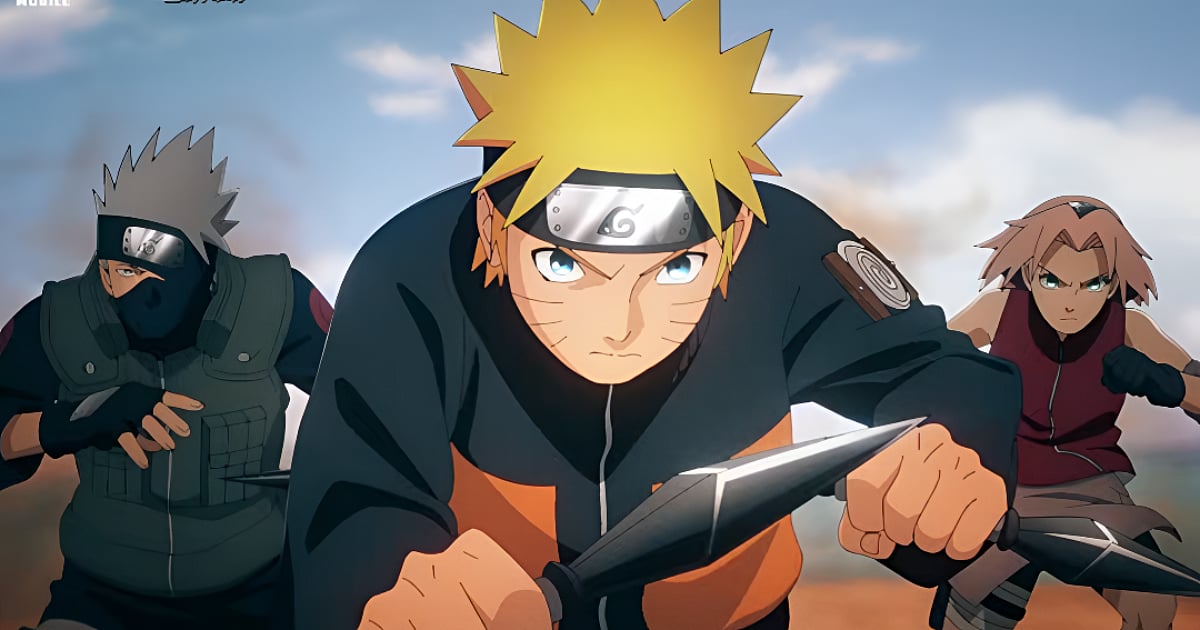
- White House and other federal posts have referenced franchises including Pokémon, Wii Sports, Dragon Ball, Yu-Gi-Oh!, Naruto and Mario.
- Japanese officials say public institutions generally need permission to reproduce copyrighted works and have also raised concerns about damage to the properties' image.
Japan has repeatedly pressed the Trump administration over the use of Japanese entertainment properties in U.S. government social-media posts, expanding what began as a copyright dispute into a broader concern over how some of the country's best-known cultural exports are being associated with American political messaging.
Japan's Ministry of Foreign Affairs raised the issue with the U.S. through diplomatic channels, including at least twice through the U.S. Embassy in Japan in June, according to reporting by the Mainichi Shimbun. Japanese officials have cited both the unauthorized reproduction of copyrighted works and the potential effect political use could have on globally recognized franchises.
The dispute follows a series of posts from the White House and other U.S. agencies that have borrowed imagery, footage or references from Japanese games and anime.
Japan Challenges White House's Use of Entertainment IP
One of the most prominent examples came March 12, when the White House posted a video combining footage from Nintendo's Wii Sports with imagery of U.S. strikes in Iran.
Foreign Minister Toshimitsu Motegi addressed the video during a parliamentary committee meeting on April 17, saying that, as a general principle, it is inappropriate even for public institutions to reproduce copyrighted works without permission from the rights holder. He stopped short of commenting on the video's political message.
The Wii Sports post followed another White House montage titled “Justice the American Way,” which combined footage from the Iran conflict with clips and references drawn from movies, television, anime and games. The material included Dragon Ball, Yu-Gi-Oh!, Halo, Top Gun, Iron Man and Braveheart.
Rights holders have pushed back separately. The official Yu-Gi-Oh! account said the franchise's creators and anime staff weren't involved in the White House video and that permission hadn't been granted. The Pokémon Company has also said it didn't authorize U.S. government uses of its intellectual property and has stressed that its mission isn't affiliated with a political viewpoint or agenda.
The dispute resurfaced in June after President Donald Trump shared an apparently AI-generated video on Truth Social depicting himself as Naruto protagonist Naruto Uzumaki. The post renewed attention on the “Protect Japanese Manga” petition, which had been launched earlier in the year over the use of anime and manga imagery in U.S. government messaging.
Petition organizers have said they submitted their campaign to Japan's Cabinet Office and contacted politicians over the issue.
Kimi Onoda, Japan's minister responsible for Cool Japan and intellectual-property strategy, said in June that obtaining permission from copyright holders is the underlying principle for the use of protected works. She said Japan had repeatedly communicated its position to the U.S. through diplomatic channels.
Japan Raises Concern Over Brand Damage
Japan's concern now extends beyond whether individual posts comply with copyright rules.
Officials have also told the U.S. to consider the potential damage that could result when globally known Japanese properties are used without permission alongside government policies or military messaging, according to reports based on the Mainichi Shimbun.
That gives the dispute an economic and cultural dimension for Japan, which has increasingly treated games, anime and manga as valuable international exports.
The Trump administration hasn't publicly committed to ending the practice. A State Department spokesperson told PC Gamer that the department doesn't comment on private diplomatic conversations, while describing Japan as a close U.S. ally and important trading partner.
The disagreement highlights a growing challenge for Japanese rights holders as their characters become fixtures of global internet culture: maintaining control over how those properties are represented when governments turn them into political messaging.
Disclaimer: Some Japanese-language reporting and statements cited in reporting on this story were reviewed using machine translation.

Author
Probaho Santra is a content writer at Outlook India with a master’s degree in journalism. Outside work, he enjoys photography, exploring new tech trends, and staying connected with the esports world.

Related Articles