Razer Introduces AI Pipeline Tools for Game Developers
Razer Introduces AI Pipeline Tools for Game Developers
Razer expands developer tools with AI testing and automation systems.

Highlights
- Razer unveils AI development tools at GDC 2026.
- The QA Companion-AI adds automated bug detection and test creation.
- The AVA and the Adaptive Immersive Experience expand Razer’s AI ecosystem.
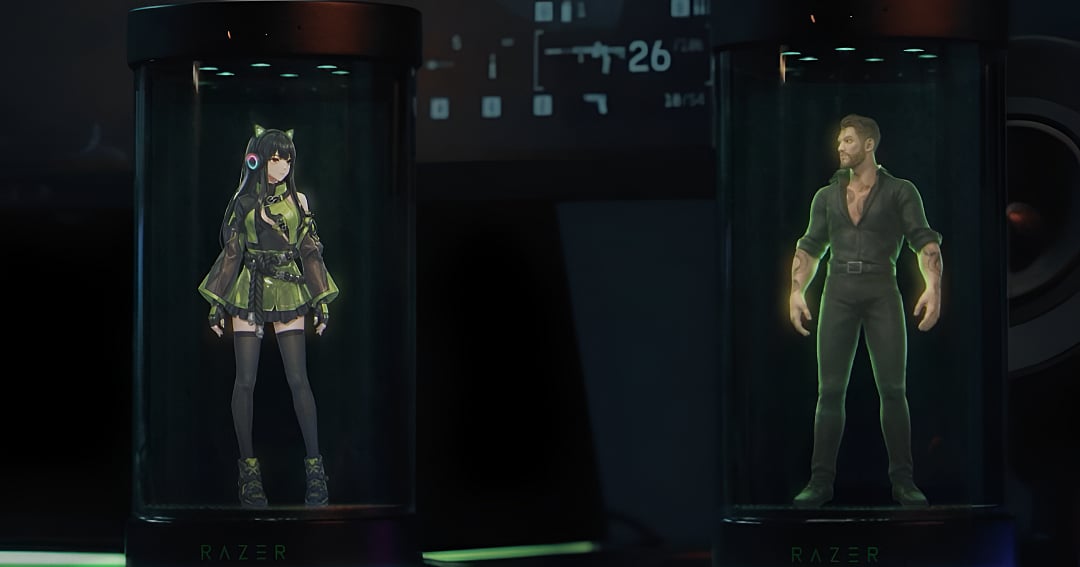
Razer unveiled a set of AI-powered development tools during its ‘Future of Play’ presentation at the Game Developers Conference (GDC) 2026. The technologies aim to reduce development friction and automate testing workflows. The showcase introduced a unified infrastructure that connects software, hardware, and immersive systems to support faster game production.
The March 9, 2026, announcement highlighted three pillars of Razer’s development ecosystem:
- Razer AVA: An AI assistant built to handle multi-step actions across connected apps and services.
- Razer QA Companion-AI: A testing tool that spots gameplay issues and helps automate bug reporting and test creation.
- Razer Adaptive Immersive Experience: A system that adds synced haptics, lighting, and audio for more responsive gameplay immersion.
Together, the tools are designed to help studios scale development pipelines while maintaining oversight of creative decisions.
Razer QA Companion-AI Aims to Accelerate Game Testing
A central component of the showcase is the updated Razer QA Companion-AI, first introduced at GDC 2025. The tool now supports zero-integration deployment. Studios can add automated testing to existing pipelines without SDKs, plugins, or code changes.
The system analyzes gameplay footage using vision-based detection. It identifies issues such as physics glitches, rendering errors, animation bugs, and collision problems. It automatically produces detailed bug reports that include reproduction steps and attached video evidence.
QA Companion-AI can also generate test cases from tester prompts or game design documents. It can produce functional, negative, and boundary tests within minutes.
Razer noted AI gameplay agents are in development to run these tests and autonomously return pass/fail summaries.
Alongside QA automation, Razer AVA expands into an AI assistant that converts user intent into multi-step workflows across apps and devices. The Adaptive Immersive Experience runtime integrates real-time lighting, haptics, and spatial audio. It is built on Razer’s Sensa HD Haptics, Chroma RGB, and THX Spatial Audio+ systems.
Razer VP of Software, Quyen Quach, stated the company’s approach is to support developers rather than replace them. He added that AI should “amplify human creativity” while helping teams move from idea to implementation faster.
The global games market is projected to reach $206.5 billion USD by 2028, with nearly four billion players worldwide. Razer’s GDC showcase reflects the industry’s growing shift toward AI tools that improve development speed while maintaining design control.

Author
Probaho Santra is a content writer at Outlook India with a master’s degree in journalism. Outside work, he enjoys photography, exploring new tech trends, and staying connected with the esports world.