




Roblox Strengthens Child Safety with New Age-Based Accounts
Roblox Strengthens Child Safety with New Age-Based Accounts
Roblox implements automatic age progression and verification-based account systems.

Highlights
- Roblox launches Kids and Select accounts globally, including India, introducing age-based safety tiers for users under 16.
- The system includes automatic age progression with verification-based account placement and tiered access controls.
- Roblox expands parental controls and tightens communication rules, aligning with global child safety and regulatory frameworks.
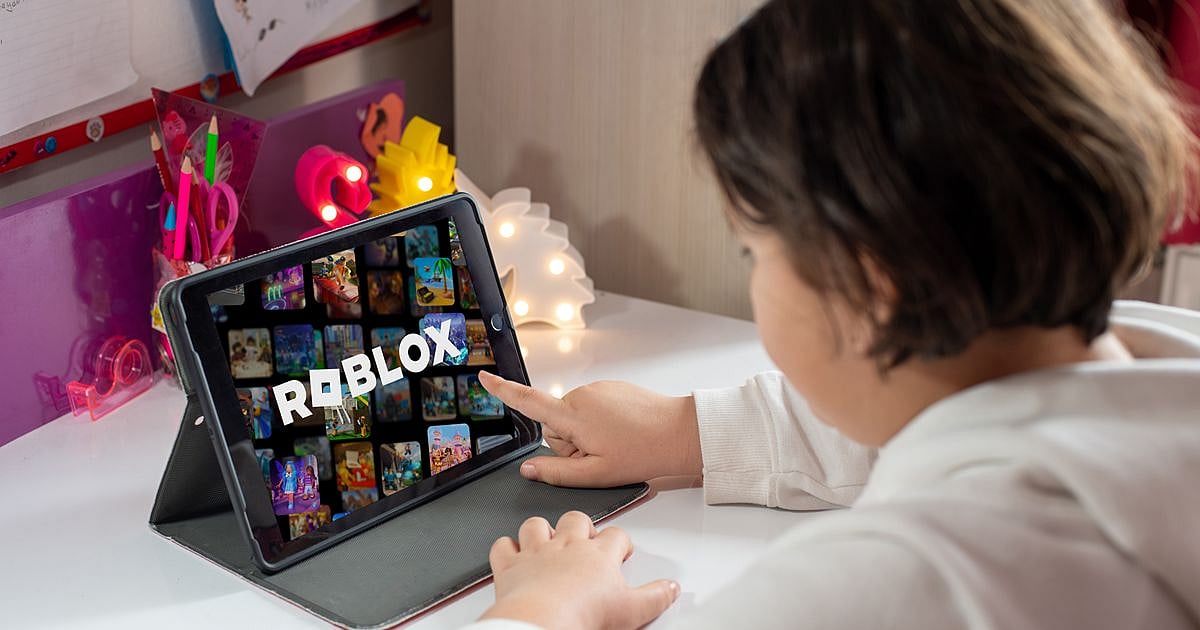
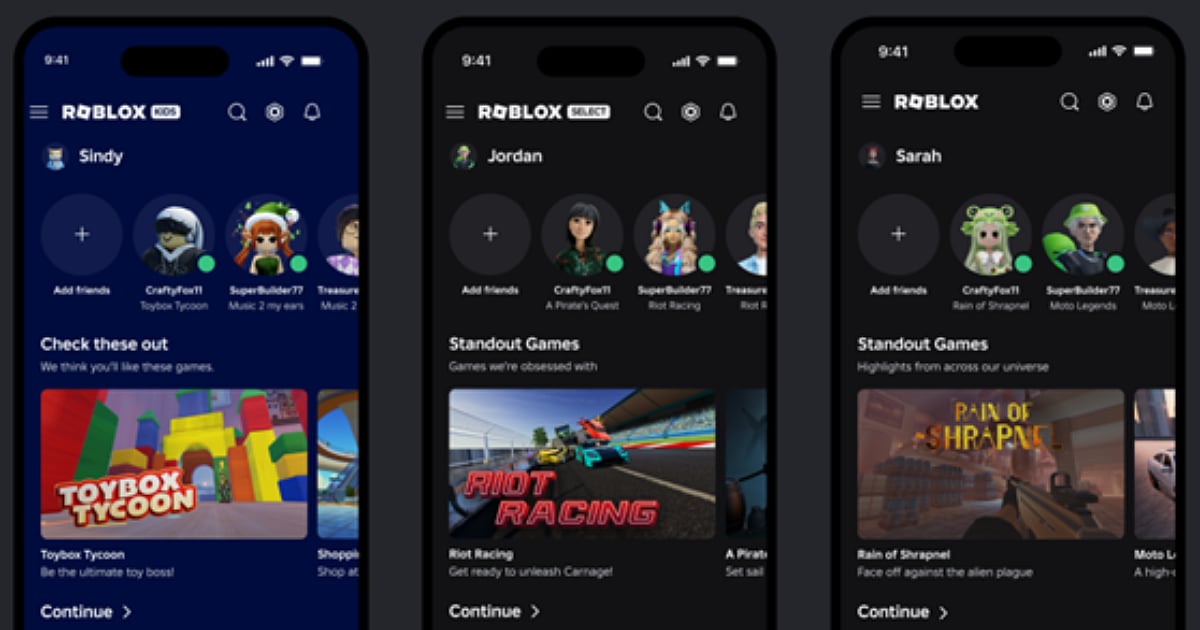
Roblox Corporation launched Roblox Kids and Roblox Select accounts worldwide on June 16, 2026, including India. The new account types introduce a structured age-based safety system for users under 16. The rollout replaces a uniform experience with tiered accounts that adjust game access, chat functions, and parental controls based on age verification.
The system also introduces automatic transitions as users grow, with safeguards designed to scale over time.
The global expansion follows a limited rollout last month in Indonesia, Australia, the Netherlands, and New Zealand. With this launch, Roblox integrates age checks, moderation systems, content ratings, and parental controls into a single framework aimed at creating age-appropriate digital experiences.
Roblox Kids Accounts, and Roblox Select Safety System for Ages 5-15
Roblox Kids accounts are designed for ages 5-8 and apply the strictest protections. Users in this group can access only games labeled "Minimal" or "Mild" in content maturity, while chat is disabled by default. Eligible experiences go through continuous review, including developer verification and real-time moderation checks.
Meanwhile, Roblox Select accounts cover ages 9-15 and expand access to games rated up to Moderate. Chat permissions vary by age and region, with additional safeguards applied for users under 16. Across both tiers, certain experiences, such as social hangouts and free-form drawing features, are excluded to reduce exposure to open-ended interactions.
The account system is structured around automatic progression:
- Users move from Roblox Kids to Roblox Select at age 9.
- Users transition to standard accounts at age 16.
- Age-check systems determine initial placement.
- Unverified users face restricted access, including limited communication features.
At launch, most existing games remain accessible to age-checked users under 16, while the experience for users 16 and older remains unchanged.
Roblox
Roblox Parental Controls Expansion, Communication Rules, and India Rollout
Roblox Corporation is also expanding parental controls for linked accounts, giving parents visibility into gameplay activity, friend lists, screen time, content ratings, and spending limits. A new approval feature allows parents to grant access to specific games outside default restrictions, with extended oversight tools available until a child turns 16.
Chief Safety Officer (CSO) at Roblox, Matt Kaufman, stated, "Children's needs change significantly as they grow, and online experiences should adapt alongside them.”
The platform is also tightening communication rules for users under 16. These include restrictions on sharing or viewing social media links across profiles, game pages, and community surfaces, rolling out later this month. Later in 2026, Roblox will shift to the International Age Rating Coalition (IARC) framework for standardized content classification.
In India, where younger users are increasingly active on gaming platforms, the rollout marks a structured approach to online safety. Roblox's system aims to balance access with age-based controls, parental transparency, and evolving safety protections.
This direction mirrors broader regulatory momentum in major gaming markets. In the U.K., upcoming online safety rules will extend under-16 social media restrictions into parts of the gaming sector, targeting features like livestreaming and communication with unknown users. The proposed framework signals a wider global shift toward tighter control of social interaction layers in online gaming environments.

Author
Probaho Santra is a content writer at Outlook India with a master’s degree in journalism. Outside work, he enjoys photography, exploring new tech trends, and staying connected with the esports world.