




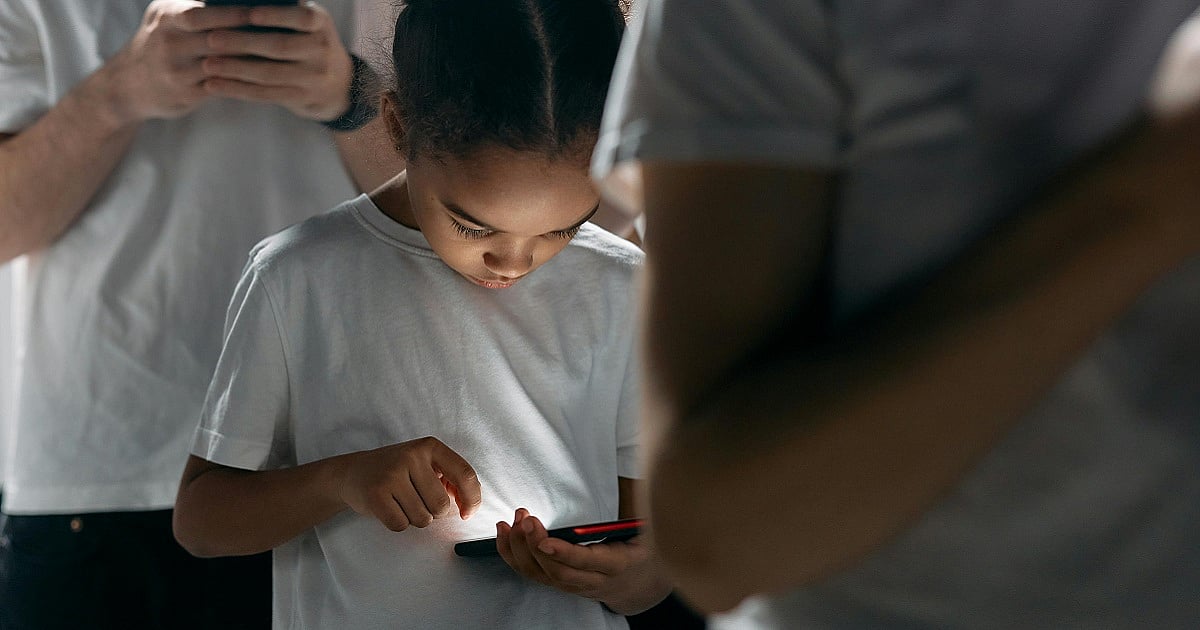
A child using social media
Should Social Media Be Banned for Kids Under 16?
Karnataka’s proposal to ban social media access for those under 16 highlights how India is entering a growing global debate over online safety.

Highlights
- Governments worldwide are moving toward stricter social media limits for minors.
- Even in India, Karnataka is restricting social media usage for users under the age of 16.
- Experts say bans alone may not solve deeper issues around platform design and digital literacy.
The debate around children’s access to social media has entered a new phase. For years, policymakers focused on moderation, privacy protections, and platform accountability. Now, several governments are considering something more direct: restricting access to social media entirely for younger users.
Australia recently proposed measures aimed at limiting social media access for children under the age of 16. In the United States, multiple states are introducing laws that require parental consent, enforce stricter age verification, or restrict how algorithms interact with minors. India is now beginning to see similar conversations emerge. Karnataka has decided to restrict social media access for users under 16, signaling that the country may soon face the same policy questions shaping debates in other regions.
Governments are increasingly questioning whether platforms designed around engagement and data collection should be accessible to children without stronger safeguards. The recent policies by governments have faced mixed reactions from the general populace. Some argue that such restrictions can lead to privacy risks for not just children, but everyone involved.
Karnataka Reflects a Growing Global Policy Trend
Karnataka’s recent ban on social media for those under 16 years of age is just one of many such policies that have gone live in recent years. The motivations behind such proposals always sound the same. Policymakers frequently cite rising concerns about excessive screen use, exposure to harmful or misleading content, and the influence of recommendation algorithms that shape what young users see online. Platforms optimized for engagement can expose children to content cycles that governments simply cannot moderate at scale.
In India, the challenge is amplified by the sheer number of young internet users. Cheap mobile data, widespread smartphone adoption, and a young population mean that millions of children interact with social media platforms every day.
At the same time, India does not yet have a unified national framework that specifically governs how large digital platforms should design products for minors. As a result, debates about children’s digital safety often emerge at the state level or through isolated policy discussions rather than through a comprehensive national strategy. Karnataka’s proposal could therefore signal the beginning of a broader conversation across the country.
Why Age Restrictions are Controversial
While governments are moving toward stronger restrictions, the proposals are far from universally accepted. In the United States, advocacy groups and technology policy organizations have launched campaigns like Bad Internet Bills opposing several state-level bills that would require strict age verification or parental oversight. Critics argue that such measures could create new privacy risks by forcing platforms to collect sensitive identity information from users.
Public resistance has been significant against such policies. The campaign tracking these proposals, hosted at badinternetbills.com, has already recorded over 468K signatures from individuals opposing the legislation.
Opponents also argue that outright bans may not address the deeper issues within digital platforms. Children could move to less regulated spaces online, while age verification systems could create barriers for legitimate users.
Supporters of stricter laws believe stronger intervention is necessary. They argue that platforms currently place too much responsibility on parents and schools while continuing to design systems that prioritize engagement over safety.
We talked to Meghana Yadav, Head of Training and Development, Child Psychologist, and Family Counsellor at KLAY Preschools & Daycare. She shared her thoughts on the ban, stating, “Karnataka’s decision to restrict access for those under 16, similar to steps taken recently in Australia, reflects this growing urgency. However, bans alone may not be a long-term solution.
She feels that as we move into an AI-led digital future, children also need better guidance to navigate online spaces. According to her, “The answer lies in a balanced and holistic approach— stronger guardrails from social media companies, tighter rules on content and data use, active parental supervision, and digital literacy that helps children engage with technology in a safe and informed way.”
She emphasized that children will inevitably encounter digital platforms as they grow older. Preparing them to navigate these environments safely may therefore require both regulation and education.
India’s Larger Policy Question
India now finds itself entering a debate already unfolding in other parts of the world. The country is one of the largest markets for social media platforms and digital services aimed at young users. Decisions made elsewhere, whether in the United States, Europe, or Australia, often shape how these platforms operate globally.
India still lacks a comprehensive framework focused specifically on digital childhood. Policies addressing gaming addiction, screen time, and online safety exist, but they are often spread across multiple ministries and agencies. If age restrictions become a serious policy option, they will likely raise broader questions about enforcement and digital security.
Recent backlash against Discord’s proposed age-verification system highlights the practical difficulties of enforcing stricter rules for minors online. The platform had explored requiring users to verify their age through methods such as facial age estimation or government ID checks when accessing age-restricted communities. However, the idea quickly drew criticism from users who raised concerns about privacy, biometric data collection, and the risks of storing sensitive identification information.
The discussion triggered by Karnataka’s proposal may therefore be only the beginning. As governments around the world experiment with new rules for social media and minors, India may soon have to decide what kind of digital environment it wants for the next generation of internet users.

Author
Abhimannu Das is a web journalist at Outlook India with a focus on Indian pop culture, gaming, and esports. He has over 10 years of journalistic experience and over 3,500 articles that include industry deep dives, interviews, and SEO content. He has worked on a myriad of games and their ecosystems, including Valorant, Overwatch, and Apex Legends.
Abhimannu Das is a web journalist at Outlook India with a focus on Indian pop culture, gaming, and esports. He has over 10 years of journalistic experience and over 3,500 articles that include industry deep dives, interviews, and SEO content. He has worked on a myriad of games and their ecosystems, including Valorant, Overwatch, and Apex Legends.