




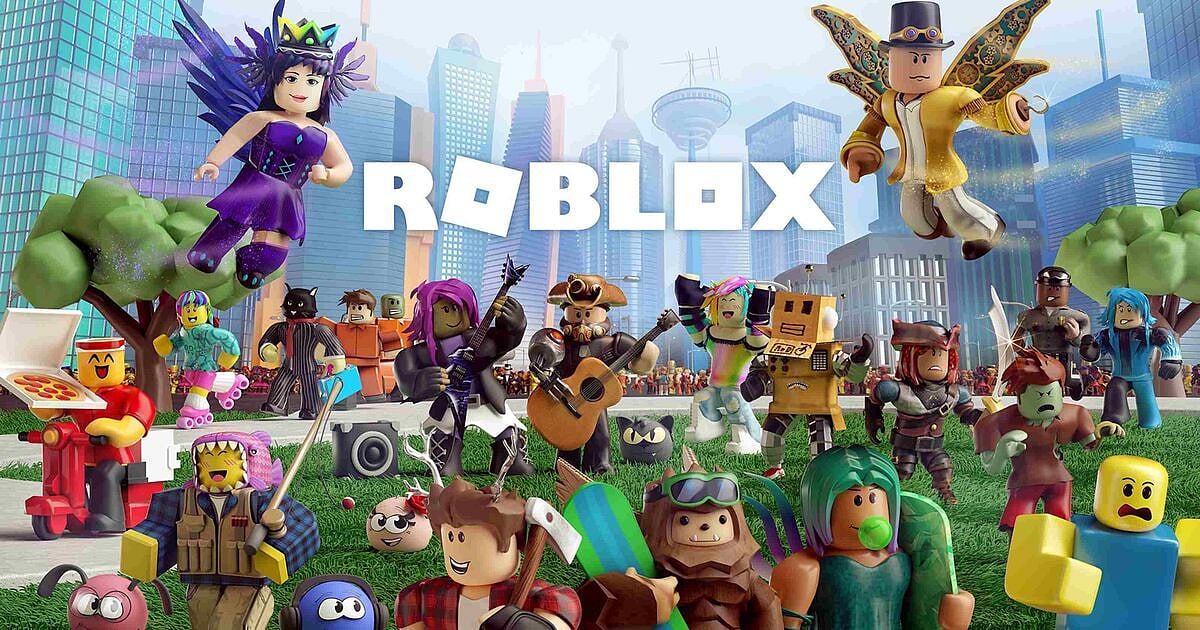
Roblox Faces Another Ban as Russia Blocks Services of the Popular Gaming Platform
Russia Bans Roblox: Protecting Children or Censoring the Internet?
Russian Gamers Protests Amid Roblox Ban Highlight Tensions Over Russia’s Growing Online Censorship.

- Protesters in Tomsk, Siberia challenged Russia’s ban on Roblox, marking a rare public dissent.
- Authorities cite child safety, while critics question blanket bans in the digital age.
- The Roblox ban reflects Russia’s growing internet censorship and control over global platforms.
Roblox was at the center of a rare protest in Russia on Sunday. Many people from the Siberian city of Tomsk braved the snow to oppose the ban on the U.S.-based online gaming platform. The event marked a unique public challenge to governmental censorship, which has tightened dramatically in recent years.
Roskomnadzor, Russia's communications watchdog, restricted access to the widely played children's gaming platform on Dec 3, claiming it was "rife with inappropriate content that can negatively impact the spiritual and moral development of children."
About 25 to 30 protesters in the Vladimir Vysotsky Park held handwritten placards that read "Hands off Roblox" and "Roblox is a victim of the digital Iron Curtain." It illustrated the growing dissatisfaction amongst people regarding internet limitations that now cover platforms often used for study and relaxation, in addition to messaging apps and social media.
Not Only Roblox, Russia Banned Other Foreign Digital Platforms Too
Services like Snapchat and Apple's FaceTime are already blocked in Russia, alleging that the apps were used for terrorist activity, recruiting, and fraud. This move came after restrictions were imposed on YouTube and Instagram, with YouTube access intentionally limited last year due to supposed hardware concerns.
2024 saw the blocking of encrypted messengers like, Signal and Viber, and this year, the country blocked the Russian users of WhatsApp and Telegram from using the apps’ calling feature. At the same time, the government is promoting the domestic app Max, which many critics claim to be a government monitoring tool. The officials claim that this vast censorship system is required to protect traditional values and ward off what they refer to as an "information war."
Why Did Russia Ban Roblox?
The government ban on gaming platforms like Roblox is not new. Talking specifically about Roblox, it has been prosecuted several times in the United States and other European countries for kid safety measures. The platform has also been outlawed in several Middle Eastern nations like Iraq, Qatar, Kuwait, and Turkey. As a result, parents and educators on both sides of the argument have expressed concerns about the most recent Russian ban.
While some backed the government's ban, justifying the country’s child-protection rationale, others wonder if restricting access is a reasonable response in the digital age when content can be accessed through easy workarounds. Many critics are of the opinion that the Russians may now use Virtual Private Networks (VPNs) to evade digital barriers. Additionally, they also highlighted the fact that popular global platforms like Roblox have few to no Russian alternatives, which triggers game-lovers in the country even more.
Roblox Corporation has consistently highlighted its "deep commitment to safety" in response to all the previous bans it has faced and/or is currently facing. The company has newly developed initiatives and safety measures for younger users, nevertheless, it continues to face trouble. Nevertheless, the company hasn't yet made a clear statement regarding the Russian ban.
The Tomsk protest puts the Roblox ban within Russia's larger context of internet censorship. As authorities tighten technical controls under the country's "sovereign internet" policy and limit access to the outside world, the Roblox episode highlights the ongoing debate about online safety, censorship, and the role of digital governance in everyday life.
Author
Diya Mukherjee is a Content Writer at Outlook Respawn with a postgraduate background in media. She has a passion for writing content and is enthusiastic about exploring cultures, literature, global affairs, and pop culture.