Australia bans social media for under-16s
Australia Under-16 Social Media Ban: How it Affects Esports?
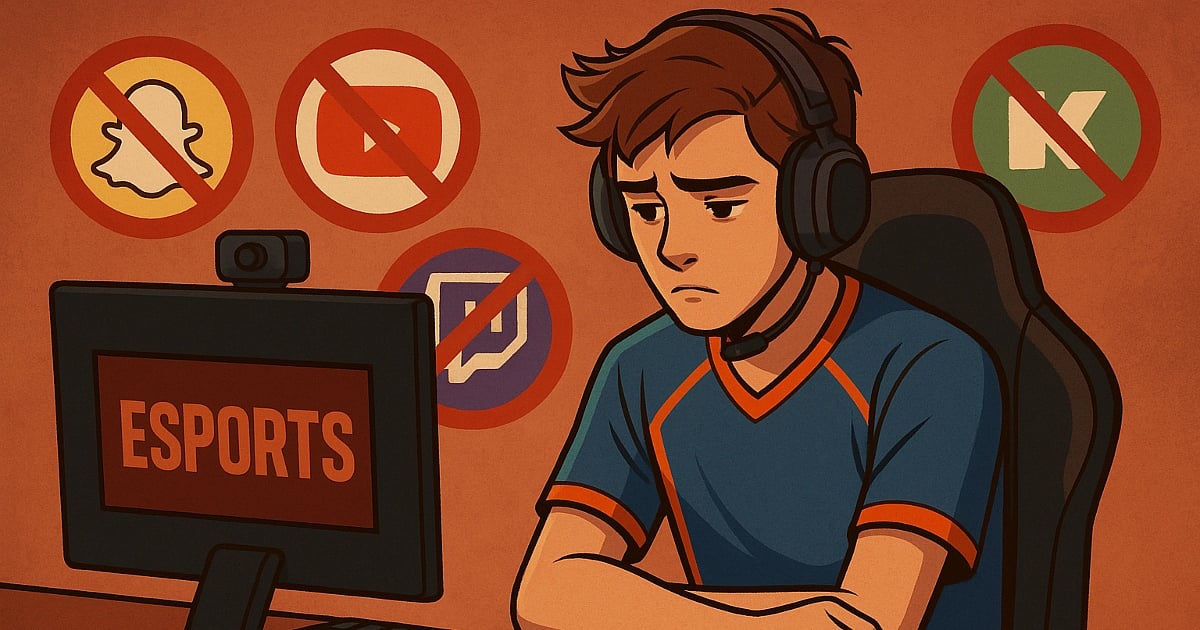
The Australia under-16 social media ban is now in effect, blocking platforms like Twitch and TikTok. This landmark law threatens to cut off the esports talent pipeline.

Highlights
- The Australia under 16 social media ban blocks access to major platforms like TikTok and Twitch.
- Tech giants face heavy fines for non-compliance with the new australia under 16 social media ban.
- The Australia under 16 social media ban threatens future esports talent by restricting streaming access.
Australia has officially implemented a world-first ban on major social media platforms for children under the age of 16, a landmark move intended to protect youth mental health that is sending shockwaves through the global gaming ecosystem. The legislation, which came into effect on Wednesday, December 10, mandates that technology companies block young teens from holding accounts or face severe financial penalties. While the law aims to curb addiction and online risks, the strict inclusion of livestreaming giants like Twitch and Kick also threatens the growing community among the younger audience of the country.
The burden of enforcement falls entirely on tech platforms rather than parents. Companies that fail to take reasonable steps to prevent under-16s from creating accounts face fines of up to $49.5 million AUD (approximately $33 million USD). The impact has been immediate, with reports indicating that Meta has already begun locking out hundreds of thousands of teen accounts. For the gaming community, this is a "nuclear option" that effectively erases the digital public footprint of an entire generation of young Australians.
How the Ban Impacts Esports
The most critical blow to the gaming industry is the classification of Twitch and Kick as social media under the new law. These platforms are not just entertainment hubs; they are primary engines for esports tournament broadcasts, and fan engagement.
By barring under-16s from these platforms, the legislation effectively cuts off the younger audience from exposure to the industry. As the law would refrain them from legally watching multiple esports tournaments, tournaments would lose out on viewership from younger audience.
This isolation could lower the value of the Australian esports market for global advertisers in a sector already tied to billions in digital revenue. The industry risks long-term fanbase erosion as young gamers will be isolated and unable to integrate into the broader esports culture.
GooglePlay
Discord and Roblox Remain Safe
Despite the extensive list of banned apps—which includes TikTok, Instagram, YouTube, Snapchat, Reddit, X, and Facebook—the government has carved out specific exemptions. Discord and Roblox, along with WhatsApp and Steam, are notably not included in the ban.
This distinction has created what the industry calls a "regulatory double standard". A 15-year-old Australian is now legally barred from following an esports organization on X or watching a tournament on Twitch with a logged-in account, yet they can still communicate privately with friends on Discord or play socially on Roblox. While this exemption provides a lifeline for maintaining social connections, it leaves the public-facing side of esports fragmented.
Verification and Global Reaction
To comply with the law, platforms are verifying users’ ages using official documents or AI systems that estimate age by scanning faces. Last year, Australia conducted a government-funded study on these methods, convincing officials that verification could be done without compromising privacy. However, critics have raised concerns about data security and the accuracy of AI tools, citing instances in the UK where teens used video game character faces to bypass age gates.
The world is watching Australia as a test case. While strict bans in the US face stiff opposition based on First Amendment rights, the Australian precedent has emboldened regulators. If the US were to mirror this ban, it could stall youth visibility and recruitment on a massive scale, leaving young gamers without safe alternatives for community building.
Meanwhile, legal challenges have already begun. Two Australian teens have sued to block the law, claiming it violates their rights to political expression. Despite the pushback, the ban is now live, marking a significant shift in how the digital world interacts with its youngest users.

Author
Krishna Goswami is a content writer at Outlook India, where she delves into the vibrant worlds of pop culture, gaming, and esports. A graduate of the Indian Institute of Mass Communication (IIMC) with a PG Diploma in English Journalism, she brings a strong journalistic foundation to her work. Her prior newsroom experience equips her to deliver sharp, insightful, and engaging content on the latest trends in the digital world.
Krishna Goswami is a content writer at Outlook India, where she delves into the vibrant worlds of pop culture, gaming, and esports. A graduate of the Indian Institute of Mass Communication (IIMC) with a PG Diploma in English Journalism, she brings a strong journalistic foundation to her work. Her prior newsroom experience equips her to deliver sharp, insightful, and engaging content on the latest trends in the digital world.
Related Articles