




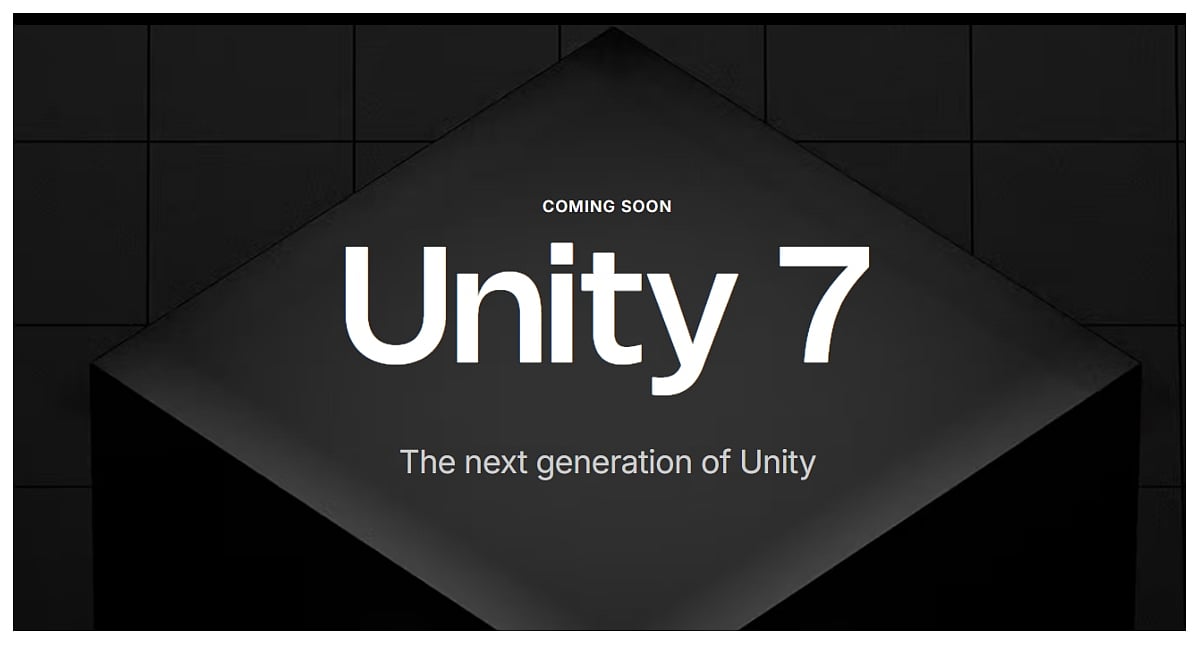
Unity 7 delivers seamless migration from Unity 6 with zero engine rebuilds.
Unity 6 to Unity 7: A Seamless Transition for Studios of All Size
Explore Unity 7 features: seamless migration from Unity 6, 90% faster shader builds, optional AI graphics tools, and advanced monetization options.

Highlights
- Unity 7 transitions seamlessly from Unity 6 without requiring engine rebuilds, entering beta in December 2026 before its Q1 2027 release.
- Modernized performance features a CoreCLR foundation, near-instant Play Mode, and up to 90% faster shader builds.
- Optional AI integration and monetization tools like Surface Cache GI and Unity Vector empower studios with advanced tech while keeping creative control optional.
Unity is officially gearing up for its next big leap, but this time, developers won't have to dread the usual engine migration headaches. Announced at the Unite Seoul 2026 conference, Unity 7 is set to enter early beta testing in December 2026, with a full release scheduled for the first quarter of 2027. Promising a seamless transition from its predecessor, the upcoming engine aims to empower studios of all sizes with advanced tech and zero friction. As Unity CEO and president Matt Bromberg stated, "Game development is changing faster than at any point in history. The future belongs not to the biggest team, but to those who can use new technology to create something unique and find an audience. Unity 7 is the platform that meets this moment."
The most significant sigh of relief for working studios is the complete elimination of traditional version upgrades. Unity has explicitly framed Unity 7 as a direct continuation of the Unity 6 architecture, meaning current projects will carry over untouched with absolutely no rebuilding or new programming languages required.
New features are already being shipped and production-verified within the current engine to ensure a smooth transition. Unity's senior vice president of product, Adam Smith, told Game Developer, "Because the architecture underneath doesn't change at the moment of version transition, teams can adopt with ease, with the workflows they depend on remaining fully supported.”
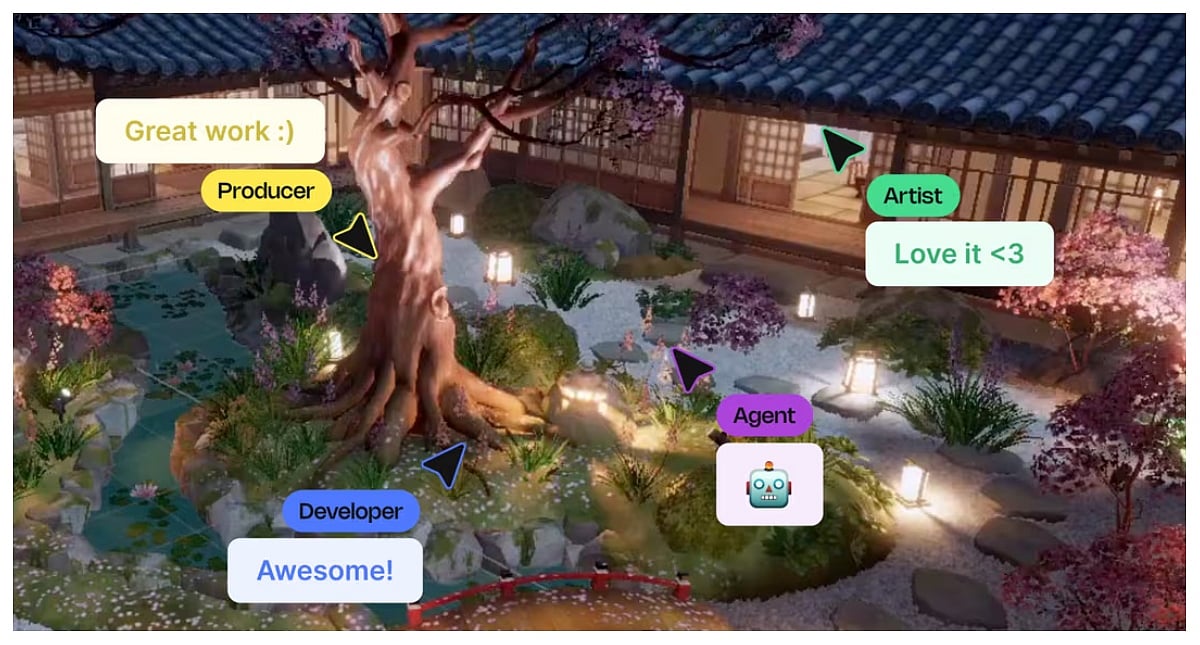
Under the hood, Unity 7 is built on a modernized CoreCLR foundation designed to dramatically accelerate every part of the development pipeline. Creators can expect massive performance gains, including near-instant Play Mode, domain reloads that only affect changed code, and shader builds that are up to 90 percent faster. To make team collaboration easier, the latest engine also introduces a new command-line interface (CLI) and public API. This flexibility allows artists, producers, and developers to validate assets and push builds using their preferred external tools, all without needing full access to the Unity editor itself.
Unity
The AI Equation and Monetization
Visually, the new engine is pushing boundaries with new rendering tools, most notably real-time global illumination through Surface Cache GI. Unity noted that this technology will "bring richer, more realistic lighting and visual detail to every platform, powered in part by AI-assisted graphics optimisation and scaling from high-end PCs down to mobile devices." For teams eager to integrate artificial intelligence into their programming workflows, the engine also offers a free Model Context Protocol (MCP) layer, seamlessly connecting developers with their favorite AI coding agents.
However, understanding the gaming community's mixed feelings toward generative tech, Unity stresses that its latest suite of AI tools is entirely optional. Smith emphasized that developers are not required to use them to get the most out of the engine. "If your studio has committed to keeping AI out of your creative work, you're not on the sidelines of this release," Smith clarified. "Unity 7 is built for a future where humans and coding agents can work together. But the choice is always the team's, not the platform's."
On the business and live-operations front, Unity 7 is heavily integrating smart growth tools to help studios succeed commercially. The engine features native direct-to-consumer in-app purchases (IAP), no-code web shops, and unified catalogs. All of these features provide valuable purchase data directly to Unity Vector, the company's AI-powered monetization engine, helping studios match players to their games and optimize engagement.

Author
Krishna Goswami is a content writer at Outlook India, where she delves into the vibrant worlds of pop culture, gaming, and esports. A graduate of the Indian Institute of Mass Communication (IIMC) with a PG Diploma in English Journalism, she brings a strong journalistic foundation to her work. Her prior newsroom experience equips her to deliver sharp, insightful, and engaging content on the latest trends in the digital world.
Krishna Goswami is a content writer at Outlook India, where she delves into the vibrant worlds of pop culture, gaming, and esports. A graduate of the Indian Institute of Mass Communication (IIMC) with a PG Diploma in English Journalism, she brings a strong journalistic foundation to her work. Her prior newsroom experience equips her to deliver sharp, insightful, and engaging content on the latest trends in the digital world.