




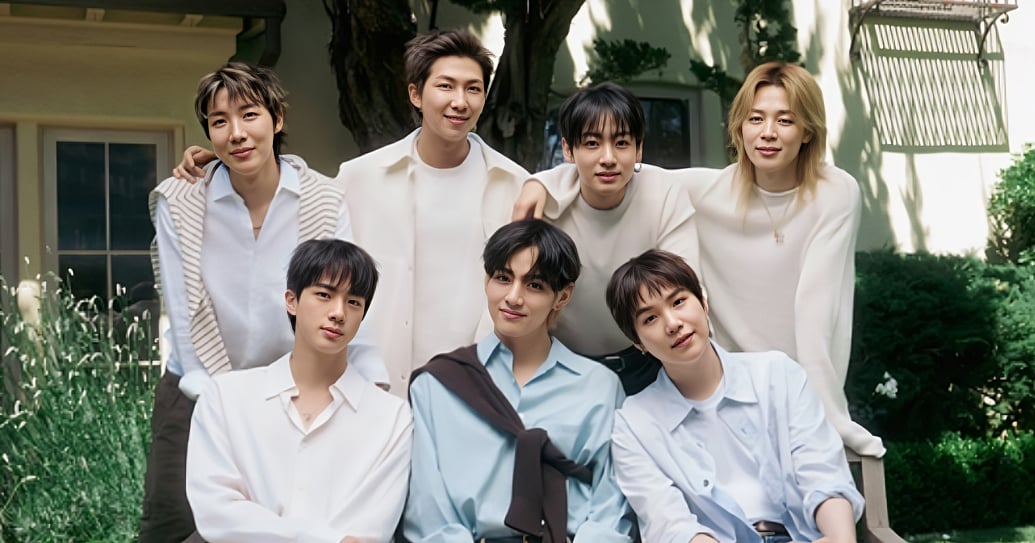
Free gifts funded by BTS for their 2026 Busan concert spark a heated controversy online as they are resold globally
Resale of Free BTS Busan Concert Gifts Sparks Global Fan Backlash
The dispute generated from BTS' Busan concerts showcases how fan-first traditions are increasingly becoming the part of a booming resale economy.

Highlights
- Free concert gifts from BTS meant to be heartfelt fan keepsakes appeared on resale platforms within hours, igniting fierce debate across the fandom worldwide.
- From Korea to India, exclusive gift sets and rare photocards rapidly attracted eye-catching price tags in the booming secondary market.
- As HYBE addressed logistical issues on-site at the Busan concert, the controversy exposed a bigger challenge over fan culture, scarcity, and commercial reselling.
Within hours of BTS concluding its two-day Arirang World Tour Busan concerts in its Asiad Main Stadium, the gifts provided by the global pop icons to their fanbase became the latest battleground for secondary market arbitrage. The free, exclusive gift sets which were distributed to the concertgoers on June 12 and 13 rapidly flooded domestic and international resale platforms, inviting widespread backlash within the fandom. The issue highlighted a growing industry challenge: the commercial exploitation of artist-to-fan sentiment.
Known in the K-pop industry as yeok-jogong, or "reverse gifting," the packages were reportedly curated and even financed directly by the seven members of BTS to celebrate the group’s 13th debut anniversary on June 13 as well as the love of their fans. However, the emotional goodwill of the gesture soon gave way to commercial capitalization. On South Korean secondhand marketplaces such as Danggeun Market, Karrot, Bunjang, and Junggonara, these gift sets, which cost nothing to the attendees, were listed at a price range of ₩100,000 (~ $66 USD) to ₩500,000 (~ $330), according to The Korea Herald.
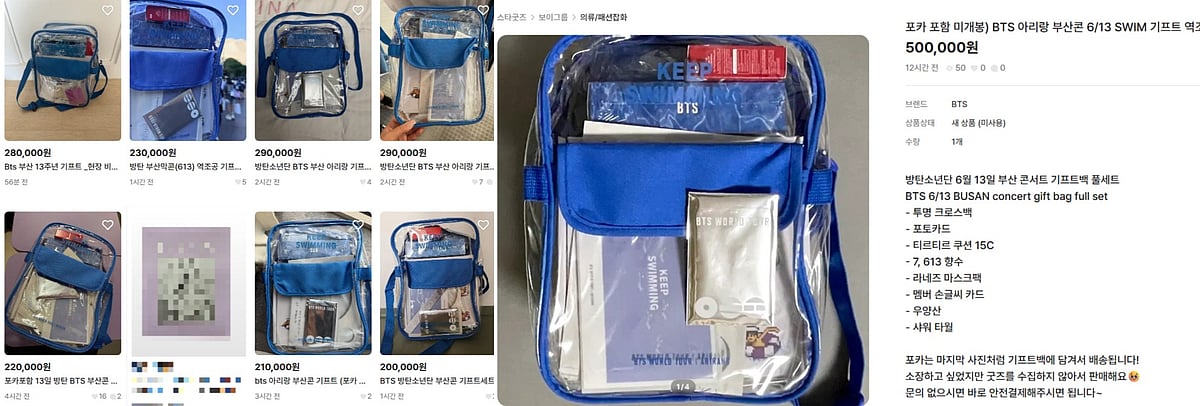
BTS BUSAN GIFT RESALE LISTING PRICE AT BUNJANG (IMAGE COURTSEY: THE KOREA HERALD)
The Commodification of a Personal Token: BTS Gifts Flipped for $478 and more
The highly coveted gift bags by BTS contained limited-edition items like solid perfumes branded with the numbers “7” and “613” (referencing the group’s members and debut date), an official umbrella, towel set, and premium skincare products like sheet masks, hydration mists, and cushion foundation from Laneige and TirTir. The primary drivers of the resale value, however, were seven collectible photocards of the members and their handwritten messages and signatures. The photo cards, selling separately, had prices of ₩50,000 (~ $33) to ₩120,000 (~ $80).
On global platforms like eBay, sellers targeted international collectors with asking prices reaching up to $350 and $460, according to The Korea Times. In fact, one seller labeled the set as an "ultra-rare collectible" which a BTS fan “must have.” The resale supply chain extended rapidly into South and Southeast Asia. In Singapore, the BTS fan gift set has been listed at prices like S$200 (~ $155) and S$613 (~ $478) on Carousell.
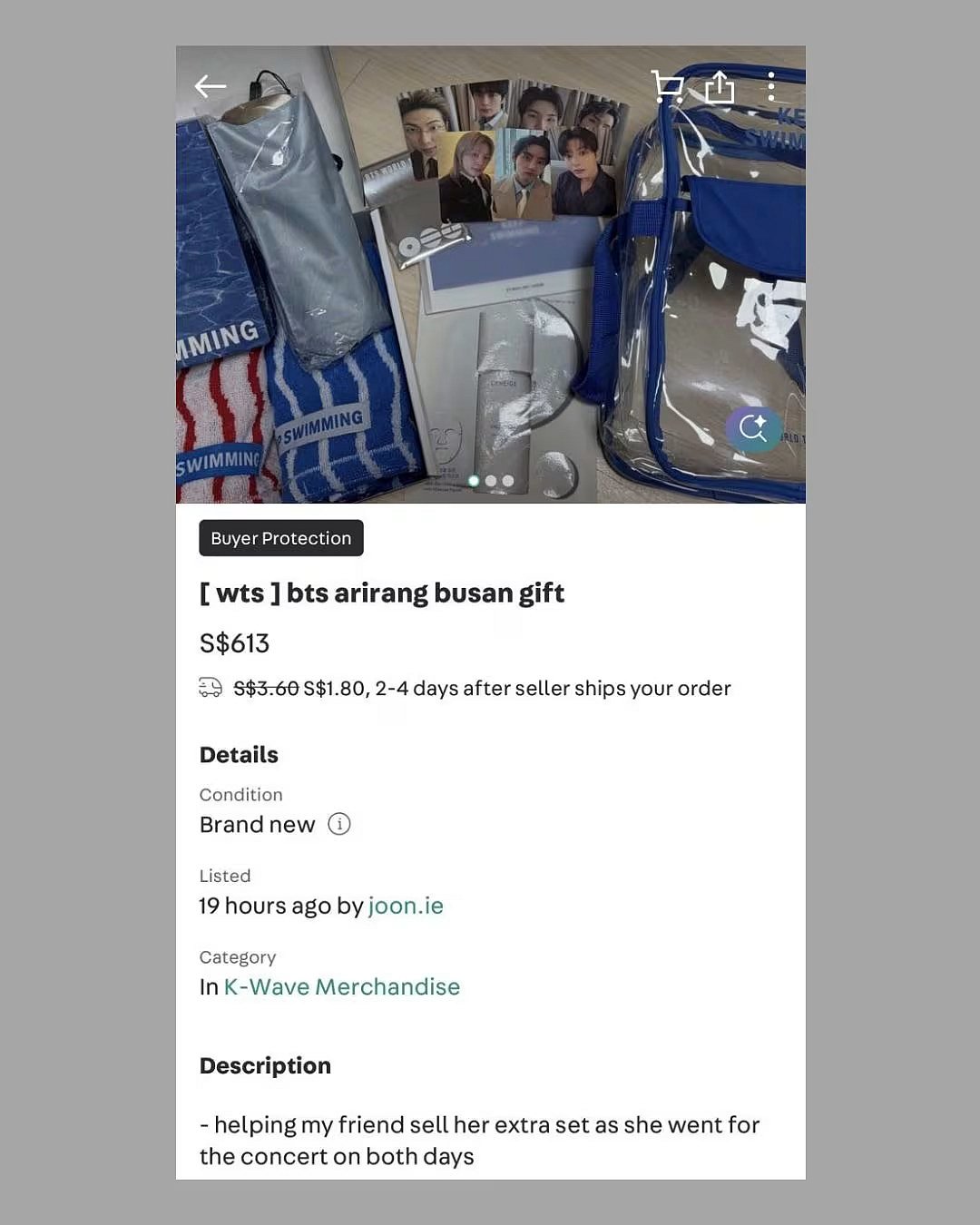
BTS BUSAN GIFT RESALE LISTING PRICE AT CAROUSELL (IMAGE COURTSEY: CNA LIFESTYLE)
On the other hand, independent Instagram-based stores in India were observed retailing complete sets for ₹15,000 to ₹18,000 ($158 to $190), while offering individual items in the range of ₹1,000 to ₹3,000. As stated above, photocards have their own value and are being sold at a cost of ₹600 each in India (prices may vary store-to-store). Notably, the full photocard set could cost even more. While searching through Instagram, Outlook Respawn discovered that after the first purchase of this gift set, a seller had sold another set at an even steeper price. While having the whole set remains an aspirational luxury, most fans are claiming individual items from the set, owing to the price markups.
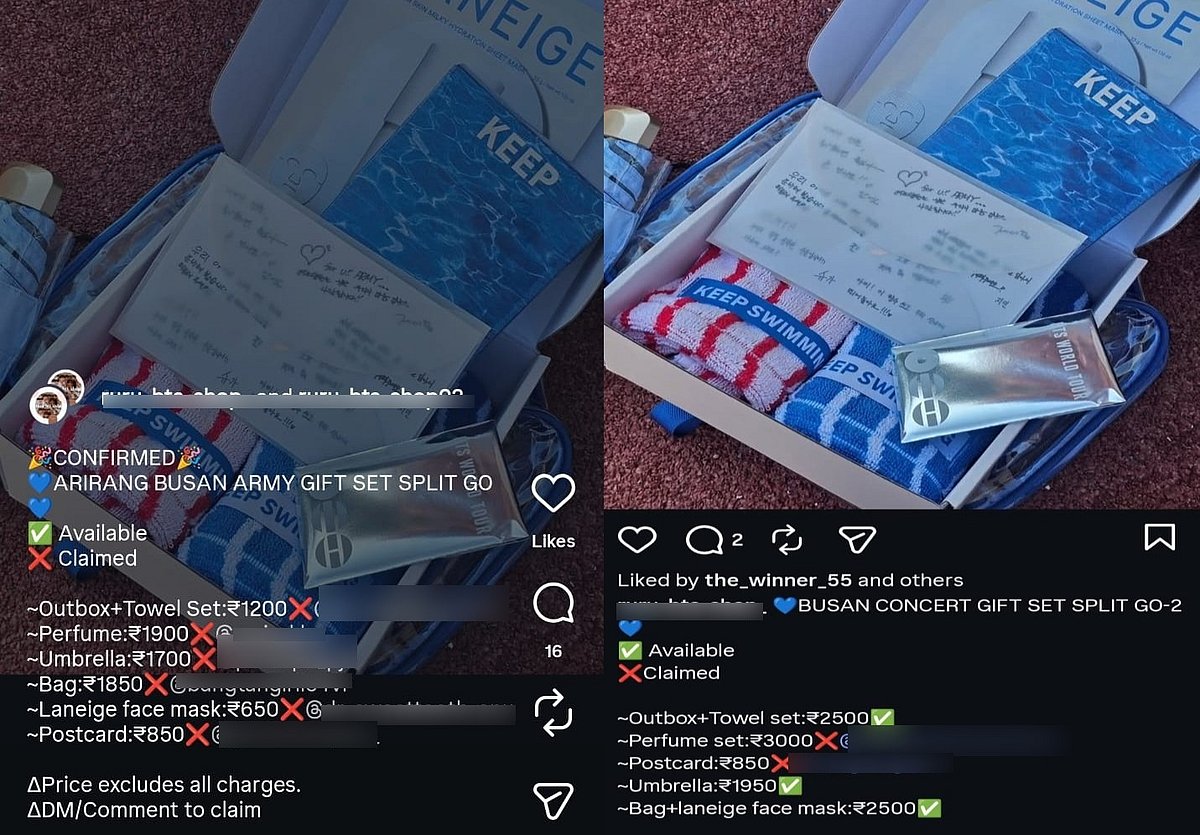
BTS BUSAN GIFT RESALE LISTING PRICE ON INSTAGRAM (IMAGE COURTSEY: SCREEN CAPTURE)
This rapid monetization has polarized the entire K-pop community. To many institutional and long-term fans, the secondary market listings depict a breach of an unwritten cultural contract. Before the opening show in Busan, BTS member Jungkook addressed fans via live stream. He said that the members had "opened their wallets" to personally select the items, and hoped that every attendee would receive them.
BTS Gifts’ Supply Scarcity Inflated Secondary Demand?
The friction was further compounded by logistical issues during BTS’ June 12 performance. Operational shortcomings at the venue delayed fan entry by over an hour. This problem left a segment of the audience without their promised gift bags. HYBE, the entertainment label managing BTS, later apologized via their fandom platform Weverse for the hindrance caused and also separately confirmed that the packages will be directly shipped to the people at their addresses who did not get them. Despite this step, the loophole created a temporary scarcity that potentially exacerbated the immediate demand on secondary apps.
Many disappointed fans took to social media platforms like Instagram, X and Threads to criticize sellers. These fans regarded the listings as disrespectful to both the artists' intent and the fans who were denied the items on-site. On another note, several independent market participants defended the listings on forums, saying that ownership rights grant attendees the choice and the free will to sell the items acquired at the venue.
The controversy arises as the music industry faces broader scrutiny of secondary market inflation with ticket scalping. Amidst this, the instant flip-selling of merchandise disrupts the consumer experience. The commodification of yeok-jogong or the “reverse gifts” points out that even non-retail, sentiment-driven gestures from artists are also inescapable to commercial scalping.
As BTS prepares to begin the European leg of their Arirang world tour, fans have been battling for tickets during this time. The tour is scheduled to commence in Madrid, Spain, on June 26. As the group moves into international markets again, agency executives and fan groups both face the unresolved challenge of safeguarding exclusive fan-service acts from the rapidity of global arbitrage.
Author
Diya Mukherjee is a Content Writer at Outlook Respawn with a postgraduate background in media. She has a passion for writing content and is enthusiastic about exploring cultures, literature, global affairs, and pop culture.

Related Articles