




The Power Play: BTS SUGA transitions from NBA Ambassador to MLB Equity Stakeholder
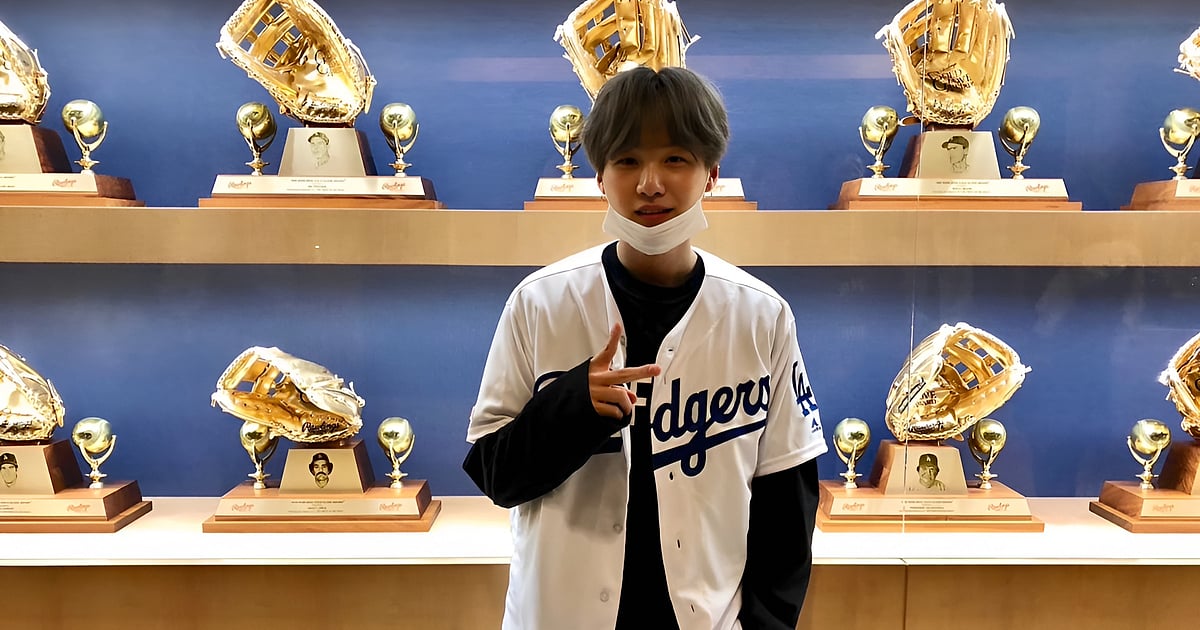
BTS SUGA To Own a Minority Stake in MLB’s Oakland Athletics Team?
After a Major League Baseball in 2026, people’s gaze has now turned to an early $70M private equity deal involving BTS SUGA.

- SUGA, alongside former MLB pitcher Chan Ho Park and other Korean business figures, could possibly own some stakes in the Oakland Athletics.
- The team had historically included Asian players, thereby prompting observers to think that it is a broader strategy to tap into the regional market.
- K-pop acts’ partnerships with sporting entities are gradually increasing, showcasing massive cross-sector business potential.
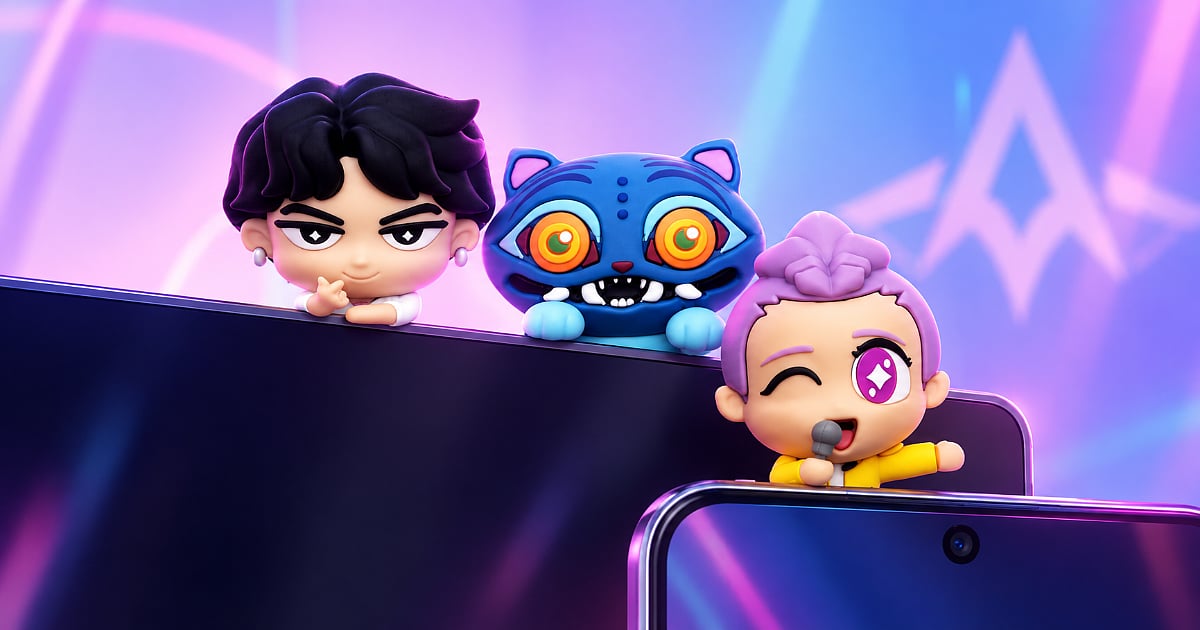
BTS’ Opening Week collaboration with Major League Baseball 2026 has compressed the gap between promotional music and institutional investment. The campaign features the songs from ARIRANG, BTS’ latest comeback album, alongside personalities like Shohei Ohtani. The collaboration serves as a high-profile reminder of a $70 million USD private equity consortium finalized in 2025 that also involved group member SUGA.
Capital Enters the Dugout: Inside BTS SUGA’s Oakland Athletics Stake Deal
The deal that was led by former MLB pitcher Chan Ho Park’s agency, Team 61, was reported to acquire a minority stake of around 2% to 3% in the Oakland Athletics. However, that is allegedly still under MLB’s approval. Apart from SUGA, the deal involved senior Korean business figures such as Yi Man-deuk of Samchully Group, Ascend Partners’ Hwang In-seon, and Bank of America’s Mike Joo. This also indicated a strategic transition from various influencers in their respective fields to sports equity stakeholders.
The greater capital is associated directly with the franchise’s anticipated relocation to Las Vegas and a $1.75B stadium targeted for 2028 completion. The funding arrives for the legacy team, founded in 1901, at a time when it is trying to fix years of restricted spending power and competitive spirit.
Soft Power to Sports Equity: K-pop’s Expanding Playbook
The involvement of BTS member SUGA and other prominent Korean figures has left observers wondering if this is a step to build a soft-power bridge to tap into Asian markets and Korean talent pipelines. This is also because the team has historically featured players from the same region. Additionally, the move comes as the Athletics are also seeking a total brand reinvention.
As for BTS, the strategy showcases that cultural influence is steadily being capitalized as equity. By enabling a band member to secure an ownership position within the league structure, the band’s label potentially aims to seek global relevance. As K-pop acts like CORTIS (associated with the NBA) and TXT’s Yeonjun (associated with the MLB) are getting integrated with sporting events, it shows how the sector has moved beyond international visibility and into the architecture that exists within the sports economy.

Author
Diya Mukherjee is a Content Writer at Outlook Respawn with a postgraduate background in media. She has a passion for writing content and is enthusiastic about exploring cultures, literature, global affairs, and pop culture.




Related Articles