




AI takes over K-Pop
How AI is Reshaping K-Pop: From HYBE's Strategy to Virtual Idols
HYBE leads K-pop’s "Enter-Tech" revolution with AI and virtual idols. While profits soar, the industry faces a new crisis: the rise of malicious deepfakes.

Highlights
- HYBE leads the "Enter-Tech" shift, utilizing AI for multilingual releases and virtual idols.
- The massive success of virtual group Plave proves the profitability of the booming AI music market.
- Rapid automation brings severe risks, with deepfakes becoming a major threat to stars.
The days of viewing AI as just a visual gimmick are officially over. Since the release of ChatGPT in late 2022 accelerated the commercialization of generative technology, the K-pop industry has raced to see how much can be automated. Major powerhouses like HYBE, SM Entertainment, JYP, and YG are no longer debating the technology’s place in music but are integrating it into their core business models. This shift isn't just about creativity; it is an economic necessity to reduce the risks of high-stakes debuts and ensure scalability in a hyper-competitive global market.
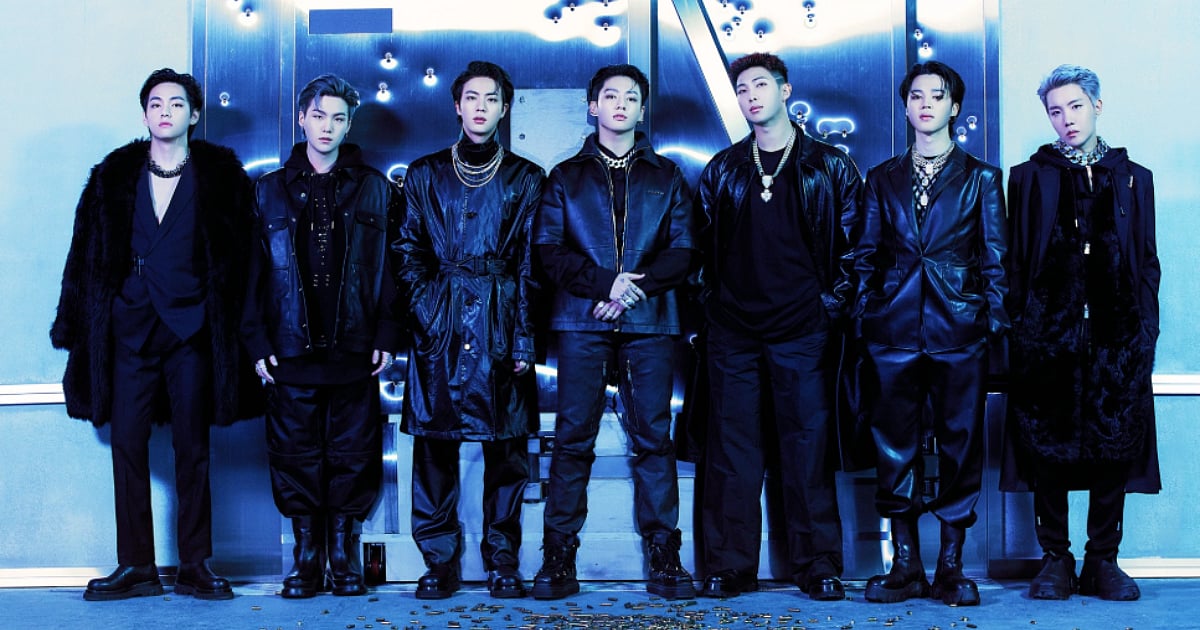
Leading this aggressive charge is HYBE, the agency behind BTS. Under chairman Bang Si-hyuk, the company has rebranded as an "Enter-Tech" firm, viewing technology as the vital solution to a looming "K-pop crisis" caused by human limitations. The company deepened its technical commitment by acquiring a majority stake in AI audio startup Supertone in Jan 2023, a move designed to expand creative possibilities rather than replace artists, as reported by the Korea Herald.
The practical application of this tech was showcased in the project "Midnatt," featuring singer Lee Hyun. Using AI, his vocals were enhanced and released simultaneously in six languages—Korean, English, Japanese, Mandarin, Spanish, and Vietnamese.
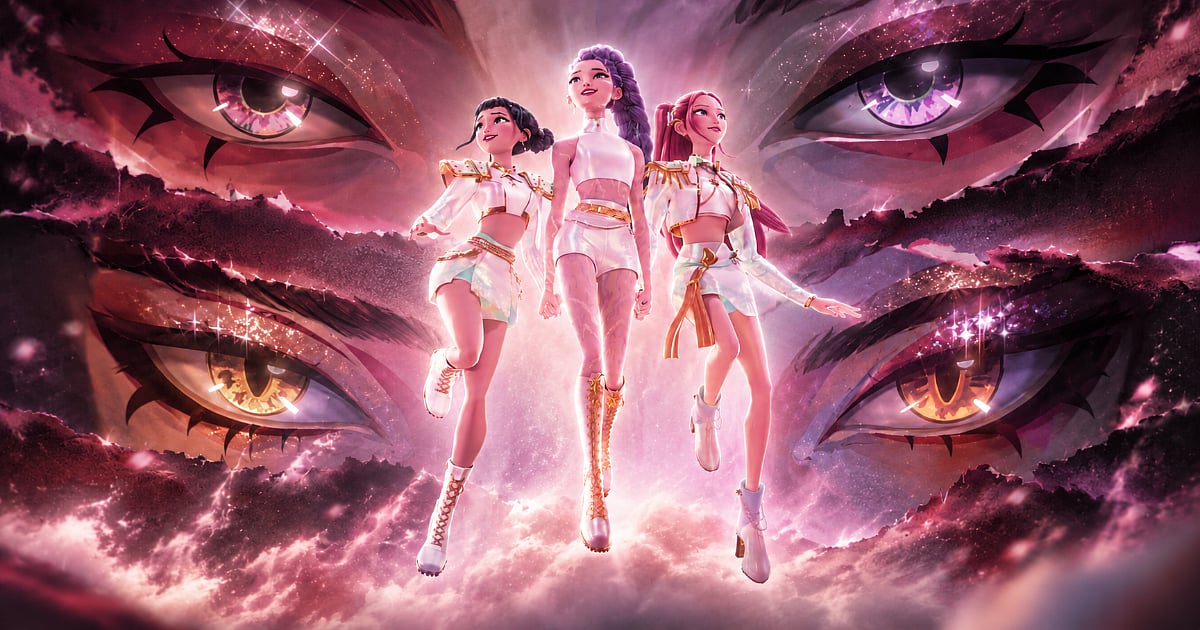
The AI didn't just translate lyrics; it used the singer’s vocal data to correct pronunciation to a native level and even generated a female vocal section for the track. Furthermore, HYBE launched Syndi8 in June 2024, a virtual pop group operating in a fictional universe called "Nansy Land," whose vocals are entirely generated by AI.

Syndi8
Competitors and Robot Idols Join the Race
Competitors are moving just as fast to catch up. SM Entertainment founder Lee Soo-man has long championed AI as a "partner" for the next phase of K-pop, famously predicting a world of robots and avatars back in the early 2010s. JYP Entertainment also joined the fray, rebranding its JYP360 subsidiary as "Blue Garage" in Dec 2024 to center on AI for artist development, with plans for dedicated AI idols announced in Sept 2025.
Meanwhile, YG Entertainment has taken a more calculated approach. Rather than developing tech in-house, they are partnering with proven tech-driven IP, such as handling distribution for the virtual group Plave.
Pushing the boundaries even further, Galaxy Corporation is developing humanoid robot idols capable of physical presence at live stages. At a recent startup conference, Galaxy CEO Choi Yong-ho even showcased a robot performing choreography to G-Dragon’s track Power.

Plave
Virtual Idols and Real Profits
The commercial viability of these non-human stars is no longer theoretical. The virtual boy group Plave, managed by Vlast, proved that fans will spend money on digital artists. Their album, Asterum: 134-1, sold over 560,000 copies in its first week, topping Melon’s Hot 100. The group has achieved unprecedented scale for a virtual act, selling out concerts at the Gocheok Sky Dome and drawing a total of 40,000 fans.
This success has fueled massive financial growth across the sector. According to Market.us research from 2025, the global AI music market was approximately $5.2 billion USD in 2024, with projections estimating a surge to $60.4B by 2034. This represents a Compound Annual Growth Rate (CAGR) of roughly 27.8%, signaling that investors are betting heavily on a future where automation drives entertainment.
However, this rapid digitization comes with a significant downside. As face and voice replication becomes accessible, deepfakes have become a major threat. A 2025 report by Security Hero found that 53% of individuals featured in deepfake pornography online are K-pop stars.
As industry hurtles toward this hybridized future, the definition of what it means to be an "idol" is being rewritten. The commercial triumph of virtual acts proves that fans are ready to embrace new formats, yet the rising tide of digital crimes highlights the urgent need for protective guardrails. K-pop has always been defined by its rapid evolution, and its next chapter will be determined by how well it can harmonize the soul of music with the efficiency of artificial intelligence.

Author
Krishna Goswami is a content writer at Outlook India, where she delves into the vibrant worlds of pop culture, gaming, and esports. A graduate of the Indian Institute of Mass Communication (IIMC) with a PG Diploma in English Journalism, she brings a strong journalistic foundation to her work. Her prior newsroom experience equips her to deliver sharp, insightful, and engaging content on the latest trends in the digital world.
Krishna Goswami is a content writer at Outlook India, where she delves into the vibrant worlds of pop culture, gaming, and esports. A graduate of the Indian Institute of Mass Communication (IIMC) with a PG Diploma in English Journalism, she brings a strong journalistic foundation to her work. Her prior newsroom experience equips her to deliver sharp, insightful, and engaging content on the latest trends in the digital world.




Related Articles