K-pop's new goldmine: The "Skin Economy"
NewJeans in PUBG, TWICE in Roblox: The Business of Virtual K-Pop
K-pop giants like HYBE and JYP are pivoting to the "skin economy," partnering with games like PUBG and Roblox to turn virtual assets into their most profitable product.

Highlights
- K-pop is pivoting to the "Skin Economy," prioritizing high-margin virtual assets over physical albums.
- Hits like NewJeans in PUBG prove that selling digital skins is now more profitable than selling music.
- Virtual items have evolved from simple marketing stunts into the industry's new primary revenue engine.
For the last decade, the K-pop industry has been playing a very specific game: sell the dream, and sell it physically. The formula was bulletproof. Agencies would release a catchy song, put it on a CD, pack that CD with random photocards, and watch the "collect 'em all" mentality drive millions in sales. But as we close out 2025, that game is changing fundamentally.
If you look closely at the balance sheets of entertainment giants like HYBE and JYP, the next massive revenue spike isn't coming from a Spotify playlist or a plastic disc. It is coming from V-Bucks, Robux, and Battle Points. Welcome to the "Skin Economy."
To understand why and how this pivot is happening, you need to look at the math of the modern music business. Streaming numbers look great on a press release, top groups like BTS and TWICE regularly attract over 25 million monthly listeners on Spotify or Apple Music, but they pay pennies on the dollar. A single stream pays a fraction of a cent. For a group to make real money, they need astronomical volume, and even then, the platform owns the customer data, not the label.
Simultaneously, the "physical album" model is hitting a wall. Between rising shipping costs and a massive environmental backlash against "bulk buying", where fans buy hundreds of albums just for the photocards and dump the plastic, the margins on physical goods are shrinking. This is where the pivot happens. The industry is moving from selling atoms to selling pixels.
The Zero Marginal Cost Miracle
The beauty of the Skin Economy lies in a concept economists call "zero marginal cost." Think about a physical lightstick, those glowing wands that fans wave at concerts. To sell one, a company has to manufacture it, box it, ship it across the ocean, store it in a warehouse, and hope it sells. After all that effort, the profit margin is maybe 15% to 20%. Now, contrast that with a "virtual lightstick" in Roblox or a dance emote in Fortnite.
The 3D model costs money to make once for the research and development. But the second unit? The millionth unit? It costs absolutely nothing to produce. It is pure code. Once the asset is live, every other single sale is almost entirely profit. When you sell a Fortnite skin bundle for roughly $20 (2,500 V-Bucks), the margin explodes to somewhere between 70% and 80%, depending on the revenue split with Epic Games. It is a smarter, cleaner, and vastly more profitable way to monetize fandom.

Pubg
Krafton’s Goldmine: Converting Listeners to Gamers
The most aggressive player in this space isn't a music label, but a game developer. Krafton, the South Korean giant behind PUBG: Battlegrounds, just posted record-breaking numbers for 2025, hitting KRW 870.6 billion in revenue. In their earnings report, they didn't mention a new game mechanic or a graphics update. They explicitly cited collaborations with NewJeans, Aespa, and G-Dragon as primary drivers for their massive growth. This wasn't just about slapping a logo on a t-shirt.
NewJeans integrated into the game with themed maps and performance stages, driving a massive increase in paying users. These were players who might never buy a tactical camouflage skin, but didn't hesitate to drop money to play as Hanni or Danielle. By converting music fans into gamers, Krafton unlocked a completely new layer of spending power.
JYP and the Gen Alpha Strategy
While shooter games target an older demographic, JYP Entertainment went straight for Gen Alpha with "Twice Square" in Roblox. This isn't a temporary marketing stunt; it is a persistent virtual world, and the metrics here destroy traditional social media engagement. Twice Square has seen over 85.3 million daily active users, with an average of 12 minutes per session, an eternity in the attention economy.
The monetization here is micro-transactional but massive in volume. The "Twice Feels" emote, a digital character animation of the group's choreography, sold nearly 2 million units. Even at a low price point of around $1.25, that represents millions of dollars in revenue generated from a single animation file.
A virtual meet-and-greet event in the space saw 33,000 concurrent users and over 300,000 total visits, roughly two sold-out arenas gathering in a server with zero venue rental costs and zero security staff expenses.

Roblox
From Marketing Stunt to Core Product
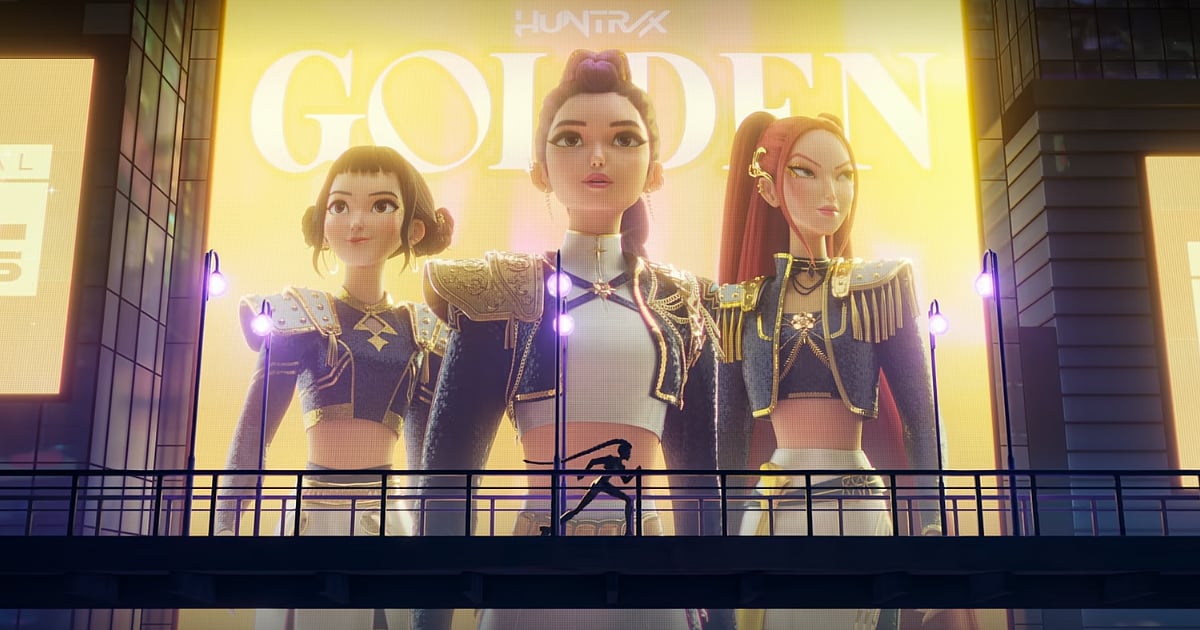
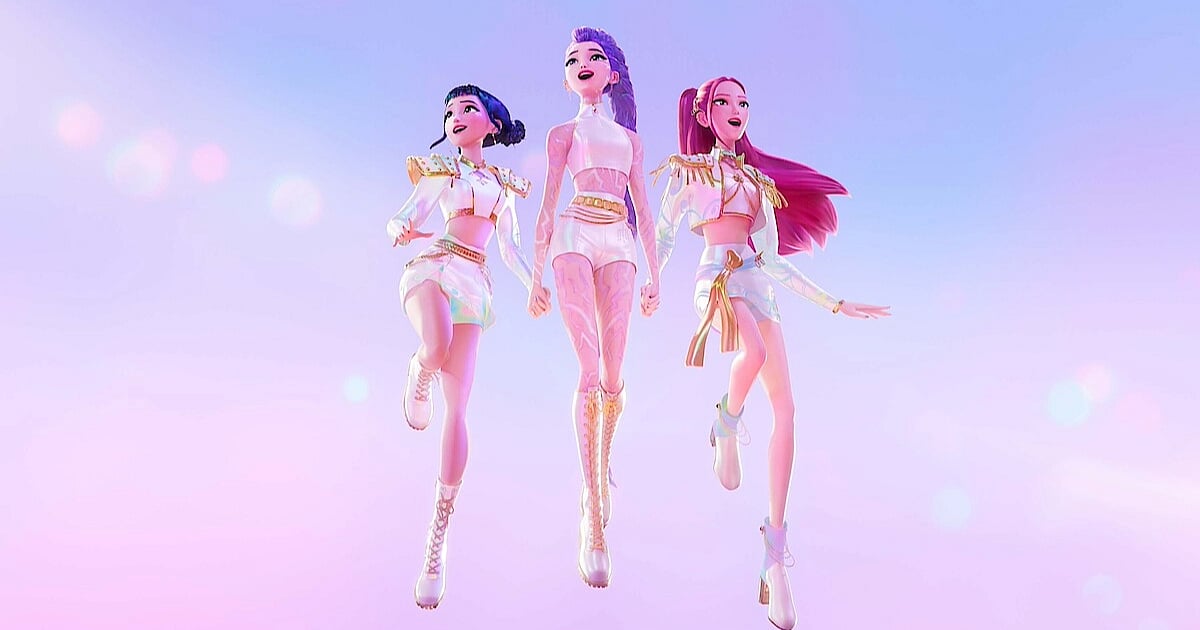
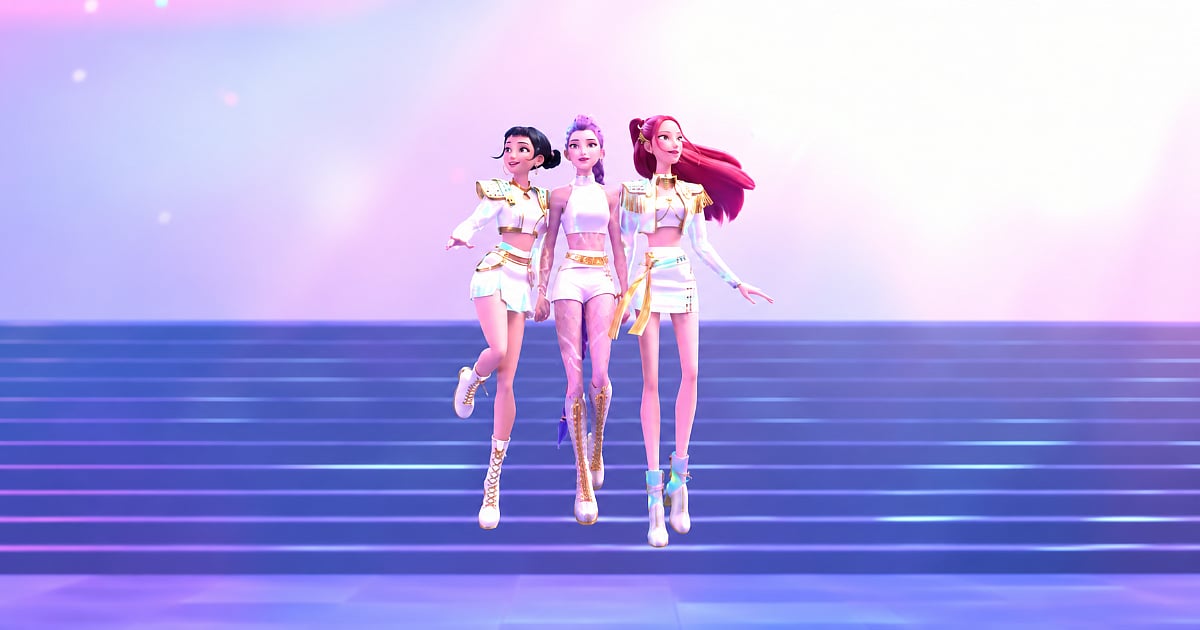
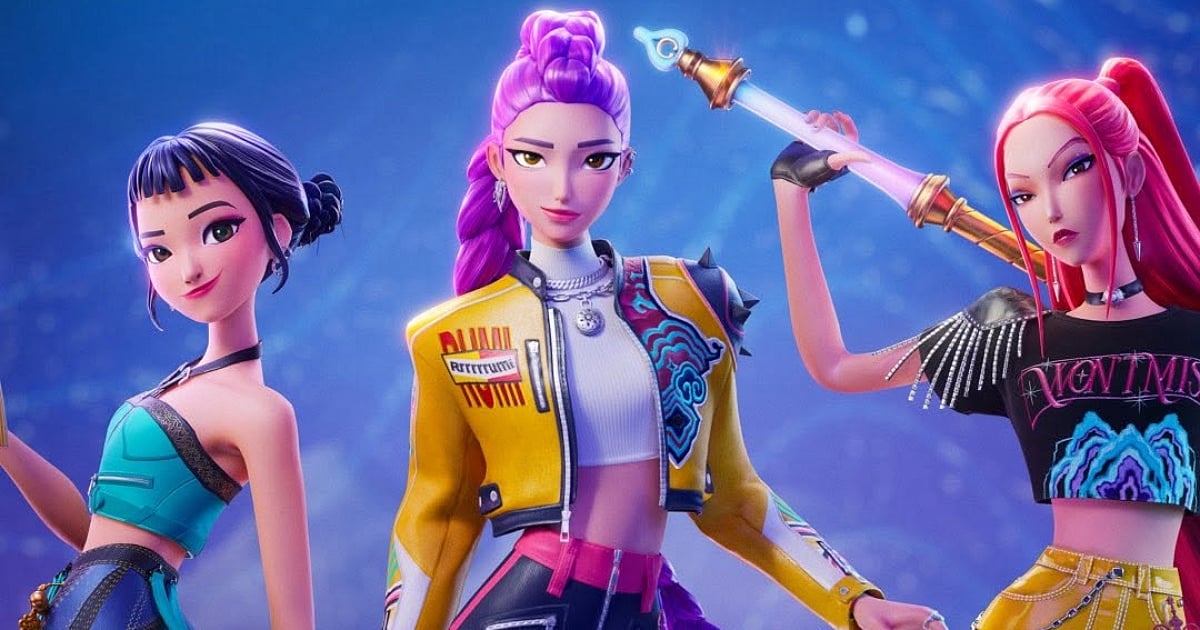
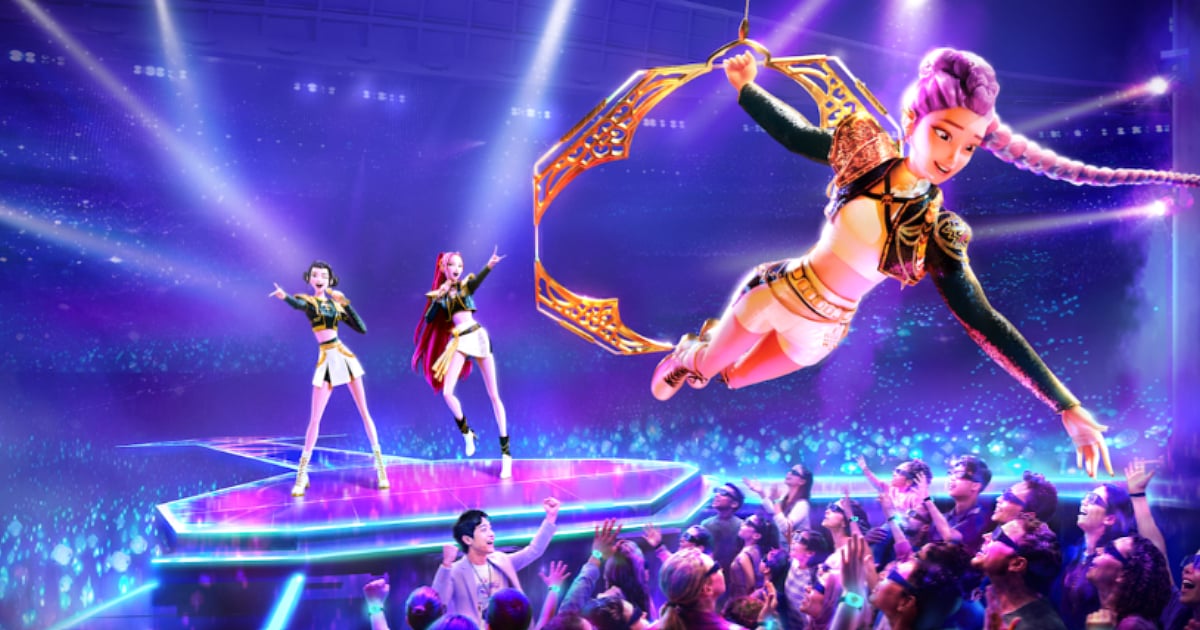
We are witnessing the final stage of a long evolution involving players across the entire industry. Back in 2018, when Riot Games launched K/DA (a virtual girl group in League of Legends), it was seen as a brilliant marketing stunt to sell skins to gamers.
By 2020, when BTS debuted the "Dynamite" choreography in Fortnite, it was a promotional event, a music video premiere designed to drive views back to YouTube. Even Blackpink’s massive "The Virtual" concert in PUBG Mobile in 2022, which drew 15.7 million viewers, was largely an event-based spectacle.
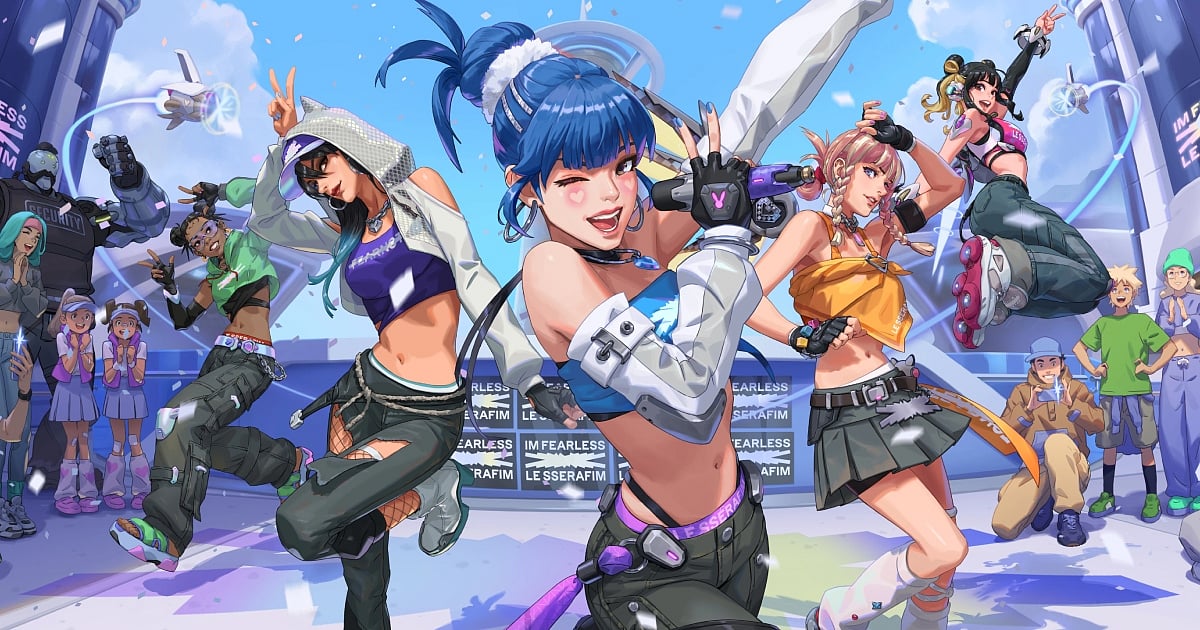
In 2025, the script has flipped. It is no longer marketing; it is the product. We now see groups like ITZY collaborating with Pokémon to capture Nintendo's family-friendly demographic, while Le Sserafim has fully integrated into Overwatch 2.

Fortnite
The Le Sserafim collaboration went beyond a simple song; it included a full "Fearless" legendary skin bundle and custom victory poses, selling high-value digital assets directly to avatars. When Lisa of Blackpink headlines the Fortnite Festival as an "Icon," she isn't just promoting a song; she is selling a permanent digital identity.
The K-pop industry has realized that the modern fan doesn't just want to listen to the music; they want to wear it. In a world where digital identity is everything, the $20 skin is the new platinum record. The "Skin Economy" has evolved from a niche monetization tactic into a primary revenue engine for global entertainment.
As we move deeper, the most valuable real estate for a musician is no longer a spot on the Billboard Hot 100 or a shelf at Target; it is the item shop in Fortnite, the avatar catalog in Roblox, and the battle pass in PUBG. For agencies, the message is clear: if your artist doesn't have a 3D asset strategy, they are leaving millions on the table. The future of fandom isn't something you can hold in your hand, but something you equip in a virtual lobby.

Author
Krishna Goswami is a content writer at Outlook India, where she delves into the vibrant worlds of pop culture, gaming, and esports. A graduate of the Indian Institute of Mass Communication (IIMC) with a PG Diploma in English Journalism, she brings a strong journalistic foundation to her work. Her prior newsroom experience equips her to deliver sharp, insightful, and engaging content on the latest trends in the digital world.
Krishna Goswami is a content writer at Outlook India, where she delves into the vibrant worlds of pop culture, gaming, and esports. A graduate of the Indian Institute of Mass Communication (IIMC) with a PG Diploma in English Journalism, she brings a strong journalistic foundation to her work. Her prior newsroom experience equips her to deliver sharp, insightful, and engaging content on the latest trends in the digital world.

Related Articles