Turning height into business: The rise of the informal platform-shoe rental market on social media.
K-Pop’s Height Race Becomes a Risky Business
Social media has turned concert visibility into a commerce opportunity, but the platform-shoe arms race in standing zones is raising safety and fairness questions across the live-music industry.

- A K-pop concert visibility "hack" has evolved into an informal platform-shoe rental economy propelled by social media interest.
- The height race is causing safety concerns, with fears that unstable footwear in congested standing areas can cause crowd injuries.
- The dispute highlights a larger industry issue where unrestricted standing areas force spectators to compete for sightlines rather than venues improving visibility design.
What began as a popular trick to improve sightlines at K-pop concerts has grown into an organized online rental market for extreme platform shoes. The trend addresses the vertical disadvantage shorter fans face, but it has also opened a contentious debate about crowd safety and fairness in general-admission standing zones.
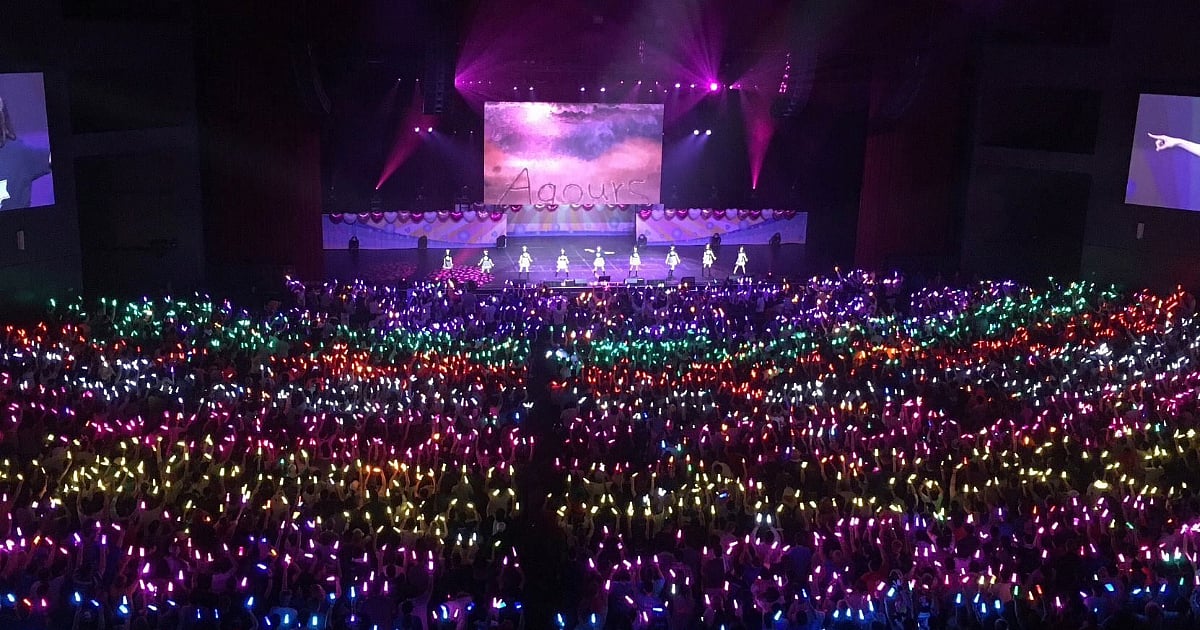
At large arena shows in South Korea and on worldwide tours, concertgoers are adding 10 to 20 centimeters (roughly 4 to 8 inches) to their height to see past a wall of heads and lightsticks. The escalation is fed by social media threads on X, where users post recommendations on the "minimum effective height" for specific venue sections and rate different platform shoe brands.
A Cottage Industry on Social Media
The demand has spawned a niche micro-commerce sector. Fans now list their own platform shoes for rent, sorted by heel height and shoe size, and accept bookings tied to specific concert dates.
Unlike conventional e-commerce, what The Korea Times has called a "cottage industry" runs informally through direct messages and public posts. Most listings lean on a simple sales pitch: in a packed standing area, only added height guarantees an unobstructed view of the stage.
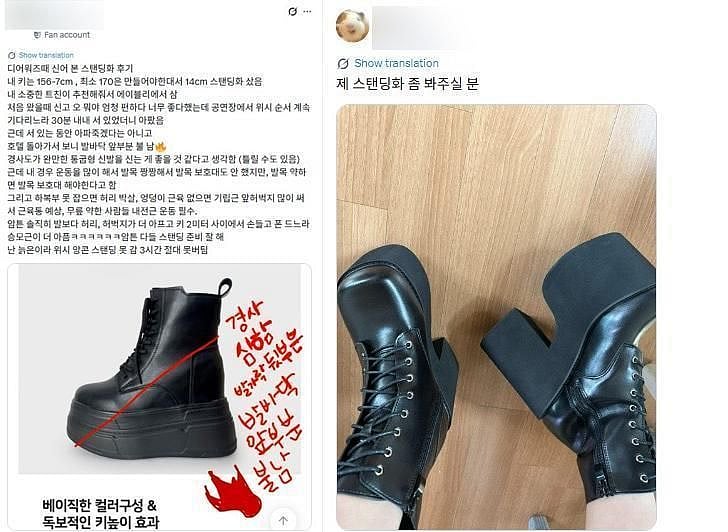
Image Credit: Korea Times
The "Domino Effect" and Physical Risks of the Platform Shoes
Not everyone sees the trend as a harmless workaround. Fan accounts circulating online describe falls from wobbly platforms that led to chipped teeth, blood, and severe foot pain.
In tightly packed sections, one person losing balance can trigger a chain reaction. Critics warn that this "domino effect" raises the probability of larger crowd incidents. They also point out that towering soles block the view for average-height attendees, fueling calls for organizers to cap heel height or ban extreme footwear altogether. Recent concert disputes in the K-pop space have only intensified this conversation around etiquette and crowd management.
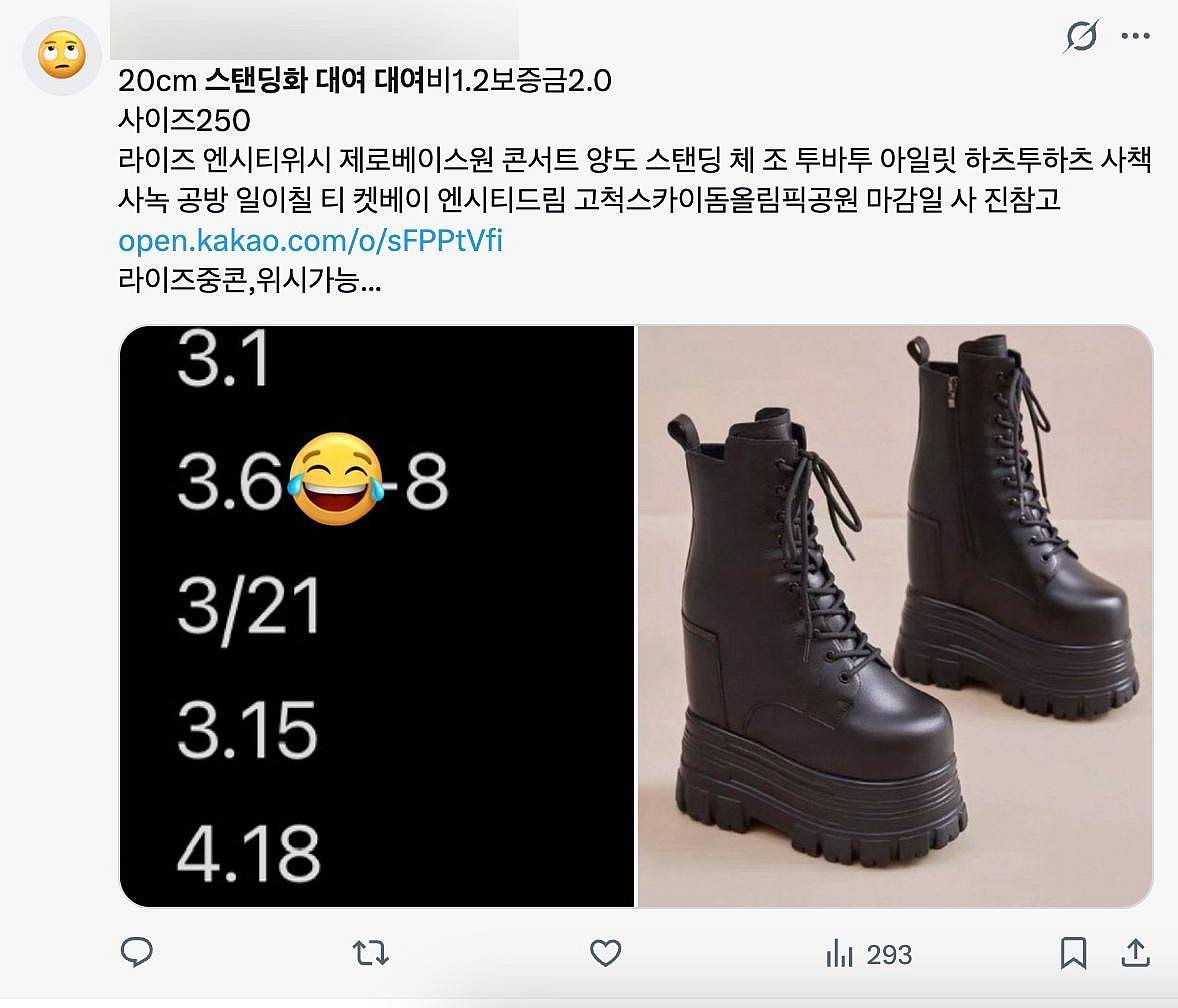
Image Credit: Korea Times
The ideological split is sharp. Supporters call platform shoes an equalizer for shorter fans who would otherwise stare at the back of someone's head, a raised phone, or a lightstick. Opponents counter that individual fixes should not compromise collective safety.
Market reality and industry perspective
The fan-experience divide is a small-scale version of broader tensions in the live-music business. As high-demand tours push into 2026 with ticket prices climbing sharply over the past decade, standing areas remain a major revenue driver and remain largely unregulated. The absence of a global footwear standard has turned the concert floor into a literal arms race for height. A basic courtesy question (lower your sign so the person behind you can see) has ballooned into a structural argument about how venues are designed.
Concert etiquette disputes are not new, and K-pop is no outlier. Complaints on overseas tours have long focused on portable objects blocking views at large-scale shows, a pattern that repeats across markets. With South Korea now planning state-backed K-pop events, the scrutiny on how live experiences are organized will only grow.
Until the industry addresses these visibility problems at the venue level, fans will keep improvising. They will lean on DIY attire "hacks" and expanding informal rental markets to reclaim their line of sight. No systematic data exists on how widespread height-boosting footwear has become, but the speed at which this micro-economy has grown suggests that in the most crowded live-entertainment settings, the fight for a clear view is becoming as competitive as scoring a ticket in the first place.

Author
Diya Mukherjee is a Content Writer at Outlook Respawn with a postgraduate background in media. She has a passion for writing content and is enthusiastic about exploring cultures, literature, global affairs, and pop culture.

Related Articles