




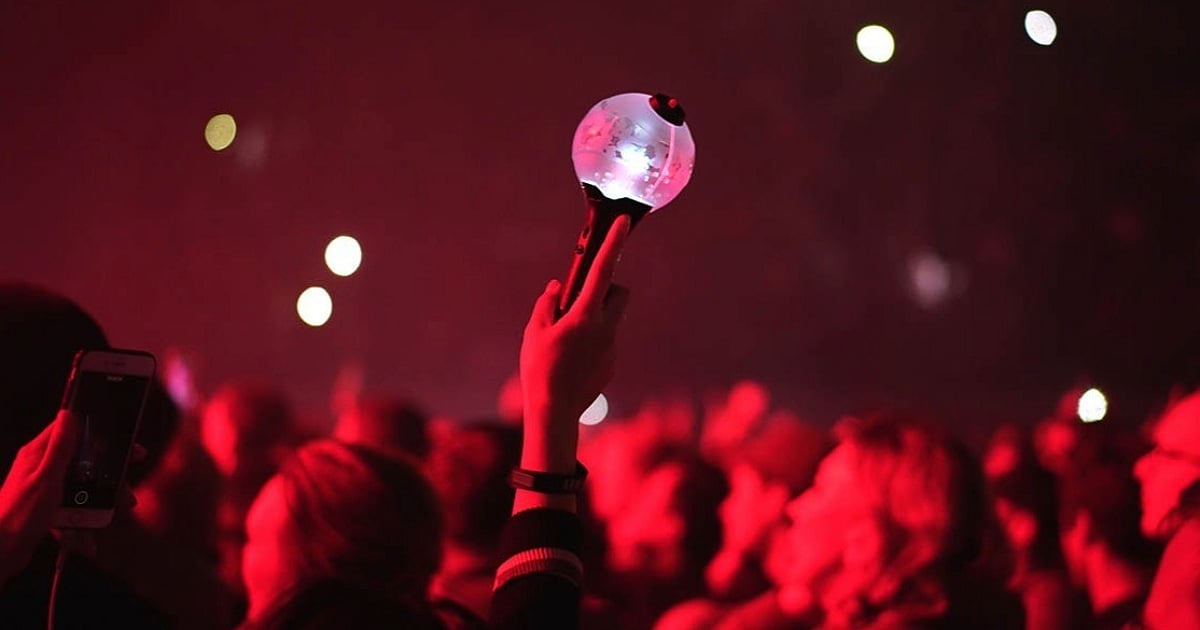
K-pop 2027: Seoul's new state-backed national festival roadmap.
South Korea to Launch State-Backed K-Pop Festival in 2027
Seoul leans on spectacle and strategy, using K-pop as cultural leverage as sales soften and global momentum faces new obstacles.

- The government is planning a national K-pop festival for late 2027 as an official extension of its cultural agenda.
- The state-sponsored BTS return concert scheduled for March 2026 in Gwanghwamun is an early indication of this direction.
- The coordinated timing raises concerns about falling sales and halted expansion in China.
K-pop will take the center stage in a national festival set to launch in South Korea by the end of 2027. The Ministry of Culture, Sports, and Tourism announced this week that the effort aims to raise Korean music's visibility on the global stage while also connecting it to the country's larger cultural output and increasing its soft power worldwide.
Culture Minister Chae Hwi-young, informed reporters that the festival will be an all-industry event with artists from every major Korean agency. He stated that the late 2027 initiative will be directed by the Presidential Committee on Popular Culture Exchange, which Minister Chae Hwi-young co-chairs with Park Jin-young (of JYP Entertainment).
According to Korea JoongAng Daily, the committee, which was formed in October 2025, is “discussing holding various K-culture-related events at concert venues overseas where K-pop artists are scheduled to hold concerts.” As said by the Culture Minister, “It could be something like Korea House, Korea Arena, or Korea Stadium.”
Govt. Backing BTS Comeback and Their Gwanghwamun Show
In addition to the upcoming K-pop festival, the government, along with HYBE are also preparing for the historic free BTS performance in March 2026 at Seoul's Gwanghwamun Square. The performance will formally solidify the group's comeback with their fifth studio album, Arirang. The event will be live-streamed to millions of people across the world on Netflix, with the Seoul City Government agreeing to be the official sponsor. The performance, as well as BTS’ comeback, is expected to cumulatively enhance the country's and its capital city's economies.
As part of a larger cultural presentation, the performance is expected to combine national heritage and contemporary pop culture. Officials regard it as a strategic endeavor to boost worldwide demand for K-pop at a time when physical album sales and other cultural exports are decreasing.
BTS Arirang Album Cover
China’s Unofficial Korean-Wave Ban: Slow Thaw
Despite diplomatic efforts, China's prolonged unofficial ban on Hallyu content since 2016-17 continues to impede market access. Signs of reconciliation emerged with President Xi Jinping's 2025 visit to South Korea for the Asia-Pacific Economic Cooperation and the initial announcement of a Dream Concert in China's Hainan region, which might be the first major K-pop event in years.
The concert was eventually canceled mere weeks before its planned date, revealing how tight permit regulations and performance policies continue to restrict Korean material in China. The delay occurred despite customs data showing China re-emerging as a major market for physical K-pop album exports.
K-Wave or Hallyu’s Economic Footprint
Cultural exports continue to support South Korea's soft-power economy as global demand for Korean material grows in a variety of media. According to Statista, data from the Bank of Korea show that intellectual property exports, encompassing music, games, and audiovisual content, hit a record $9.85 billion USD in 2024, with video games topping conventional music exports.
Nationwide cultural export figures, comprising music, television, cinema, and fashion, have risen a bit, indicating continued global demand. However, 2024 saw the first significant reduction in K-pop physical record sales in a decade, as well as a decline in fan participation. These factors raise the stakes for government-led projects such as the 2027 festival.
Therefore, this backdrop collectively represents a greater transformation in how Seoul presents its culture on the global stage. These events, taken together, indicate a goal to integrate national identity with global entertainment trends while also improving South Korea's long-term cultural diplomacy.
Author
Diya Mukherjee is a Content Writer at Outlook Respawn with a postgraduate background in media. She has a passion for writing content and is enthusiastic about exploring cultures, literature, global affairs, and pop culture.