




South Korea cracks down on contract opacity and harsh schedules of K-pop trainees.
As K-pop Expands Globally, Labor Concerns Grow
The K-pop model’s global rise intensifies concerns over child trainees, unchecked digital labor, and expanding gaps in artist protections.

Highlights
- Studies find K-pop trainee systems to be scrutinized over harsh contracts and labor abuse.
- To combat such issues, South Korea launched new rules in 2026 while also improving trainee protections and contract transparency.
- Experts signal that K-pop’s digital platforms offering fan-services are introducing newer forms of creative labor exploitation.
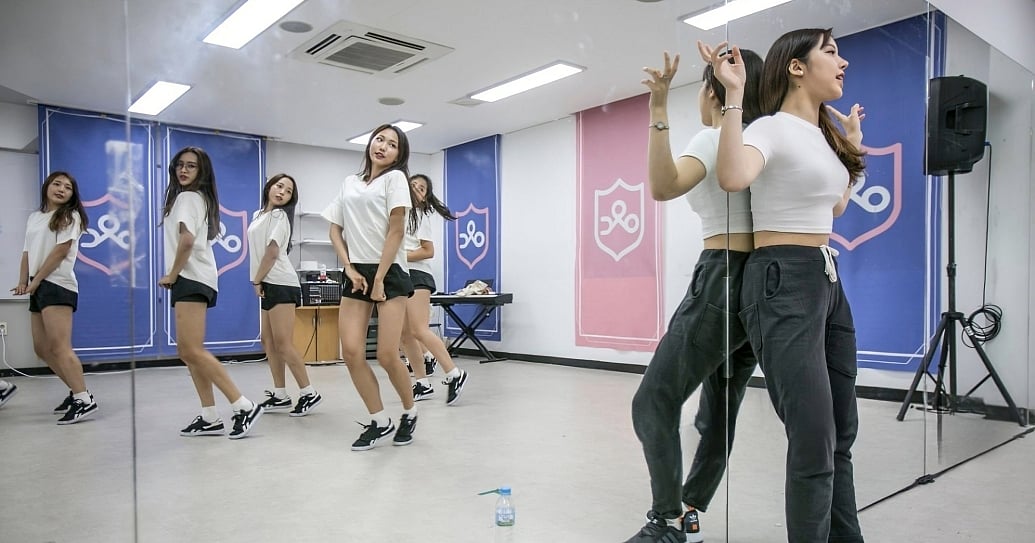
The massive global expansion of K-pop has been reshaping the current international music market, however, behind the flawless choreography on stage lies an operational machinery which is highly restrictive. A recent study published in The Regulatory Review (A Publication of the Penn Program on Regulation) revealed how contract issues, tough training periods, and strict behavioral oversight have reached a breaking point. This has, in turn, compelled the stakeholders to completely renegotiate labor laws, wage structures, and rights for these artists, as many performers are signed as minors, with severe power imbalances defining their early careers.
K-pop Trainee Contract Revisions: New Dawn in the Industry?
Since acknowledging these issues, the South Korean government has attempted legal intervention. Notably, revisions to the Popular Culture and Arts Industry Development Act took effect on January 1, 2026, which mandated standard contracts for industry trainees. These new revisited regulations aim to bolster transparency regarding payouts and mental health safeguards as these trainees develop into major revenue driving performers for their agencies.
Nevertheless, the study from The Regulatory Review observes enforcement to be uneven. Reportedly, by identifying performers as independent contractors instead of employees, top agencies have the leverage to legally avoid minimum wage mandates and collective bargaining rights, which are standard labor laws as defined by The International Labour Organization. The sidestepping of such rules could allow companies to pay these “entities” below the standard wage floor while preventing them from formally negotiating their pay, benefits, or working conditions as a group.
These loopholes could particularly affect vulnerable, young trainees. Researchers Jin Lee, Tama Leaver, and Crystal Abidin from Curtin University, in their study, warn of agencies that have manufactured a “child idol” system, where recruiting children as young as eight under such confining contracts cannot be adequately policed via the current frameworks.
Additionally, Neville Yip from the Stamford American School of Hong Kong argues in his research that these minors are often misclassified as unprotected “interns,” which limits their legal protections. Therefore, silenced by strict cultural hierarchies, these trainees face corporate self-policing, which resists reform. Yip suggests that regular, yet surprise audits and mandated legal representation could be used to protect them.
The Digital Exploitation of K-pop Idols
Amidst these patterns, the virtual commodification of the artists themselves arises as a separate, yet related issue. Scholars Sanghwa Lee and Robert Prey highlight in an article how subscription-based apps like Bubble turn personal fan interactions into obligatory, supervised paid labor. This platform-driven exploitation further reflects a wider creative crisis. According to the International Labour Organization’s Drew Gardiner, digital platforms providing access to a greater number of artists are also creating labor oversupply and income instability. Frameworks such as these often add inequities via “unfair” monetization algorithms that aim at vulnerable groups, including LGBT creators, by labeling their content to be of a certain kind.
Global Expansion of K-pop’s Creative Labor Model Brings Scrutiny?
As the K-pop model spreads globally, the issue between economic export value and basic human labor rights has transcended from being just a South Korean issue. This model has allegedly become a modern showcase for creative exploitation, which is also visible in emerging creative markets such as social media content creation and esports. All of these issues are now challenging global policymakers to fine-tune the algorithmic and corporate control before such trends become an industry standard worldwide.
Author
Diya Mukherjee is a Content Writer at Outlook Respawn with a postgraduate background in media. She has a passion for writing content and is enthusiastic about exploring cultures, literature, global affairs, and pop culture.

Related Articles