




Riot Games has turned cultural preservation into lasting brand and market influence.
Riot Games' Long Bet on Korea's Cultural Heritage
The company's involvement reaches beyond gaming and esports, leaving an enduring mark on South Korea's cultural landscape.

Highlights
- Gaming giant, Riot Games, has become one of South Korea's biggest private supporters of cultural preservation.
- The company has helped recover rare Korean artifacts from overseas countries while weaving national heritage onto League of Legends players.
- The entity's preservation strategy shows how global brands can turn cultural investment into long-term market influence.
American video game developer, and League of Legends creator Riot Games has become one of the largest corporate guardians of South Korean cultural heritage. By December 2025, the gaming entity became the first private enterprise to surpass ₩10 billion (~ $6.7 million USD) in total contributions to the state-run Korean Heritage Guardians program.
Since launching its South Korean operations in 2011, the California-based company has bypassed traditional corporate social responsibility models. It utilized its massive gaming footprint to finance the active repatriation and conservation of the country’s ancient history.
Recovering State Treasures From Auctions
The cornerstone of Riot Games’ initiative centers around the high-profile recovery of lost national assets. By partnering with the Overseas Korean Cultural Heritage Foundation, the organization had paid for the repatriation of seven major overseas artifacts by February 2025.
Among the recovered works is the Joseon-era "Korean Sakyamuni Triad Painting." The painting was displaced during the Japanese colonial period, and resurfaced at a New York auction in 1944, where it was sold after the U.S. government confiscated Japanese-owned assets during World War II.
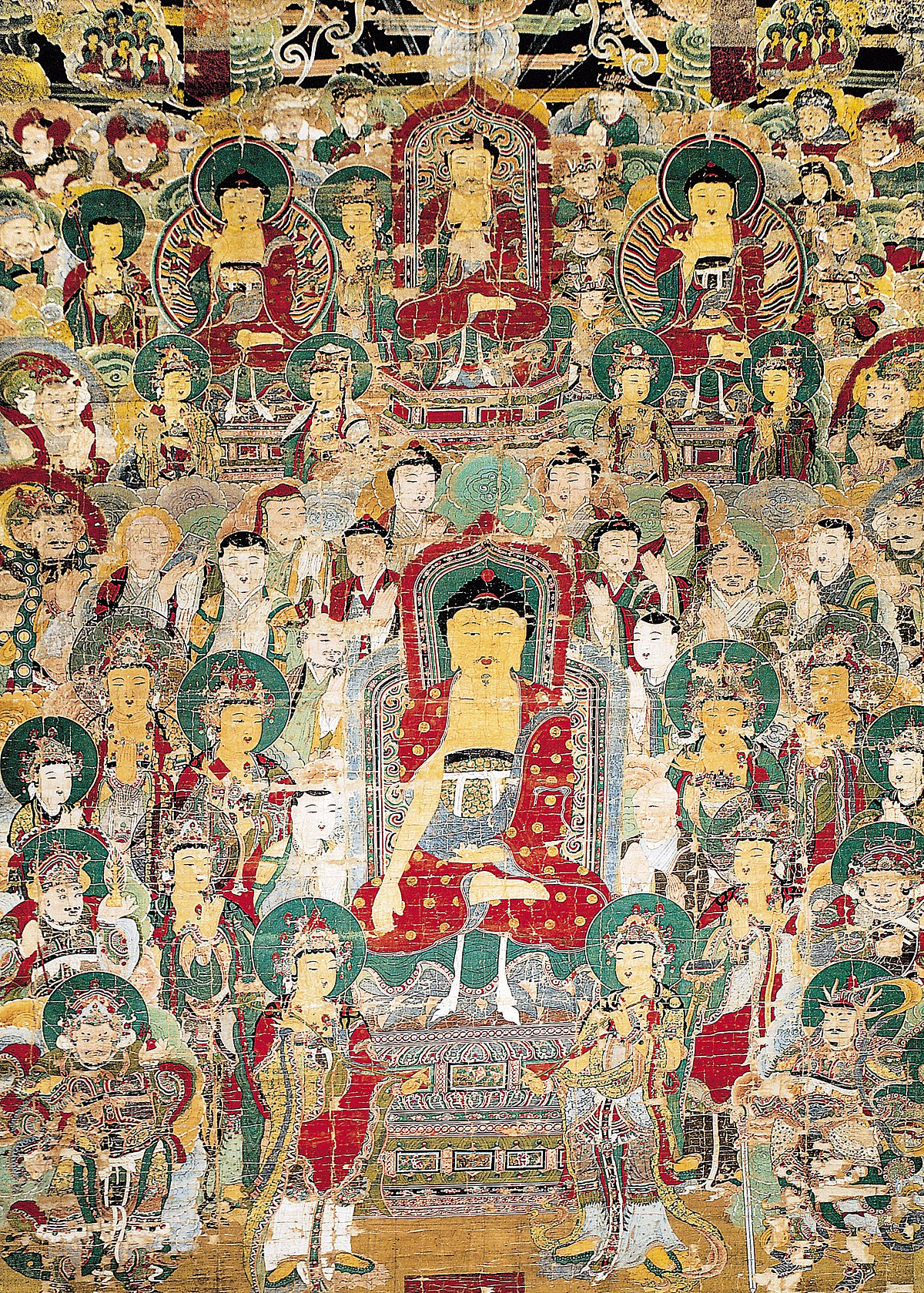
Korean Sakyamuni Triad Painting (Image Credit: NATIONAL MUSEUM OF KOREA)
Riot Games financed its return in 2013; however, the painting was officially repatriated and revealed in Korea in January 2014. This move marked a first for a foreign company that financed a South Korean state repatriation project. The company also secured a rare 2019 German auction acquisition of a Joseon woodblock and an 1819 bamboo royal investiture book, which the South Korean government officially labeled as a state treasure in 2023.
Fusing Ancient History with Esports
Riot has effectively translated these historical preservation ventures into its virtual ecosystem. To mark Korea's Hanbok Day, the developer partnered with four National Intangible Cultural Heritage artisans alongside contemporary painter Lee Dong-yeon to reimagine Korea’s traditional attire.
The project showcased bespoke hanboks designed for League of Legends characters and champions Ezreal and Ahri. Notably, Ahri's design was directly inspired by the Korean gumiho, a mythical nine-tailed fox. The campaign reportedly earned Riot the Hanbok Appreciation Award from the Ministry of Culture, Sports and Tourism, South Korea, in 2021, for promoting hanbok culture.
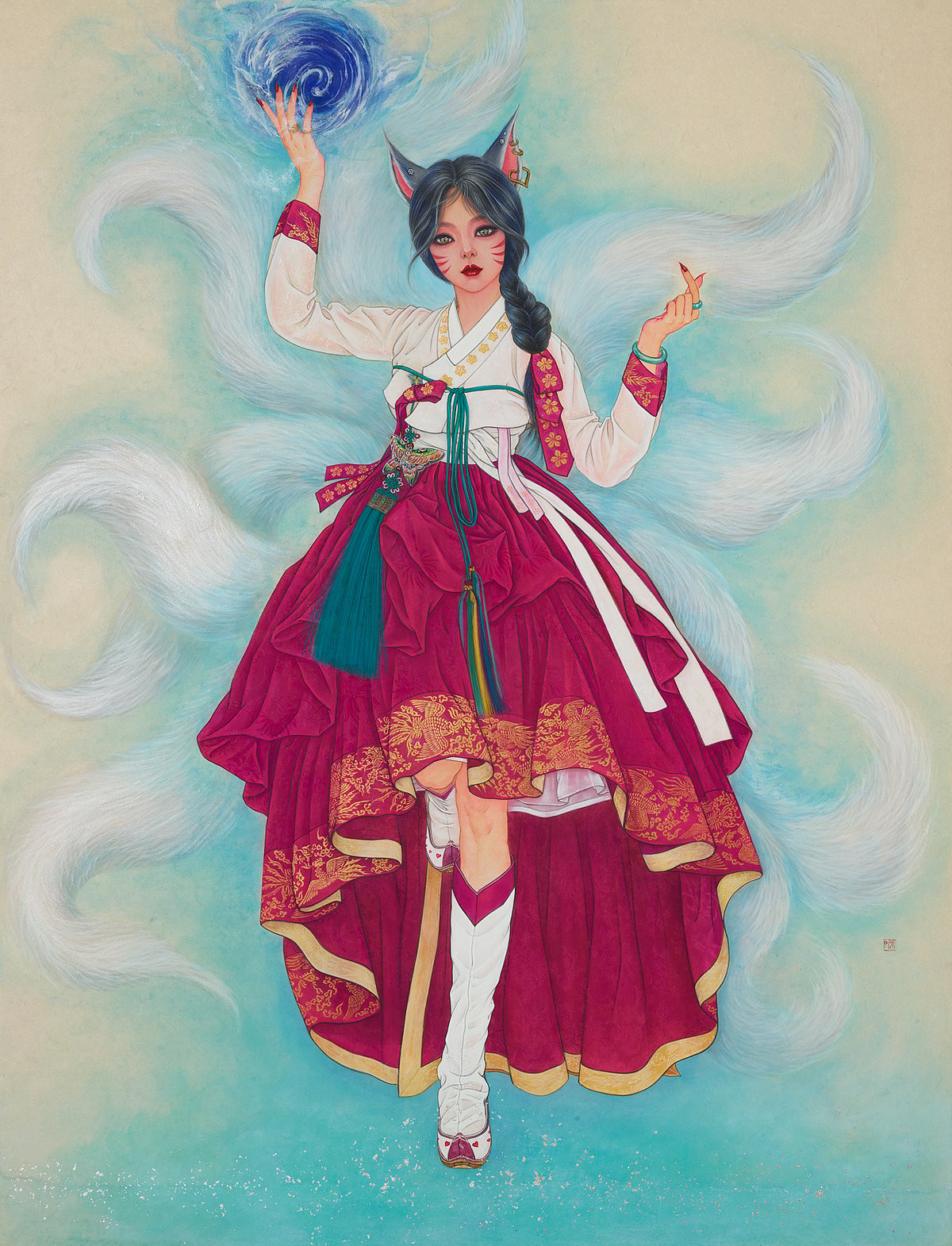
League of Legends character 'Ahri' in Hanbok. (Image credit: Riot Games, Reddit)
Riot Games Physical Preservation Venture
Beyond its modern take on Korean culture, Riot’s funding expands to physical preservation. The company reportedly also financed the restoration of modernist writer Yi Sang’s former residence in Seoul, along with the Old Korean Legation in Washington, D.C., which now serves as a museum documenting early Korea-U.S. diplomatic relations.

The Old Korean Legation in Washington, D.C., before restoration (left) and its exterior following the completion of restoration work (right). (Image Credit: Riot Games, The Korea Herald).
By anchoring its brand to the protection of domestic history, the gaming giant has set up a new example. They showcased how global entertainment organizations can protect the cultural roots of their most lucrative markets, to maintain long-term impact.
Author
Diya Mukherjee is a Content Writer at Outlook Respawn with a postgraduate background in media. She has a passion for writing content and is enthusiastic about exploring cultures, literature, global affairs, and pop culture.



Related Articles