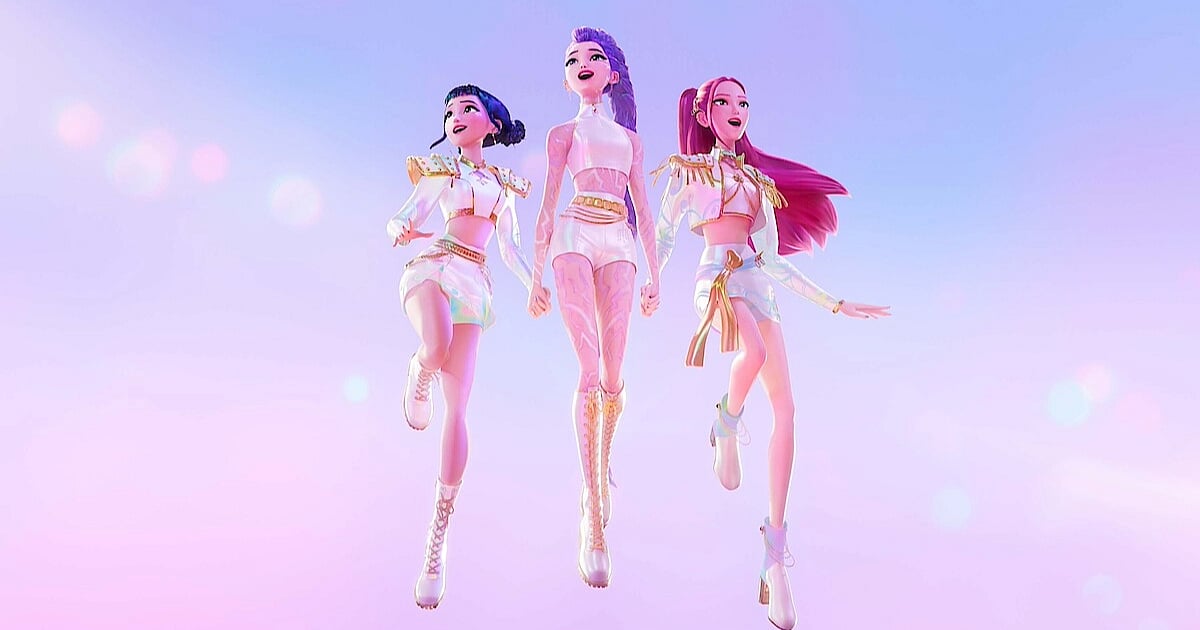





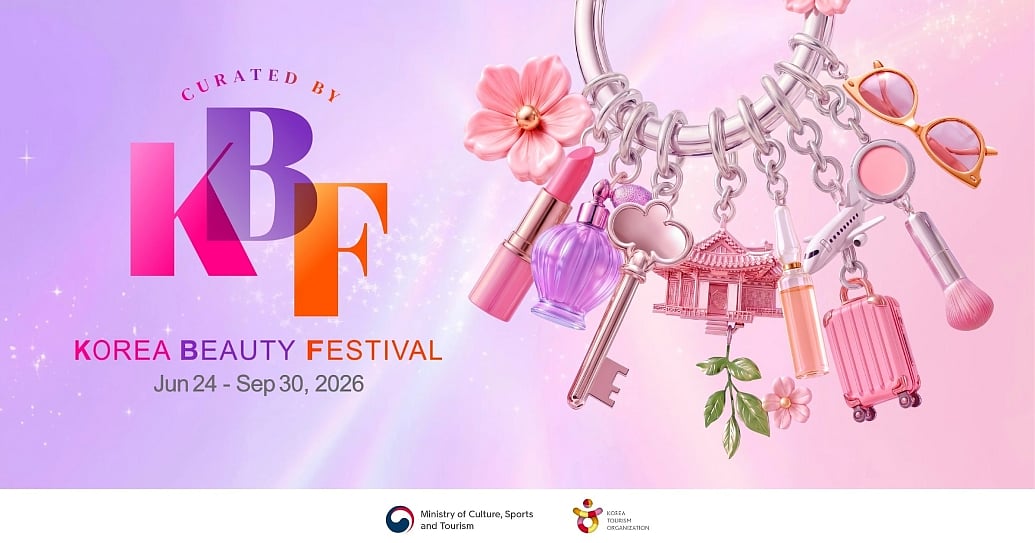
International visitors experience AI personal color analysis and idol-style makeup trends at the 2026 Korea Beauty Festival in Seoul.
How South Korea is Turning K-Beauty Into Its Biggest Growth Engine
South Korea is turning K-beauty into a national growth strategy, betting global fan demand can deliver far more than cosmetic sales.

Highlights
- South Korea is betting big on K-pop-inspired beauty, aiming to turn global fandom into a powerful economic booster.
- A new state-backed strategy aims to convert Korean beauty into a long-term engine pushing tourism growth.
- As K-culture expands, a much bigger initiative to integrate K-beauty as a core growth industry is revealed.
South Korea is re-engineering its cultural export strategy, utilizing the global obsession with K-pop aesthetics to bolster a massive tourism expansion. The Ministry of Culture, Sports and Tourism and the Korea Tourism Organization (KTO), announced the 2026 Korea Beauty Festival in Seoul on June 23, 2026, with the festival officially opening in Seoul on June 24. This marked the first major initiative since the government actively expanded its economic blueprint for cultural exports.
How K-Beauty Tourism Fits South Korea's $260B Cultural Export Strategy
The K-Beauty festival represents a strategic pivot from selling consumer cosmetics to exporting experience-based tourism, an authentic social media trend the KTO terms a “glow-cation.” It comes weeks after Seoul grew its definition of the “K-Culture market” to include inbound tourism, food, and fashion, increasing its 2030 market valuation target to ₩400 trillion (~ $260B). To achieve that goal, an annual growth rate of 9% is essential from current ₩274T (~ $178B) baseline, placing huge pressure on the beauty sector to transform digital fandom into physical travel, as reported by The Seoul Economic Daily.
K-Beauty Tourism Demand Drives Seoul's Experience Economy
The economic data signals that the demand for K-Beauty exists. As per data from Korea Tourism Data Lab, foreign visitors spent ₩843.3B (~ $548M) on South Korean beauty services last year. This marks a 38% year-over-year surge in the sector that includes dermatology, hair styling, and wellness spas.
To translate these decentralized purchases into systematic GDP growth, the KTO has been directly managing the campaign, thereby streamlining operations from earlier multi-agency architectures. The state is trying to close the gap between industry stakeholders and consumers via a specialized travel mart in Seoul. The event brings together travel operators from 16 countries to create roughly 100 trip itineraries centered around K-beauty. Simultaneously, nine global online booking platforms, including Klook, Trip.com, and others, have launched campaigns with 800 curated beauty trips till September 30.
On the consumer front, the 2026 Korea Beauty Festival has reformed Seoul's HiKR Ground into a tech-driven experiential hub with features like AI personal color diagnosis and idol-style makeup tailoring. To drive global traffic, the KTO appointed actress and singer Hyeri as the promotional face of the campaign.
Why South Korea Is Making K-Beauty a Long-Term Economic Pillar
The state's long-term play is to lock in beauty as a macroeconomic pillar alongside entertainment and technology. As noted by the Seoul Economic Daily, Kang Jung-won, head of the Culture Ministry’s tourism policy office, said, "K-beauty has gone beyond a simple cosmetics industry to become cultural content representing the Republic of Korea." It seems that the government's aim is to guarantee the sector sets itself up as a core resource driving inbound tourism numbers for the upcoming days.
Author
Diya Mukherjee is a Content Writer at Outlook Respawn with a postgraduate background in media. She has a passion for writing content and is enthusiastic about exploring cultures, literature, global affairs, and pop culture.


Related Articles