




Highlights
- Slay the Spire 2 dominated March with 4.6 million sales and a record-breaking Steam peak.
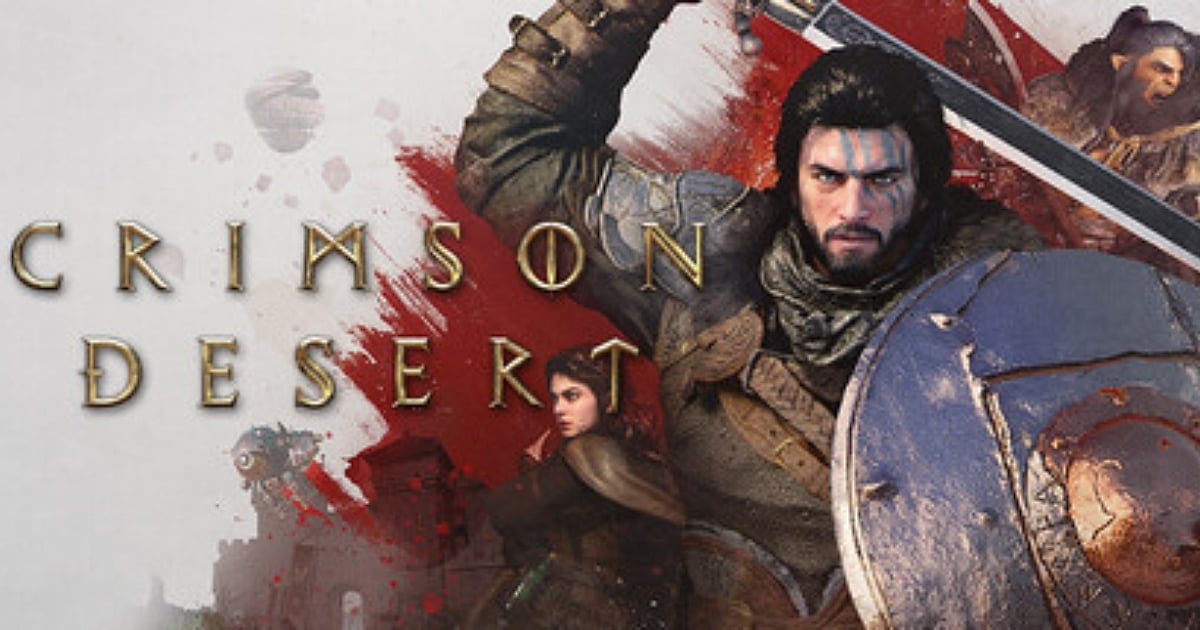
- Crimson Desert sold 2 million units but faced a 30% stock drop with mixed reviews.
- While the indie hit holds top ratings, Pearl Abyss is patching Crimson Desert for a long-term recovery.
March was supposed to be a month dominated by high-end, big-budget graphical showcases, headlined by Pearl Abyss’s highly anticipated open-world RPG, Crimson Desert. Instead, an indie deck-builder quietly stole the show and completely reset expectations. Slay the Spire 2 didn't just beat the AAA heavyweight but decimated it in nearly every meaningful metric, proving that the gaming community's appetite for pure, tightly polished gameplay is stronger than ever.
Let's look at the numbers. Mega Crit released Slay the Spire 2 into Early Access on March 5, and it quickly went nuclear. Analysts estimate the sequel sold a staggering 4.6 million copies in its first two weeks, pulling in around $92 million at a modest $25 price point. It reached an astonishing all-time peak of 574,638 concurrent players, comfortably taking the crown for the biggest Steam launch of 2026 to date.
Its staying power is equally impressive, maintaining a peak of 463,795 players just this past Sunday. Day-to-day, the indie darling is holding onto fourth place for daily active players, sitting just behind the perennial multiplayer trio of Counter-Strike 2, PUBG, and Dota 2 as per Polygon.
Steam
Crimson Desert’s Strong But Overshadowed Debut
By comparison, Crimson Desert had a very strong debut, but one that ultimately felt overshadowed by its own inflated hype cycle. Releasing on March 19, the sprawling RPG sold more than 2 million copies within a day. It hit a peak of 248,530 concurrent players on its launch Sunday, which makes it Steam's 67th highest of all time and the third-biggest launch of 2026—sitting behind Slay the Spire 2 and Resident Evil Requiem, which peaked at 344,214 players in late February.
While Crimson Desert easily outpaced other major competitor launches like Bungie's Marathon with around 85K concurrents on launch day, it fell far short of the single-player titans it was expected to rival. Observers had anticipated numbers closer to Elden Ring's 890,000, Cyberpunk 2077's 1 million, or Baldur's Gate 3's 800,000 launch weekend players.
The real difference between the two launches comes down to player reception and long-term engagement. Slay the Spire 2 is riding high on a massive wave of word-of-mouth praise with a 94% "Overwhelmingly Positive" rating.
The Road to Recovery for Pearl Abyss
Players are thoroughly hooked on its microtransaction-free, co-op-enabled gameplay loop, with over half of its audience already logging more than 20 hours of playtime. Meanwhile, Crimson Desert faced an initially rocky reception. After reviews landed below 80 on Metacritic, Pearl Abyss saw its share price drop by 30%, dipping even further post-launch when players echoed critics' complaints about technical hiccups and divisive design choices.
Fortunately, things are already looking up for Pearl Abyss's ambitious RPG. Crimson Desert’s Steam rating recently recovered from "Mixed" to "Mostly Positive" rating. The developers are already hard at work addressing player feedback, publicly apologizing for the unintentional use of generative AI art, and quickly patching in improvements to controls, difficulty, and item storage.
It may not be the overwhelming, record-shattering triumph investors dreamed of, but it is far from a disaster. With continued hard work, Crimson Desert could easily pull off a long-term redemption story akin to Cyberpunk 2077 or No Man's Sky. Still, the undeniable lesson from March is clear: massive budgets can sell millions of copies, but a highly replayable, deeply engaging indie game will win the hearts—and the hours—of the Steam community.