



Highlights
- 8-Bit Big Band won a Grammy for its Super Mario Praise Break arrangement.
- Austin Wintory won Best Game Soundtrack for Sword of the Sea.
- Video game music won in both arrangement and soundtrack categories.
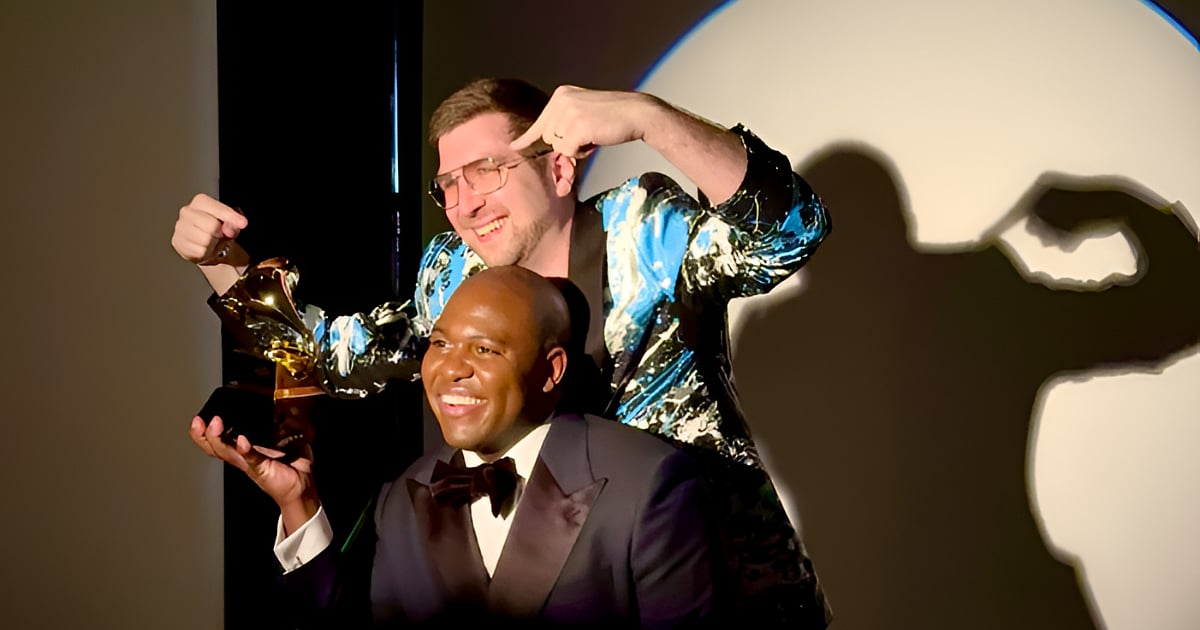
Video game music took center stage at the Grammy Awards on the night of Feb 1, 2026, in Los Angeles, with wins tied to Super Mario and Sword of the Sea highlighting the medium’s growing recognition. The ceremony gave awards for both game music arrangement and interactive soundtrack composition.
New York City-based 8-Bit Big Band, a 30-plus-member jazz orchestra, won Best Arrangement, Instrumental or A Cappella for Super Mario Praise Break. The medley reworks music from across Nintendo’s flagship Super Mario franchise. It includes the Super Mario Bros. theme, the music track Bob-Omb Battlefield from Super Mario 64, Gusty Garden Galaxy from Super Mario Galaxy, and the Athletic Theme from Super Mario World.
The group previously won the same category in 2022 for its Kirby Super Star arrangement, Meta Knight’s Revenge, and was nominated last year for its Persona 5 cover, Last Surprise.
Reacting to the latest win, the band stated on their X (formerly Twitter) handle, “WE JUST WON OUR 2nd GRAMMY!” while thanking listeners and collaborators Bryan Carter and Matthew Whitaker.
Game Music Gains Ground at the Grammys 2026
In a separate category, composer Austin Wintory won Best Compilation Soundtrack for Video Games and Other Interactive Media for Sword of the Sea. A longtime Grammy nominee, Wintory has previously received nominations for Journey, Stray Gods, and Aliens: Fireteam Elite. The Journey was recognized before the Grammys 2026 introduced a dedicated video game category in 2023.
Hades II composer Darren Korb praised the score, saying, “Any time Austin evokes Björk for me is some of my favorite Austin music.” Baldur’s Gate III composer Borislav Slavov separately highlighted the soundtrack’s emotional range and its adaptability to interactive play.
Past winners of the category include Stephanie Economou, Gordy Haab, Stephen Barton, and Winifred Phillips. Together, the latest win and its peer recognition underscore how video game soundtracks are being evaluated alongside other established forms of interactive and recorded music.