Highlights
- Mahesh Babu invests in Shortgun Games; stake details remain undisclosed.
- Project Takedown has a planned $25M development budget.
- The studio targets a November 2028 release on PC and consoles.
In July 2025, Shortgun Games turned to Indian cinema to work out how fights should look in its new video game. The Mumbai studio hired Vicky Arora, an action director whose credits include RRR and Uri: The Surgical Strike, to oversee combat design. His team used motion capture to bring stunt choreography into the game. On Nov 3, 2026, the studio announced it had brought in another figure from Indian cinema, this time as an investor.
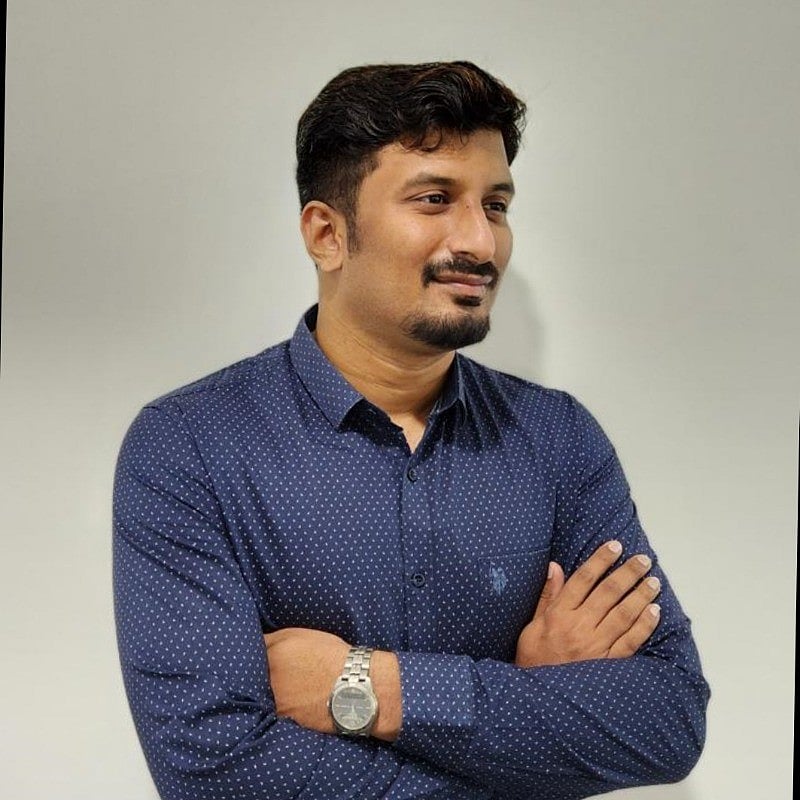
Telugu film star Mahesh Babu had taken a stake in Shortgun.
The investment backs a studio that wants to build original games in India for an international audience, starting with Project Takedown, a story-driven action game for PC, PlayStation 5 and Xbox Series X|S. Babu said in the announcement that he was drawn to the founders’ ambition to compete with established studios abroad.
Mahesh Babu’s Investment and Project Takedown’s $25M budget
When Shortgun founders Jeet Chandan and Vidhit Mehta first pitched to Babu, they had no demo to show. The founders revealed in a written interview with Outlook Respawn that his team spent months evaluating the studio and its plans for PC and console games. They are, now, discussing other ways to work with Babu, whose role so far is that of an investor.
The budget gives a sense of what it will take to turn that pitch into a finished game. Shortgun estimates development will cost about $25M USD. The founders say they have raised $5M in the current round and plan to raise the remaining in stages as they hit development milestones. Details about how much Babu invested or how large a stake he took were not revealed.
How Shortgun Games is Building Project Takedown
Shortgun started out working on mobile and Web3 games and switched to PC and consoles in 2024, joining a group of Indian studios building for those platforms. For its flagship game, the studio picked the city it operates in: According to The Economic Times Project Takedown takes place in a near-future Mumbai.
Chandan and Mehta describe it as a single-player, third-person shooter. The studio’s game page lists guns, bats and pipes among the weapons players can use in close quarters. Arora’s team could work out the physical movement behind those fights. Shortgun’s developers, working in-house, have to make the combat feel responsive when the player is in control. The founders also want decisions players make to matter to the story. They offered no specifics on what was already playable or whether any parts of the design had been scaled back.
Development had been under way for about three months at the time of the interview. A game director, working remotely from abroad, was expected to move to India, and Shortgun plans to announce its game and art directors. The studio is additionally exploring whether AI can speed up tasks such as coding.
The founders aim to show how far they’ve got around March 2027.
Project Takedown’s Release Plans and Search for a Publisher
For all the work Shortgun is doing in Mumbai, its sales plan depends on buyers elsewhere. The founders expect India to account for approximately only 10% of sales. The target is players in North America and Europe who already buy premium action games; and they want an international publisher that can help with funding development and getting the game in front of those players. In the Game Developer Association of India’s GameDev Outlook 2026 survey, three-quarters of respondents cited access to capital or publisher investment as a barrier to growth.
The founders are targeting a November 2028 release. They expect to set a price in the second half of 2027, when the plans are also to announce a trailer. Asked how many copies the game would need to sell to count as a commercial success, they gave no figure.
What Would Make Project Takedown a Franchise?
Indian cinema has already given Shortgun a way to stage its fights and an investor willing to back the studio early. The founders see possibilities in licensing, merchandise and screen adaptations, too. Those plans depend on whether players come to care about the characters and the world Shortgun is building.
“The game must come first,” Chandan and Mehta said.