


Highlights
- Ongoing discussions suggest that BTS could potentially meet Brazilian President and the First Lady during the group's three-night October tour stop in São Paulo.
- The push comes as other Latin American countries honor BTS, including Mexico and Argentina.
- Industry data shows that Latin America led global recorded music revenue growth in 2025, with Brazil being a top consumer of K-pop.
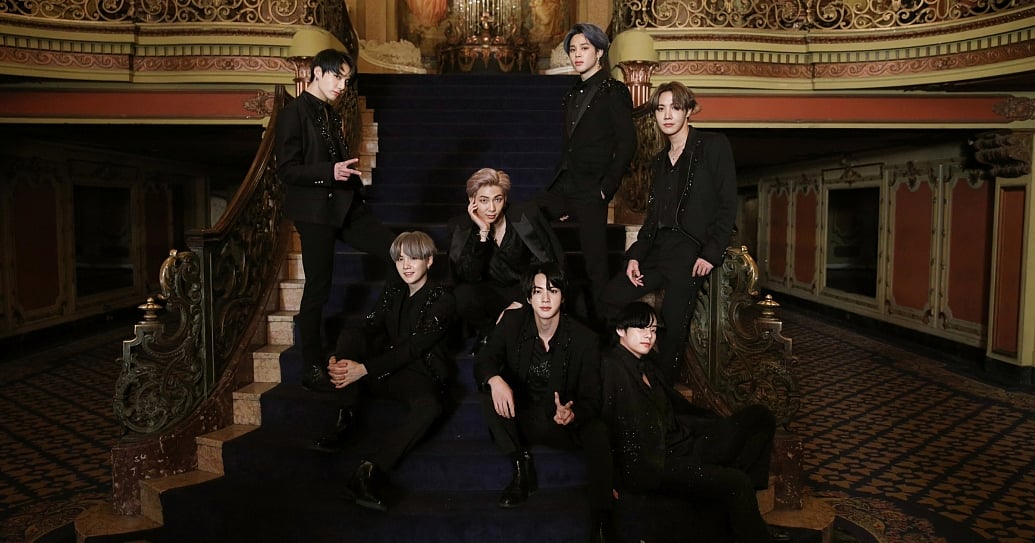
Representatives for BTS and the Brazilian government are reportedly in talks to arrange a meeting between the K-pop group, Brazilian President Luiz Inácio Lula da Silva, and First Lady Rosângela “Janja” da Silva during the group's visit to the country for the ARIRANG world tour in October. Notably, the group will perform for three days in São Paulo on October 28, 30, and 31.
The proposed meetup, reported by local newspaper Correio Braziliense, comes after public comments from Janja, where she said “The fans in Brazil are waiting for you! Thank you for this gift, dear! A huge kiss and we'll see you in Brazil in October.” However, neither the group’s label HYBE nor the Brazilian presidential office has officially confirmed the schedule.
The discussions seemingly build on months of high-level diplomatic outreach between Brazil and South Korea. As reported by The Korea Herald, during Lula’s state visit to South Korea in February, celebrity chef Paik Jong-won gave him a signed gift and message from BTS member Jin for the Brazilian first lady.
Yet, Brazil is not the only country in the region to embrace BTS and elevate the group’s cultural influence while intensifying diplomatic engagement with South Korea. Most notably, Mexico’s President Claudia Sheinbaum welcomed BTS at the country's National Palace and acknowledged the group’s cultural influence amongst the youth with a commemorative plaque. According to reports, she also discussed trade opportunities between the two countries with the South Korean President. Additionally, in Argentina, the city of La Plata named BTS as an “honored guest” ahead of their shows, further depicting K-pop’s expanding soft power in Latin America.
Latin America is K-pop’s New Power Base
The involvement of political figures comes amidst a structural realignment of the global music business. According to IFPI, Latin America (LATAM) was one of the fastest-growing recorded music regions in 2025, with revenues rising 17.1% year-over-year, and streaming accounting for 88.1% of that total.
Brazil’s recorded music market specifically grew 14.1% over the same period, jumping to the eighth position globally. For K-pop consumption specifically, Mexico and Brazil ranked seventh and eighth worldwide in 2025, as per Luminate data, rivaling many strongholds of the industry.
BTS greeting 50,000 ARMYs in Mexico City from the Presidential Balcony.
The consumption figures for BTS' latest release, ARIRANG, showcase that growth. Notably, Brazil generated 78.6 million first-week streams for the album, as noted by Yonhap. That figure surpassed the streaming numbers of K-pop’s birthplace South Korea, which logged 58.3M streams. On the other hand, Mexico registered 75.9M streams over the same seven-day window.
From Streaming to Stadiums: K-pop’s Growing LATAM Presence Led by BTS
The region’s K-pop boom is no longer confined to just streaming platforms, because rising demand is now pushing industry stakeholders to create a larger K-pop touring footprint and infrastructure across the whole Latin American region. Billboard Brazil's 2026 market study noted that K-pop is no longer a niche import, but rather a core pillar of the national music economy.
Promoters have already responded by putting K-pop acts as headliners at major regional venues and festivals. For instance, Stray Kids became the first K-pop act to headline at the Rock in Rio, while RIIZE became the first K-pop group to perform in Lollapalooza Brazil.
In a greater perspective, BTS’ upcoming Latin American tour depicts the next stage of that expansion. With three sold-out São Paulo arena dates and government-level engagement, the group effectively showcases how fan-driven demand converts directly into political, and commercial leverage while also providing opportunities for expanding cultural influence across the region.