



Highlights
- The Stanford Stadium sellouts of BTS shows depict how the group’s comeback has evolved into a major cultural event worldwide.
- BTS’ collaborations with UNICEF and the United Nations reflect how K-pop is progressively shaping South Korean diplomacy, tourism, and global engagement.
- BTS has also been driving interest in learning Korean language and history among young Americans via its music and cultural influence.
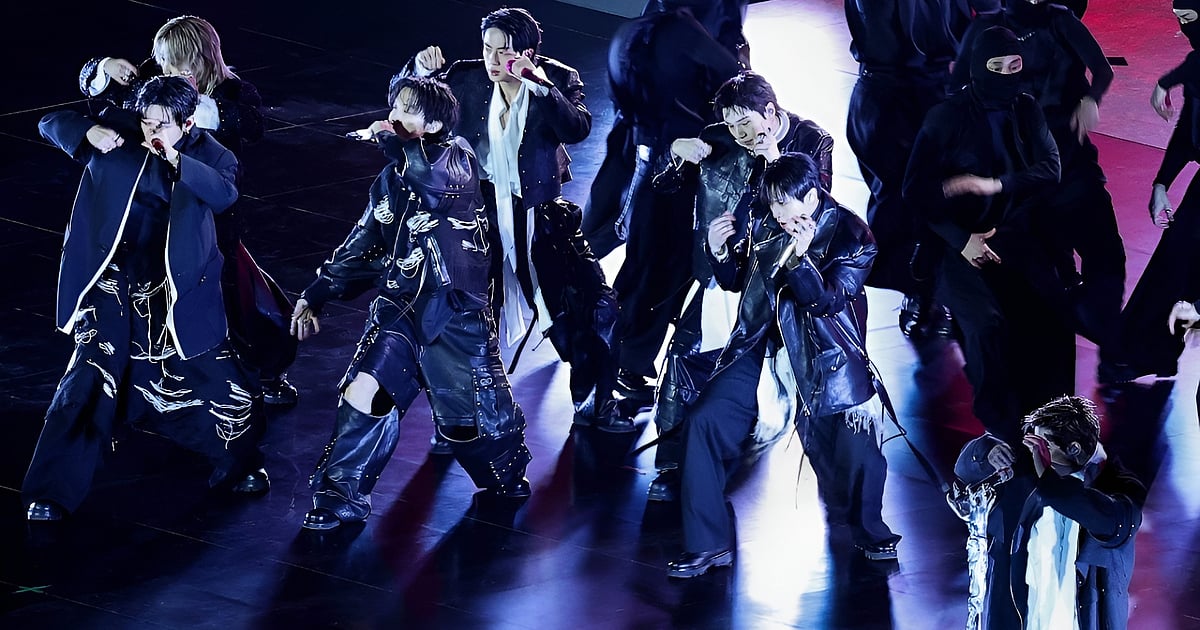
On Tuesday night, the final Stanford Stadium BTS concert sold-out all of its seats, with fans singing both in English and Korean. This is the third consecutive BTS sellout concert in Stanford Stadium, where more than 50,000 were filled. The rapid seat fill and the fans’ involvement showcase how the band is taking the world by storm, driving a massive geopolitical shift entirely through its cultural power.
Why are BTS concerts at Stanford Stadium significant?
The BTS Stanford Stadium concert acts as one of the core anchors for the BTS Arirang world tour, which launched in April 2026 and will be running through 2027. The band, although had toured in the US before, never came to Stanford until their recent schedule allowed them to.
Marking the group's highly anticipated return, the BTS world tour 2026 acted as a rare educational catalyst. Dafna Zur, an Associate Professor at Stanford University's Department of East Asian Languages and Culture, noted that the affinity to the group’s members and their content, prompted global audiences to learn about the country’s history, like the division and geopolitical tension between North and South Korea. By inspiring fans to explore complex history, the group becomes a unique case study explaining why BTS is a global phenomenon.
What is meant by BTS’s “soft power” influence?
The seven-member boy band showcases how music, media, and sports can build a cross-country network. For instance, the BTS UNICEF partnership to raise funds for children solidified the influence of pop-culture in diplomacy. In international organizations such as the UN and its associated entities, traditional diplomats are the ones who take care of communications. However, BTS, as a United Nations envoy, highlights how the band has become the face of Korean culture.
BTS’ soft power influence has increased the tourism industry in South Korea, and has also offered a significant economic impact through its shows in the country as well as abroad. The group’s popularity has also significantly attracted young people’s attention who intend to pursue academics, apart from cultural immersion, in South Korea.
Korean wave and BTS: How BTS influenced Korean language learning?
The BTS Korean culture influence is radically changing American academia as well. Fueled by a broader interest in K-dramas, food, and K-beauty, people are becoming more and more interested in learning the Korean language, despite lacking any native heritage. Professor Zur, who also teaches at a Korean Village immersive language summer camp in Bemidji, Minnesota, reports to KTVU Fox 2 that a significant enrollment spike has been seen in K-12 learners. And amongst them, most are BTS fans learning Korean.
This K-pop global influence is fully evident on the campus of Stanford University as well. According to KTVU Fox 2, student Emily Schwab, who attended two concerts of the group, said that she began studying Korean to understand their lyrics. On the other hand, another student from the same university, named Taylor Hamilton-Hankins, noted that K-pop inspired her to learn about a country she previously knew literally nothing about.