



South Korean President Lee Jae-myung has publicly criticized excessive lodging price increases in Busan following the release of BTS' world tour dates. He described them as "malicious exploitation that destroys order in the entire market and inflicts great harm on everyone," and emphasized that such actions "must be eradicated."
On Jan 16, 2026, President Lee posted on X (previously Twitter) about media coverage of mounting accommodation charges in Busan. He encouraged authorities to guarantee that any sanctions or corrective measures result in losses "far greater than any unjust profits gained," seeing the problem as a systemic threat to market fairness rather than a local pricing conflict.
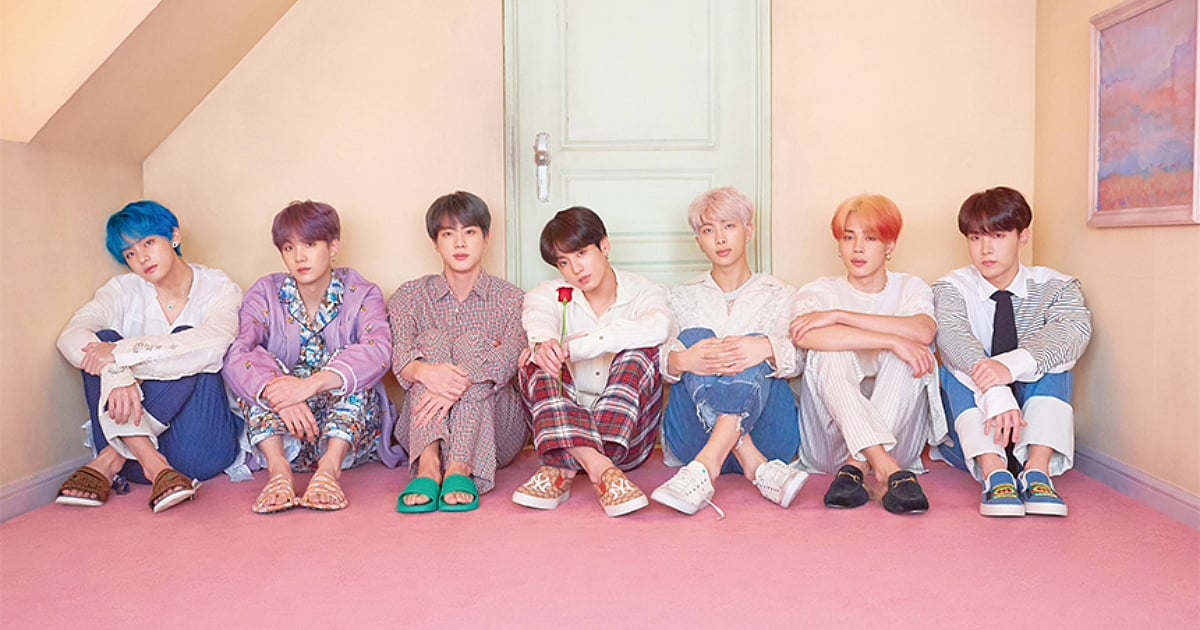
BTS, South Korea's biggest pop export, will kick off its international tour on April 9, 2026, at Goyang Stadium, with 79 gigs scheduled in 34 cities around the world. In Korea, the southeastern port city of Busan will host events on June 12 and 13, 2026, the sole domestic stop besides the capital area.
BTS Comeback 2026 World Tour: Accommodation Surge Sparks Backlash
Following the announcement of the Busan show, booking systems saw a significant increase in hotel and guesthouse rates throughout the city. According to major Korean media outlets, many accommodations near popular neighborhoods, including Haeundae, Gwangalli, Dongnae, and Gijang, were marketed at up to 10 times their regular rates for the performance dates.
As reported by Maeil Business Newspaper and Seoul Economic Daily, a lodging facility in Dongnae District increased its overnight cost from ₩ 68,000 (~ $46.16 USD) on June 10 to ₩ 769,000 (~ $521.99) on June 12 and 13. Prices for separate accommodations in Gijang County jumped from ₩ 98,000 (~ $66.52) to between ₩ 431,000 (~ $292.56) and ₩ 502,000 (~ $340.75) during the same time period.
As per Korea Times, a five-star hotel in Busan increased its nightly fee from around ₩ 330,000 (~ $224) the previous week, to over ₩ 1 million (~ $678.79) tied to the concert window, while several smaller hotels advertised single-night accommodations for more than ₩ 1.4M (~ $950.30). Meanwhile, Budget lodging in Busan normally expected to be around ₩ 60,000 to ₩ 90,000 (~ $40.73 to $61.09) per night. Additionally, nightly costs near Haeundae Station ranged from ₩ 700,000 to ₩ 1.2M (~ $475.15 to $814.55), up from ₩ 70,000 to ₩ 300,000 (~ $47.52 to $203.64) merely a week ago, reported Seoul Economic Daily.
Reportedly, some facilities even requested that prior guests cancel their bookings so that rooms could be resold at greater prices. This caused widespread discontent online, especially amongst the BTS fanbase, both locally and globally.
Government Response and Industry Context
The President's involvement comes amid growing concerns that unregulated price gouging during high-demand events could harm tourism and ruin South Korea's reputation as a destination. In the past, President Lee reportedly had instructed officials to investigate measures such as surcharges or fines to combat price manipulation in the tourism industry.
The prevailing Korean legislation requires accommodation operators to disclose pricing schedules and adhere to them once posted, with infractions punishable by fines or imprisonment. However, enforcement of ordinary rate hikes remains inadequate, and local governments frequently rely on guidance and voluntary compliance rather than harsh penalties.
This dispute is not new to Busan. Similar price increases have occurred at other large-scale events, such as past BTS concerts and the yearly Busan Fireworks Festival. As reported by Naver, during BTS' free 2022 concert to support the city's World Expo bid, room fees near the stadium reportedly increased by up to 30 times, sparking public outrage and pushing the city to establish a lodging fee reporting center and undertake joint inspections.
Similar jumps were noticed again during last November's Fireworks Festival, when accommodations costing more than ₩ 1M (~$678.79) per night became popular, with one case jumping from ₩ 650,000 to ₩ 2M (~ $441.21 to $1,357.58). As cited by Korean media outlets, countermeasures to prevent excessive pricing associated with major events will soon be resumed, according to the city officials.
BTS Momentum and Local Impact
The BTS concerts in Busan are set to become a big cultural event in 2026. The June 13 date aligns with the group's debut anniversary and emphasizes Busan's importance as the hometown of members Jimin and Jungkook, which has boosted fan demand and visitor interest.
In addition to the concert anticipation, BTS is also preparing to release its fifth full-length album, Arirang, on March 20, marking their comeback in nearly four years, focusing the global spotlight on the band.
The controversy over lodging pricing in Busan highlights contradictions between market forces during prime cultural events and wider policy issues like consumer protection and fair competition. President Lee's statement frames the debate as a test of regulatory effectiveness and market discipline ahead of a watershed moment in K-pop culture and tourism.