



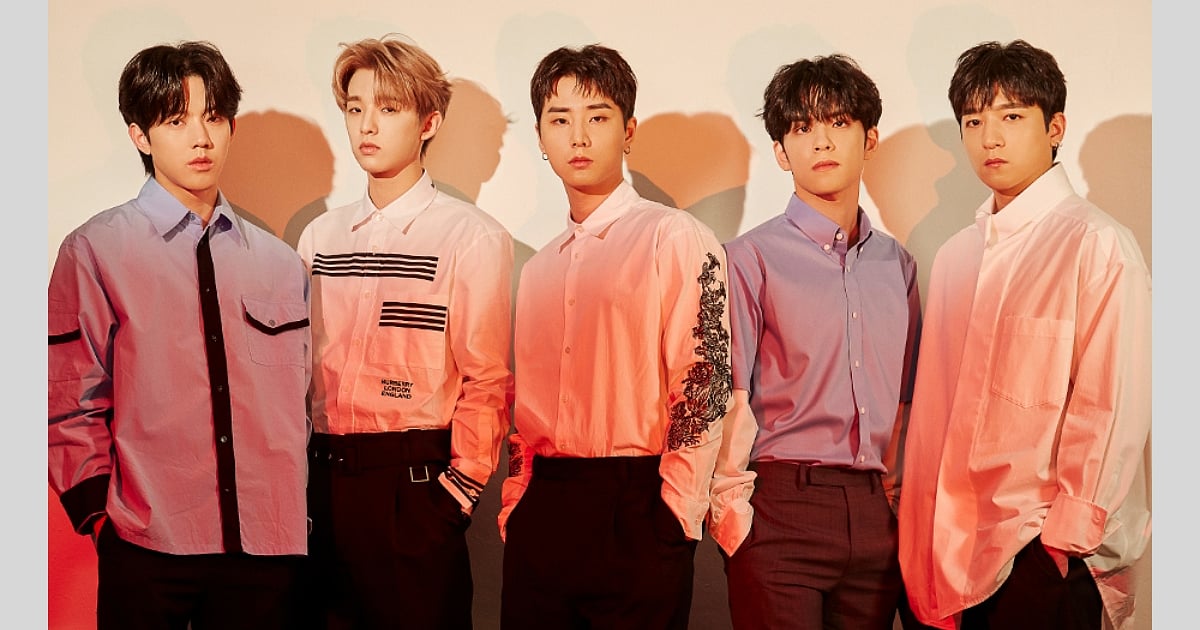
- A fansite master allegedly disregarded camera rules at a DAY6 event in Kuala Lumpur, causing outrage among local fans.
- Some South Korean users made racist statements toward Southeast Asian and South Asian followers, increasing the controversy online.
- The scandal sparked a broader debate regarding K-pop's cultural influence and accountability in ASEAN markets.
Tensions flared at a DAY6 K-pop concert in Kuala Lumpur on Jan 31 after a South Korean "fansite master" reportedly snuck professional camera equipment into the Axiata Arena. The move, which violated tight venue rules (to allow for a block-free view), garnered quick criticism from local Malaysian fans. As video of the event spread online, it prompted a heated debate about concert decorum and the power of high-end fan photographers, along with a dispute between South Korean and Southeast Asian K-pop fans.
As reported by The Rakyat Post, some South Korean users on X (previously Twitter) made harsh remarks regarding SEA fans' appearance, culture, and finances. These posts included insulting imagery and stereotypes, prompting a backlash from Malaysian, Indonesian, Filipino, Thai, and Vietnamese fans who defended regional identity online.
One such post on X (formerly Twitter) by a South Korean user showed a screenshot from a music video of No Na, an upcoming Indonesian girl group, traipsing through a paddy field with the caption: “We had no money to rent a set, so we filmed in a rice field.” [Translation sourced from The Rakyat Post]
The controversy quickly spread when Indian and Pakistani individuals were also brought into the conversation, when South Korean fans made racist postings targeted at South Asian looks, reinforcing harmful tropes. However, as widely reported by other industry observers, some Korean netizens stepped forward and apologized for the racism. Meanwhile, others also contended that the harsh words do not reflect the feelings of the majority of the country's citizens.
The incident showcases that K-pop fandom, which is generally regarded as one of the most organized and strongest communities, has also occasionally displayed volatile patterns, which devolved into open ethnic stereotyping, intensifying cross-regional online conflict.
From K-pop Concerts to Cultural Critique: Social Media Turned Battleground
K-pop's popularity in ASEAN markets is increasingly being viewed as cultural imperialism. While experts have been studying this conflict for a decade, the tension has suddenly transitioned from idea to outright animosity. In Japan, the nationalist comic Manga Kenkanryu became a blockbuster by focusing on anti-Korean emotions, whereas Chinese mainstream media labeled the 'K-Wave' as a cultural invasion during political issues. In Thailand and the Philippines, opponents have contended that the industry's size undermines native talent and encourages rigorous beauty standards.
When K-pop groups fall short of expectations, tensions rise even higher. In 2025, KISS OF LIFE lost hundreds of thousands of followers when they racially stereotyped black culture. Angry netizens demanded public apologies from the group. KISS OF LIFE acknowledged the issue and also apologized, along with deleting the content. On the other hand, WJSN garnered international criticism for caricatured Indian imagery in a Korean variety show, earning public ire for mocking Southeast Asian cultures. Social media further magnifies such mistakes, transforming them into global debates, observing whether artists are being polite and ethical.
Despite the controversy, K-Pop continues to have a strong commercial presence in the region. In recent years, Malaysia and the rest of Southeast Asia have generated substantial profits from live events, with many major K-pop artists visiting. Nevertheless, South Korea right now has a more difficult challenge to address, which is sustaining influence with audiences who have grown from passive consumers to active stakeholders. This transition shows that cultural supremacy is no longer absolute, since organized local resistance could directly challenge it.