





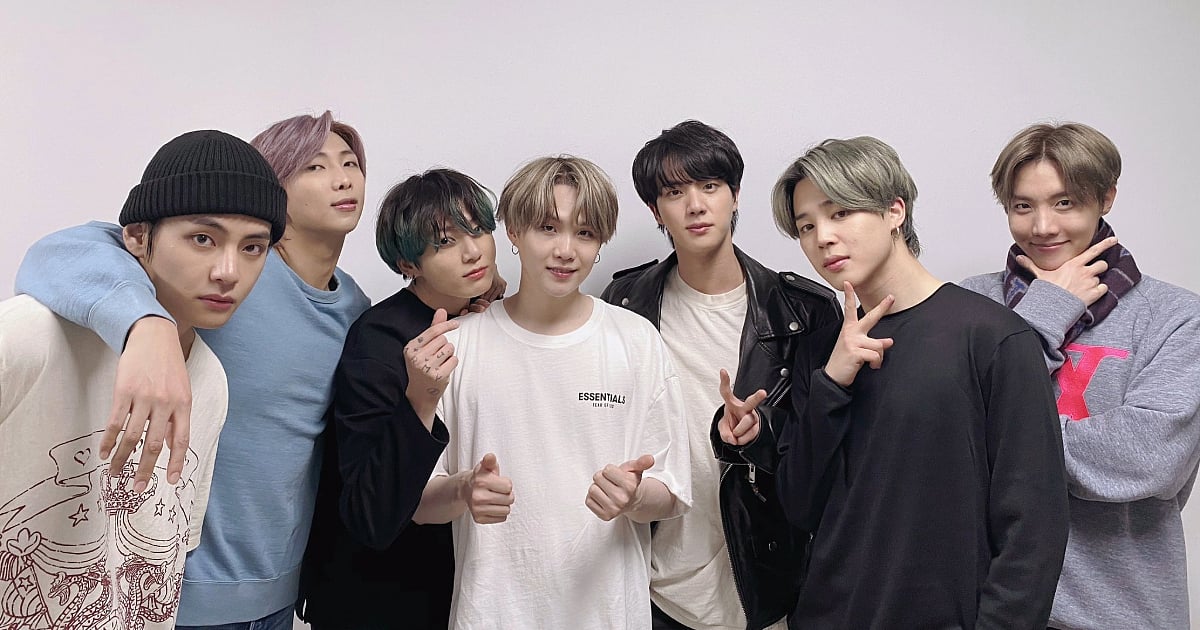
Protecting the Arirang Era: South Korea passes historic anti-scalping laws to curb BTS ticket resales.
South Korea Outlaws K-pop and BTS Ticket Scalping
South Korea adopts a wide-scale resale ban with severe fines post scalping surge in the renewed BTS-era.

- South Korea has passed a complete ban on ticket resales for concerts and sporting events.
- The law imposes stiff penalties, involving fines up to 50 times the initial ticket price.
- Separate changes increase copyright enforcement against unlawful content circulation.
South Korea's National Assembly passed a set of legislation amendments on Jan 29, aimed at prohibiting ticket scalping and reducing illegal circulation of Korean content. As per reports from South Korean publications, revisions to the Copyright Act, Public Performance Act, and National Sports Promotion Act were passed in a plenary session after months of intensive labor by the Ministry of Culture, Sports, and Tourism. The move comes after the country noticed an increase in already skyrocketing resale ticket prices for key concerts, including BTS' world tour, whose cost often topped 15 million won (~ $10,317.43 USD), highlighting the need for action.
New South Korean Law Bans Ticket Resales Regardless of Purchase Method
Under the amended Public Performance Act and National Sports Promotion Act, every kind of ticket scalping will be prohibited, notwithstanding if automated software ("macros") was used to obtain them. In the past, enforcement focused solely on macro-assisted purchases, creating an escape hatch that made practical prosecution pretty much challenging.
Scalpers' penalties have been significantly reinforced. Violators would face fines of up to 50 times the actual ticket price, and earnings from unlawful resales will be confiscated, noted The Asian Business Daily. Furthermore, Star News Korea reports that this aggressive plan aims at weakening an underground market which is estimated by the government to be worth more than 100 billion won (~ $6.86M) yearly.
The law also requires ticket vendors and online marketplaces to install technical and administrative safeguards to prevent unlawful resale, and it authorizes a specific reporting agency to collect sales data from platforms and individual sellers. A whistleblower incentive system encourages public reporting of breaches.
Amendments Allow Site Blocks and Higher Copyright Damages
On the intellectual property front, changes to the Copyright Act gives the Culture Minister the authority to direct internet service providers to prohibit access to websites that distribute pirated Korean content. This includes those with servers abroad, distinguishing themselves as a persistent channel for illegal distribution. This amendment allows courts to award up to five times the number of damages for willful or repetitive violations. It will also increase the criminal penalties for copyright infractions to up to seven years in prison or a fine of 100 million won (~ $68,636.10).
The majority of the amended legislation is set to take effect in the second half of 2026, with some copyright enforcement measures going into action sooner. The illegal distribution of Korean content reportedly costs the domestic content business more than 4 trillion won (~ $2.75B USD) each year. Additionally, ticket resale abuses have affected a variety of industries, from K-pop concerts to sporting events, generating calls for structural policy remedies throughout 2024 and 2025 before legislative action is eventually implemented in early 2026. The law's passing represents a dramatic shift in Seoul's policy stance, which combines tougher deterrence with increased enforcement capabilities to protect fans and the cultural economy.

Author
Diya Mukherjee is a Content Writer at Outlook Respawn with a postgraduate background in media. She has a passion for writing content and is enthusiastic about exploring cultures, literature, global affairs, and pop culture.



Related Articles