




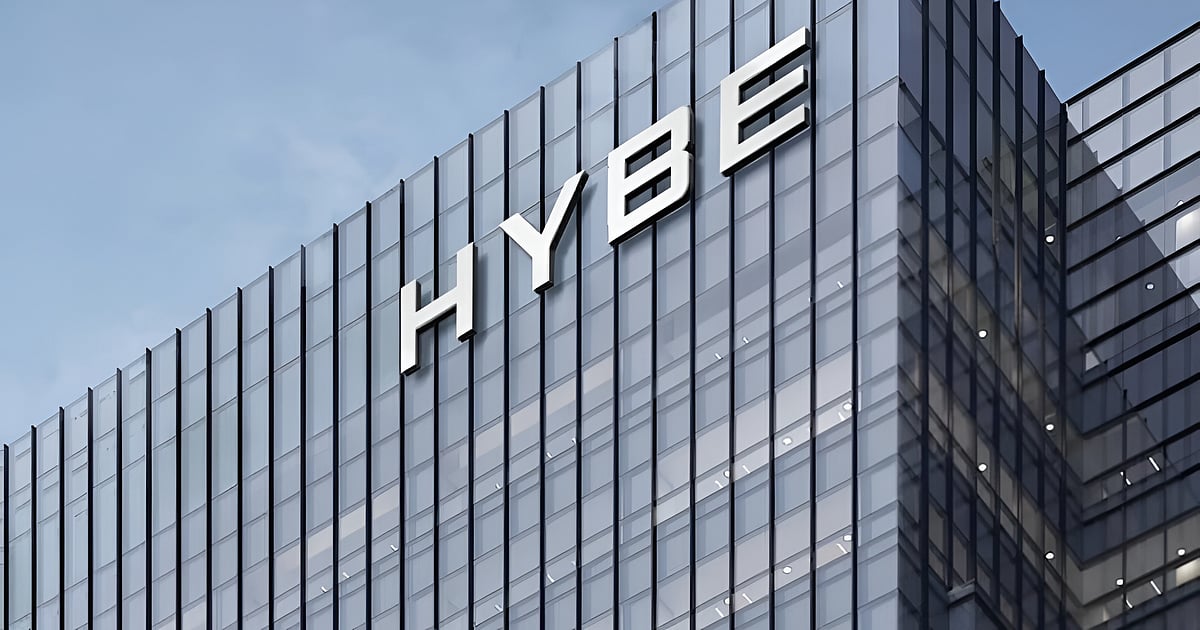
- HYBE Corporation has grown into a platform-driven, vertically integrated ecosystem that capitalizes on global fandoms via tech like Weverse.
- Famous because of its flagship group BTS, HYBE sustained steady growth through acts like Tomorrow X Together, ENHYPEN, and NewJeans, when the former group was in the military.
- HYBE is offering a lucrative global investment opportunity in the K-pop economy, with risks related to AI returns, platform gains, and new talent.
As the global entertainment scene shifts toward AI-driven content and digital-first economies, HYBE, the label behind BTS, has grown into something that is more than a usual music label. The company is now a cross-border expansion catalyst that U.S. and English-speaking investors should no longer ignore. By hinging on its K-pop dominance, HYBE seemingly aims to fuse viral culture with scalable technology, offering a rare play on global fandoms while negotiating the typical volatility of separate artistic careers.
At the core of the HYBE ecosystem is a vertically integrated structure that controls the entire value chain: right from content creation to data analytics. By utilizing a multi-label strategy backed by subsidiaries like Big Hit Music and ADOR, the company has effectively diversified its catalog. This durability was tried and tested when its flagship group BTS went into mandatory military service; newer acts like TXT, ENHYPEN, and NewJeans sustained cash flows in a steady manner from global tours and American streaming royalties.
BTS
In contrast to the well-known Western labels, HYBE’s competitive moat is constructed on a proprietary tech stack. For instance, its fan engagement platform, Weverse, has millions of active users and capitalizes on direct artist-fan interactions based on subscription models and virtual goods. This digital ecosystem, which is further boosted by gaming tie-ins, NFTs, and AI-generated content customization, enables the company to gain high-margin revenue where traditional media frameworks often fall short. For investors tracking consumer discretionary trends, HYBE represents a way to scale globally without the burden of heavy physical infrastructure.
Scaling the $10B K-pop Economy
According to AD HOC NEWS, a German financial and business news site, the "K-pop economy" now surpasses $10 billion USD, and HYBE is at the helm of it. The company has outpaced regional rivals like SM Entertainment and YG by actively prioritizing international diversification. With North America driving significant concert and streaming shares, the genre's layered fan economies generate a predictable demand that can be followed via platform metrics.
Notably, HYBE is exporting K-pop’s highly methodical trainee model into various markets, integrating it with domestic talent scouting. The result of this would be a vertically integrated pipeline that includes elements like artist development, global touring, and direct-to-fan commerce. This allowed the company to churn higher per-fan revenue with the help of concerts, merchandise, and platform-driven engagement than the conventional Western labels.
HYBE Corp: Wall Street Eyes an Undervalued Global Play
Wall Street has taken note of this growth path. According to AD HOC NEWS, analysts at institutions such as JPMorgan and Macquarie have noted HYBE’s durable expansion and indicated that its stock may be “less-priced” as compared to global peers, even if its digital bets pay off. Even though all of them are doing a similar kind of work, HYBE stocks, as per the market experts, are now easier to buy than the others.
U.S. investors must note that the organization serves as a strategic entry point into Asia’s cultural boom while providing a defense against Hollywood’s strike-prone volatility. Through ADRs or direct trading, the investors could receive dollar-denominated royalties streamlining from sell-out shows in cities from Los Angeles to London.
HYBE Chairman Bang Si-hyuk: Photographed by Jean Chung via Getty Images
Risks, Returns, and the Road Ahead for the BTS Label
However, moving forward, the trajectory is not without any obstacles. The path to Weverse’s ultimate profitability and the specific ROI on massive AI investments remain open to question. According to market analysts, investors should also consider the impact of currency fluctuations on KRW-denominated outcomes, as well as geopolitical risks and regulatory scrutiny related to content IP and fan platforms. Also, talent pipeline strength is the ultimate litmus test, with the company’s long-term sustainability leveraging on its ability to produce the next generation of viral acts.
As the market looks forward to the future, the immediate triggers are clear. The return of BTS after their military service is projected to serve as a huge momentum driver. However, observers are also keeping a close eye on Weverse’s user growth and upcoming mergers and acquisitions. In an era of segmented streaming, HYBE’s capability to convert cultural phenomena into tangible financial assets indicates, for those lined up with fandom economics, their patience may be well rewarded.