




Shousetsuka ni Narou Marks 200 Anime Adaptations Amid Isekai Debate
Narou Surpasses 200 Anime Adaptations as Isekai Boom Evolves
Japan's leading web novel platform reaches a new milestone amid growing debate over isekai’s role in the anime industry.

Highlights
- Shousetsuka ni Narou-hosted web novels have surpassed 200 anime adaptations.
- The platform introduced a new partner program and mandatory AI disclosure rules to support safer IP commercialization.
- Industry situations warn overreliance on narou-kei and isekai may become more troubling than it seems.
Shousetsuka ni Narou, Japan's largest self-publishing web novel platform, announced on May 26 that more than 200 of its hosted titles have been adapted into commercial anime. The platform, which celebrates its 22nd anniversary in 2026, published a dedicated website documenting every anime adaptation produced from its catalog, from 2013 to the end of 2026.
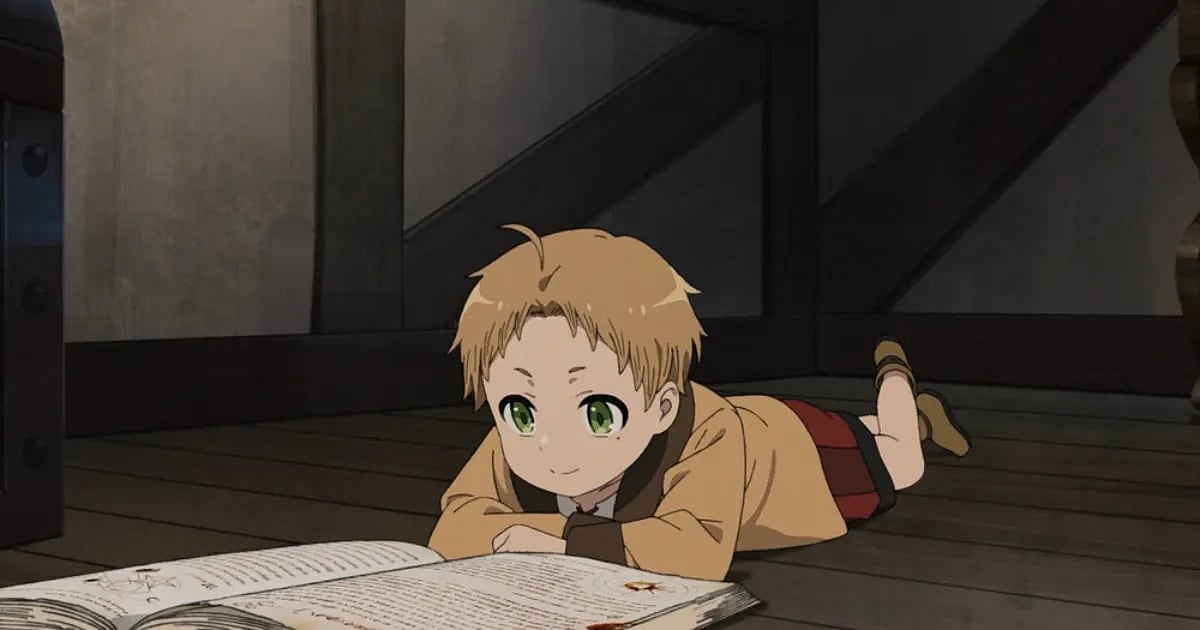
The milestone highlights the platform’s growing influence on anime production pipelines over the past decade, with popular titles like Re:Zero and Mushoku Tensei. The popular narou-kei genre also originated from Shousetsuka ni Narou’s platform name, comprising categories based on isekai and reincarnation/transmigration tropes.
Alongside the milestone, Narou announced two significant platform changes, including the Narou Partner Program, starting in June 2026. The Narou Partner Program is a structured support system intended to connect publishers and studios with high-quality source material while helping authors navigate the commercialization process.
Second, the platform is introducing a mandatory AI disclosure requirement for all works. Web novel authors are now required to label their content across four tiers, based on the degree of AI involvement in their work: Direct Use, Indirect Use, Auxiliary Use, and Not Used. The AI disclosure is specifically designed to reduce legal and commercial risks that can arise when web novels are adapted for anime production.
Isekai Anime Pipeline: Scale and Signature Franchises
The rise of narou-kei storytelling and isekai changed the anime production landscape, with the surge of fantasy and reincarnation-themed series that dominated seasonal lineups during the late 2010s and early 2020s. Titles such as That Time I Got Reincarnated as a Slime, Sword Art Online, and Re: Zero remain among the most recognizable anime IPs internationally.
These titles have generated multi-season anime runs, expanded with games, movies, and merchandise. Apart from Re: Zero season 1, other initial titles like Overlord and Log Horizon became streaming successes and rose to international popularity. Shousetsuka ni Narou’s webnovel adaptations, which began with a single title in 2013, have slowly expanded across every broadcast season.
When Narou-kei Rise Became a Liability
The 200-title milestone shows an overreliance and a rapid growth of isekai production. Isekai, fantasy, and related narou-kei titles became globally popular for appealing to a wider audience spanning multiple cultural demographics.
“Action and isekai, which is starting to become really mainstream because it's not tied to Japanese culture specifically,” stated Vincent Imaoka, a former Netflix original anime producer and an anime insider.
However, the rise appears to have resulted in genre-saturation. KADOKAWA identified an over-reliance on isekai and narou-kei as a major factor behind its declining profitability. In its mid-term management plan for FY2026-FY2031, the company cited “excessive reliance on existing winning patterns” resulting in weaker publishing performance.
According to an ANN analysis from 2025, isekai or other-world anime contributed up to 15% of 2024’s new TV anime titles. However, the same analysis showed how difficult it is to make an all-time hit in this category, even though these titles do not flop. 2024's most significant isekai, Mushoku Tensei, recorded just 33% of Demon Slayer's popularity rating.
Isekai is popular among Western markets, including Ireland, the UK, and the US. Previously, a Bushiroad analysis also flagged this anime industry trend of prioritizing anime titles for international audiences, which has led to genre saturation.
Crossing 200 anime adaptations underscores narou’s role in shaping modern anime production. At the same time, the achievement reflects the need for quality over volume, and that overreliance might lead to decreased profitability.

Author
Kamalikaa Biswas is a content writer at Outlook Respawn specializing in pop culture. She holds a Master's in English Literature from University of Delhi and leverages her media industry experience to deliver insightful content on the latest youth culture trends.

Related Articles