



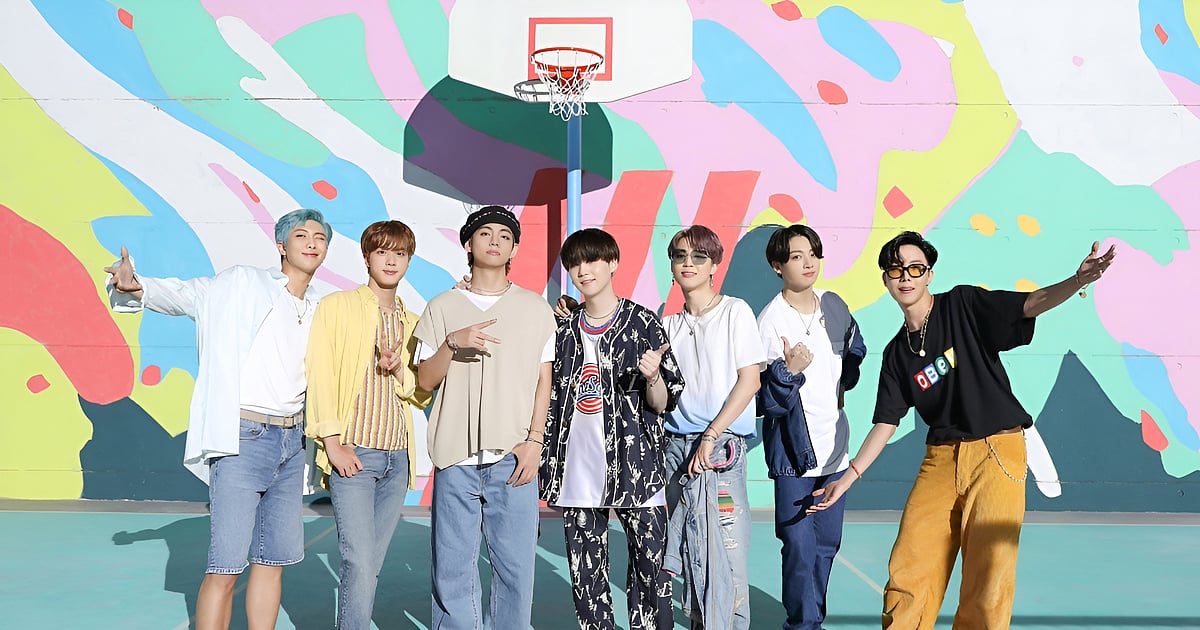
- Overseas fan spending is affecting the K-pop industry, with global fan communities funding massive campaigns in Seoul ahead of BTS' return.
- Export figures reveal that demand worldwide is driving the K-pop market, with sales to Japan and China outpacing both the US and European markets.
- Domestic audiences in South Korea still wield cultural power through charts, music-show voting, and public pressure.
As the music sector braces for BTS's enormous return, the landscape is being fundamentally reshaped by a "dual-power" system that balances worldwide capital against domestic cultural gatekeeping. Recent activity in international fan communities suggests that the focal point for K-pop influence has shifted significantly beyond the Korean Peninsula, owing to massive global spending power.
Global Fan Capital Floods Seoul Amid BTS Return
The economic pull mentioned above is currently most visible in central Seoul, as BTS’ comeback concert nears. Chinese fan groups, long known for their creative financial mobilization, have essentially transformed the city's commercial hubs into high-end galleries for their idols.
The official Chinese fan club for Jungkook has reserved a 60-meter megascreen at the Koreana Hotel for a three-day campaign from March 20 to 22. As noted by the Korea Herald, this display costs between ₩ 30 million and ₩ 45 million (~ $20,000 to $30,000 USD). At the same time, the fan community Baidu V Bar has secured the LUUX digital billboard in Gwanghwamun for a high-frequency tribute to V. The package, slated for 70 airings on March 21, is anticipated to cost between ₩20M and ₩35M (~ $13,000 to $23,000) for a day.
These individual efforts are indicative of a larger macroeconomic trend in which global viewers now account for the majority of the genre's consumption. According to Luminate data, Korean music came in at number four on the global streaming market in 2025. Export numbers from the Korea Customs Service, as well as the Circle Chart, confirm this pattern.
Within the international sector, Japan is the largest music export market for K-pop, with $80.6M in shipments, with China close behind at $69.7M, up 16.6% year on year, owing to organized efforts of fan clubs, said industry observers like Yonhap and Korea Herald. Notably, China's shipments now outnumber the entire US and European markets, which together amount to around $64M.
Overseas Spending Grows as Domestic Fans Retain Cultural Authority
The shift in power is fundamental. According to Mathieu Berbiguier of Carnegie Mellon University, K-pop's chances to make a sizable profit, especially through international touring. As a result, management firms are driven to emphasize the financial gains offered in more prosperous foreign markets. This has resulted in local fans having less direct purchasing power than their peers in countries like China and Japan.
However, this economic fall has not resulted in a complete loss of control. Korean audiences sustain a cultural command through local legitimacy levers such as voting on music shows, domestic streaming charts, and broadcast participation. When these methods fail to reflect the feelings of the people at home, influence takes a more personal aspect, with protest vehicles and wreath protests used to force corporate action.
This tension was publicly seen during the August 2024 controversy involving BTS member Suga, who was involved in an electric scooter drunk-driving incident. While international fans rallied in his defense, domestic fans contrastingly called for his removal from the seven-member lineup. This incident showed that, even though financial survival is dependent on the worldwide "whales" of the overseas market, public responsibility and cultural standards are still zealously bound by the strict social values of its home population.