




Highlights
- White House referencing Pokémon and Yu-Gi-Oh! in posts sparked criticism over political use of entertainment IP without authorization.
- The Pokémon Company and Yu-Gi-Oh! rights holders denied involvement.
- The incident highlights the growing trend of political campaigns using gaming, anime, and meme culture to reach younger audiences.
The use of gaming and anime intellectual property (IP) in political messaging is drawing renewed scrutiny after several franchises were referenced in recent posts from official White House social media accounts. A March 6 X (formerly Twitter) post from White House’s official account used popular IPs, including Dragon Ball Super and Yu-Gi-Oh!, reportedly merged with real-life clips from recent Iran attacks.
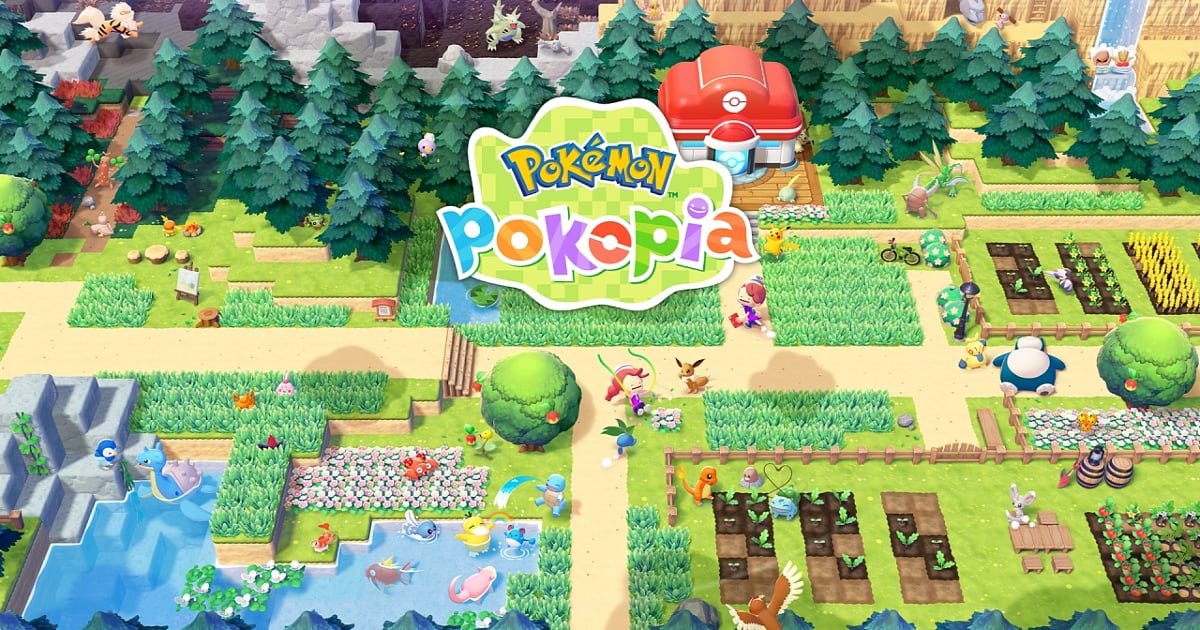
The scrutiny started with a separate March 5 “MAGA” post involving Pokémon IP. The post used a visual from the Pokémon Pokepia game with the “Make America Great Again” slogan, written with Pokepia’s box art font.
Companies like Pokémon, rights holders, voice actors, and fans have criticized the practice, arguing that incorporating popular entertainment IP into political propaganda risks damaging brand identity. The Pokémon Company released a statement against the Trump administration and denied any involvement in the distribution, permission, and creation of such content.
Anime Clips in White House Video Trigger Backlash
Criticism intensified after a White House video titled “Justice the American Way” incorporated clips from multiple films and pop-culture franchises, including anime footage and audio from Yu-Gi-Oh!, allegedly mixed with real-world military strike footage in Iran.
The video used clips America-based superheroes, including Iron Man, Spiderman, Daredevil, and Superman. It also incorporated popular pop-culture references from movies such as Braveheart, Top Gun, and John Wick, with dialogues featuring war-mongering threats.
Soon after, voice actor Dan Green, who voiced Yu-Gi-Oh!’s Yami Yugi and Yugi Muto, criticized and condemned the post, stating it tarnishes the manga IP. “Yu-Gi-Oh! is universal, not political. It is disrespectful to present it in any other way,” he wrote, while arguing how the White House post deviates from the sentiment and value of the creator.
The official X account of Yu-Gi-Oh! anime later clarified that the footage was used without authorization from the rights holders, and neither the manga nor anime creators were involved.
Growing Tension Between Pop-Culture and Political Messaging
Industrywide reactions indicate that such controversy shows a consistent trend of adopting internet meme culture and recognizable entertainment brands to reach younger audiences for political communication. The Trump Administration has also used footage from video games, including Grand Theft Auto, Eminem’s musical score, and dialogue from SpongeBob SquarePants, in related posts.
According to Time’s reporting, the White House has previously faced pushback from gaming communities, developers, and artists for using cultural media to promote a political agenda. Previously, when the Department of Homeland Security used Pokéball and Pikachu references in immigration enforcement videos, many asked the company to sue the administration for unauthorized use.
Franchises like Pokémon and Yu-Gi-Oh! are global multimedia brands that have spanned video games, animation, merchandise, and feature films. Associating these brands with political messaging without permission not only creates reputational risks but also influencing netizens' political views.
The backlash from fans and industry figures also underscores a cultural tension. Mark Ruffalo, famous for playing Hulk, criticized Trump's activities during the Golden Globes.
At the time of reporting, all posts from the official White House X account are in circulation, including a July 2025 post stating, “Nowhere in the Constitution does it say we can’t post banger memes.”