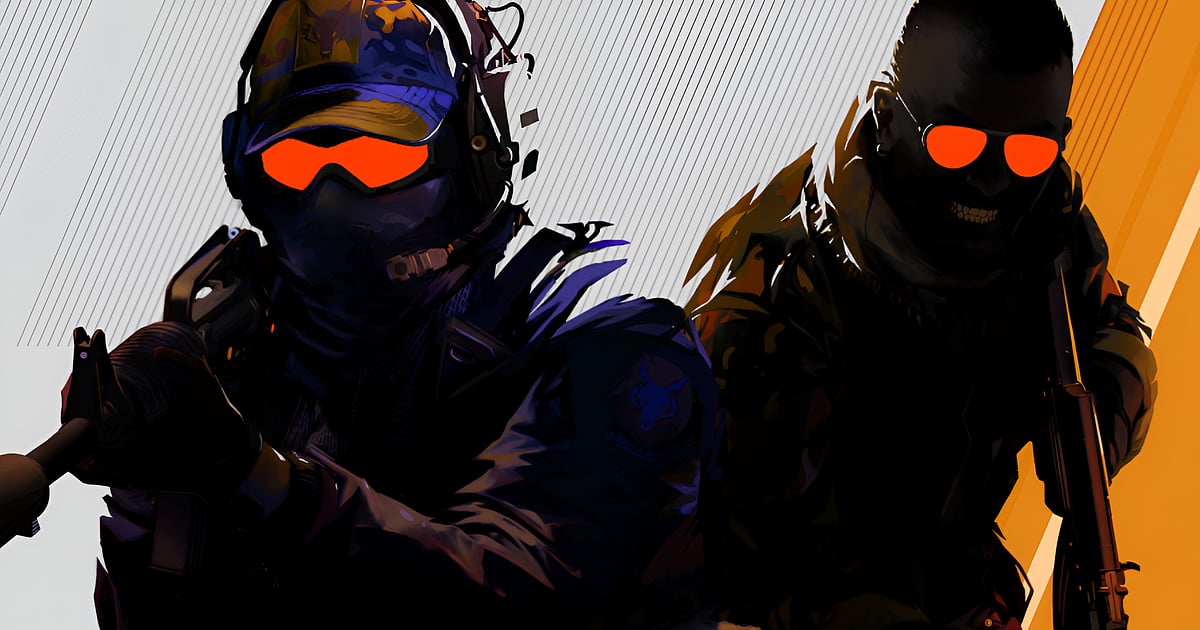
Valve Bans Skin Gambling and Case Opening Sponsors in CS2
Valve Bans Skin Gambling and Case Opening Sponsors in CS2
Valve’s Counter-Strike 2 skin gambling ban introduces sweeping sponsorship restrictions for teams and tournament organizers

Highlights
- Valve bans skin gambling, case opening, and skin trading sponsors from all officially licensed Counter-Strike 2 (CS2) events and broadcasts.
- New rules under the Limited Game Tournament License block logos on jerseys, streams, stage signage, and prohibit sponsorships tied to Valve’s in-game economies.
- Teams and smaller organizers face a major financial impact, as high-value skins like the AWP Dragon Lore (~ $5.3K-$12K+) and rare souvenirs exceeding $50K have fueled significant sponsorship revenue.
Valve has officially banned Counter-Strike 2 (CS2) teams from displaying skin gambling, case opening, and skin trading sponsors on jerseys or broadcasts at any officially licensed event. The change, implemented two days ago, applies to both ranked and unranked tournaments, following updates to the Tournament Operation Requirements and the Limited Game Tournament License.
Announced on Dec 9, 2025, the policy prohibits organizers from showing logos or ads for skin-related platforms across broadcasts, graphics, stage signage, or any visible stream elements. Sponsors affected include Skin.Club, SkinRave, Hellcase, and key resellers such as Kinguin.
Several teams had already removed these logos before the StarLadder Budapest Major 2025, suggesting some were informed ahead of time.
CS2 Skin Gambling Ban and Sponsorship Restrictions
Under the revised Limited Game Tournament License, Section 2.4.e states that licensees “must not distribute or display, including on team jerseys or in any other content that may be visible during the broadcast, any content or material that either violates Valve IP or the terms of the Steam Subscriber Agreement (for example, game case opening sites or skin trading sites).”
The rules also bar organizers from accepting sponsorships tied to Valve’s game economies or activities that violate agreements or local law.
Traditional gambling companies remain allowed because they operate with real money, and do not involve Steam inventories. This protects existing casino and sportsbook partnerships while removing a core revenue source for Tier 2 and Tier 3 organizations.
Smaller tournament operators, who relied heavily on these advertisers, are expected to be affected as well.
The long-term consequences remain unclear, but the ban marks one of the most significant sponsorship shifts in CS2 esports, reshaping how teams and smaller organizers reliant on skins-driven funding operate.
The impact is substantial in a market where items like the AWP Dragon Lore sell for $5.3K to over $12K and can exceed $50K for souvenir versions, while common AK-47 and knife skins often reach hundreds or thousands of dollars.
These prices have long powered partnerships with skin gambling and case opening sites, and losing these sponsors leaves a major gap across multiple tiers of competition.

Author
Probaho Santra is a content writer at Outlook India with a master’s degree in journalism. Outside work, he enjoys photography, exploring new tech trends, and staying connected with the esports world.
Related Articles