





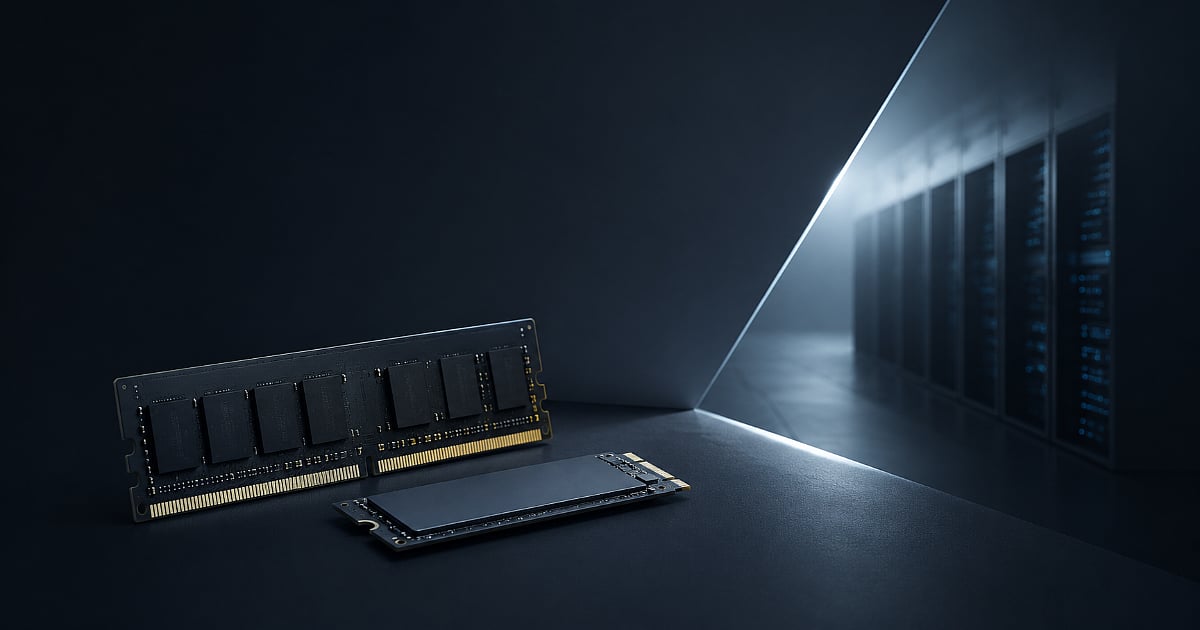
AI Memory Demand Could Cut Consumer Supply by 70% in 2027
AI Memory Demand Could Cut Consumer Supply by 70% in 2027
AI infrastructure continues squeezing DRAM and NAND availability.

Highlights
- Apacer warns AI demand will keep DRAM and NAND supplies under pressure through 2027.
- Nearly 60% of global DRAM capacity is now allocated to AI data centers, tightening memory availability.
- PC builders and consumer electronics makers could face fewer DDR5 and SSD options as shortages persist.
The global memory shortage is expected to deepen as AI infrastructure continues absorbing a larger share of DRAM and NAND production. C.K. Chang, CEO of Taiwan-based industrial SSD and memory module manufacturer Apacer, warned that memory manufacturers are expected to release only about 30% of their 2026 supply volume in 2027.
If that happens, available supply would effectively fall by around 70% compared to the previous year.
Chang pointed out that securing supply has become a bigger operational challenge than paying higher prices. To prepare, Apacer has built inventory worth $383M USD by the end of the first half of 2026.
Other consumer electronics companies are also locking in multi-year supply agreements to secure future shipments. While those contracts reduce supply risks for manufacturers, they could leave less memory available for the broader consumer market.
AI Demand Continues to Reshape the Memory Market
According to DigiTimes, nearly 60% of global DRAM production capacity is now allocated to server-related applications, underscoring how AI data centers are reshaping the market.
Chang noted that DDR5 RDIMM server modules have recorded the steepest price increases, and he expects that trend to continue as enterprise demand remains strong. Although memory suppliers are forecast to moderate price increases during the second half of 2026, shortages are expected to persist into 2027.
Chang also stressed that the projected shortage is not the result of a permanent structural change in the memory industry. Instead, he described it as an unusually tight supply cycle that has forced manufacturers to secure inventory well ahead of demand.
What Does it Mean for PC Builders and Consumer Electronics?
The tightening supply is expected to affect more than enterprise customers. PC builders and gamers could face fewer DDR5 DIMM and SSD choices as memory becomes harder to source. Higher prices are also likely to remain as AI customers continue absorbing available production.
Reports also suggest demand from the consumer sector remains relatively weak, allowing enterprise buyers to claim a larger share of available memory. The outlook also aligns with an earlier warning from K.S. Pua, CEO of Taiwan-based NAND flash controller and storage solutions company Phison. Pua said prolonged memory shortages could force some consumer electronics manufacturers to exit product lines or leave the market altogether.
With AI infrastructure continuing to dominate memory demand, consumers and hardware makers could face tighter supply and higher costs well into 2027.

Author
Probaho Santra is a content writer at Outlook India with a master’s degree in journalism. Outside work, he enjoys photography, exploring new tech trends, and staying connected with the esports world.