





AI Infrastructure Push Could Lock RAM Supply for Years, Dell Warns
AI Infrastructure Push Could Lock RAM Supply for Years, Dell Warns
Dell says AI growth could prolong memory shortages and raise hardware prices.

Highlights
- Dell warns AI infrastructure growth could push memory demand up to 625 times current levels.
- Limited suppliers such as Samsung, SK hynix, and Micron may constrain capacity expansion.
- Ongoing shortages could raise PC prices by 15 to 20% and tighten hardware availability.
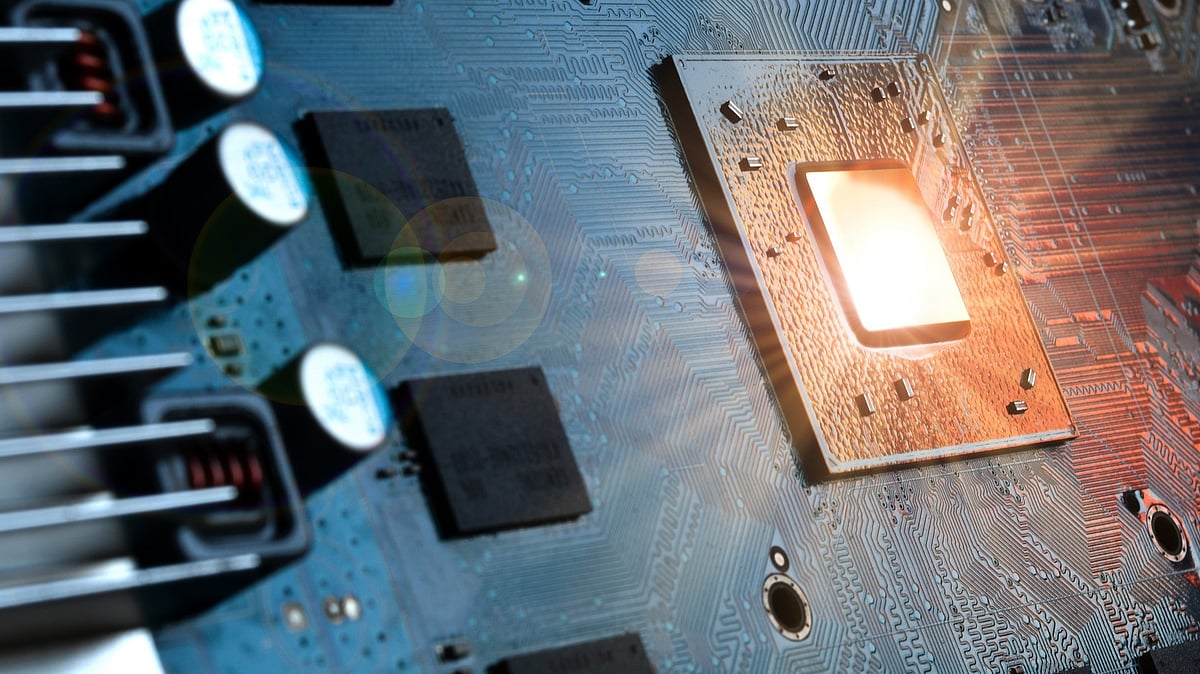
Artificial intelligence (AI) buildouts may keep the global memory supply constrained as enterprise demand accelerates, according to Dell Technologies CEO, Michael Dell. Speaking at a Bank of America event, Dell outlined projections showing AI infrastructure growth could dramatically increase memory requirements. This could prolong shortages already affecting consoles, PCs, and handheld devices.
Dell stated that simultaneous expansion in accelerator memory capacity and data center scale is driving structural demand.
“As both per-accelerator memory capacity and system scale expand simultaneously in AI infrastructure,” total memory demand is forming a structure that could increase roughly 625 times, he said. Dell also added that supply expansion takes years while adoption remains early.
The projection stems from AI accelerators moving from 80GB in NVIDIA’s H100 to around 2TB by 2028, alongside roughly 25-fold deployment growth. Even with less memory-intensive configurations, analysts estimate total demand could still increase by roughly 180 times.
Only a few companies, including Samsung, SK hynix, and Micron, manufacture advanced high-bandwidth memory, limiting near-term capacity expansion.
AI Memory Demand Surge May Keep Hardware Prices Elevated
Investment cuts by memory manufacturers in 2023 reduced supply just as hyperscalers expanded AI data centers. Sovereign AI initiatives across major economies are also sustaining infrastructure spending. Meanwhile, Dell noted enterprises “have no choice but to invest in infrastructure,” emphasizing productivity needs and continued adoption.
The imbalance is already affecting consumer hardware.
Likewise, prebuilt PC prices are projected to rise 15 to 20%, while storage, RAM, and GPU availability remain tight. Large AI systems requiring terabytes of DRAM and hundreds of terabytes of flash further strain production capacity.
With supply growth trailing demand, analysts expect prolonged pressure on memory availability and hardware pricing.

Author
Probaho Santra is a content writer at Outlook India with a master’s degree in journalism. Outside work, he enjoys photography, exploring new tech trends, and staying connected with the esports world.



Related Articles