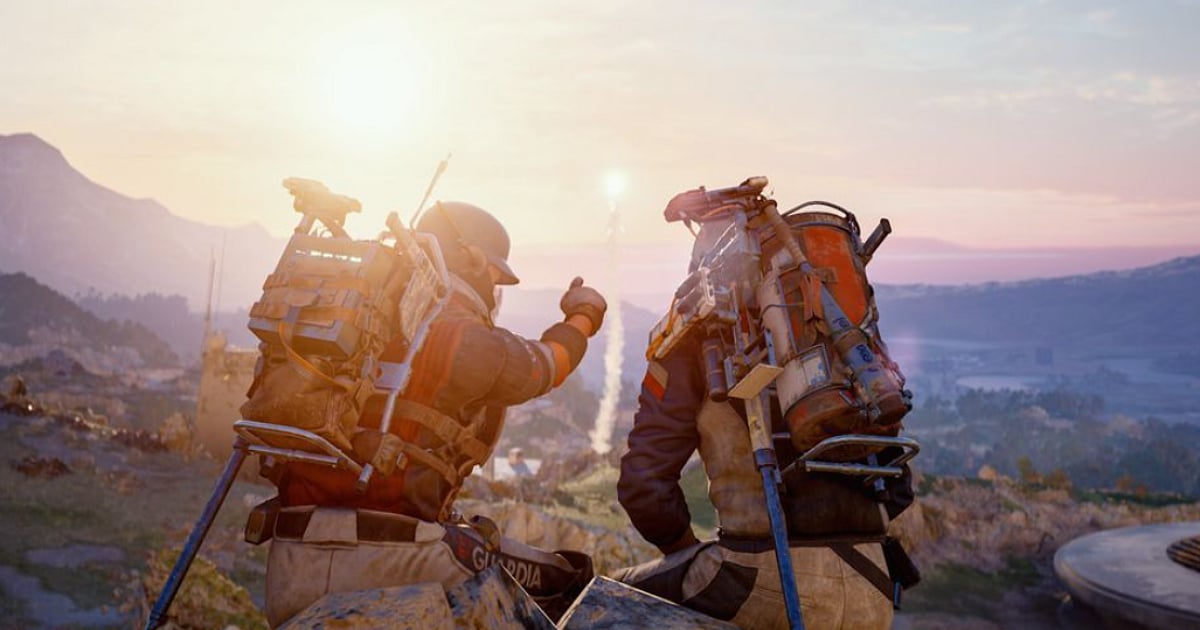






Resident Evil Requiem
NVIDIA DLSS 5 Controversy Signals a Turning Point for Games
NVIDIA DLSS 5 introduces neural rendering for games, but it sparks backlash over AI-altered visuals that might hurt a game’s original creative vision.

Highlights
- DLSS 5 introduces neural rendering that actively shapes final game visuals.
- The new feature is at the center of a debate on growing resistance to AI altering artistic intent and the potential for AI to enhance it.
- The debate could define how much control AI has in future game development.
The NVIDIA Deep Learning Super Sampling 5 (DLSS 5) controversy began with a simple promise. NVIDIA introduced the technology at the GPU Technology Conference 2026 event as a major leap in graphics. It is built around real-time neural rendering that uses artificial intelligence to enhance lighting, materials, and fine detail during gameplay. It was positioned as the next step beyond upscaling and frame generation.
The reaction shifted quickly once early demos appeared. Instead of focusing on performance gains, players and creators began pointing out visible changes in character faces, textures, and overall tone. In several examples, the system appeared to smooth skin, alter facial features, and add a polished look that was not part of the original art direction. It led to immediate criticism online by gamers and content creators.
DLSS 5 is now at the center of a larger debate. It raises questions about artistic control, consistency, and how much influence artificial intelligence should have over the final look of a game.
NVIDIA DLSS 5 Introduces Neural Rendering
DLSS 5 builds on earlier versions of DLSS, which focused on improving performance through upscaling and frame generation. The new version introduces neural rendering, which allows artificial intelligence to contribute directly to the final image.
The system uses inputs such as color data, motion vectors, and geometry to generate additional visual detail in real time. This includes lighting adjustments, improved material response, and enhanced rendering of elements like skin, hair, and fabric. In simple terms, the goal is to create a more photorealistic image in games.
This can be seen as problematic by creatives. Instead of developers fully defining the final output, part of that responsibility is now shared with an AI system. The rendered image becomes a combination of both original content and AI-generated modifications.
Some publishers have already partnered with NVIDIA to adopt the technology. NCSOFT, S-GAME, Tencent, Warner Bros. Games, Bethesda, CAPCOM, Hotta Studio, Netease, and Ubisoft are listed as official partners.
Gaming technology outlet Digital Foundry showcased the technology in Bethesda’s Starfield as part of their breakdown of NVIDIA’s neural rendering. The publisher responded to it, stating, “Appreciate your excitement and analysis of the new DLSS 5 lighting here. This is a very early look, and our art teams will be further adjusting the lighting and final effect to look the way we think works best for each game. This will all be under our artists’ control, and totally optional for players.”
Why Gamers are Pushing Back Against DLSS 5
The strongest reactions to DLSS 5 have focused on what the technology changes rather than what it improves. Early demos showed clear differences in character appearance, particularly in facial features and surface detail. Many felt they altered the tone and identity of the original art.
This response reflects a broader concern that the technology modifies visuals beyond what developers explicitly create. Players are reacting to the idea that an external system is making creative decisions. The backlash raises a question about creative control. Who decides how a game should look: the developer or the system enhancing it?
The reaction to DLSS 5 cannot be separated from the wider perception of artificial intelligence in creative fields. Over the past few years, AI tools have been used in art, writing, and design in ways that often bypass traditional creative processes.
This has created a sense of distrust among both creators and audiences. Many view AI systems as tools that replicate or reinterpret existing work without fully understanding the intent behind it. When applied to games, this concern becomes more visible because visual design is central to player experience. Many gamers are unhappy about how much influence AI should have over creative work.
Creators Raise Concerns About Long-Term Impact
Technical creators and analysts have taken the discussion further by looking at how DLSS 5 could affect development pipelines. Channels such as Hardware Unboxed, Gamers Nexus, and Hardware Canucks have highlighted concerns about how neural rendering fits into existing workflows.
Hardware Unboxed responded to the ongoing controversy, stating, “Are we supposed to actually believe DLSS 5 gives developers control to maintain a game's "unique aesthetic" when the examples they show completely change the artistic style of some characters?”
There is also the question of long-term identity that has been raised by many in the gaming space. If multiple games rely on similar AI models, visual styles may begin to converge. This would reduce the diversity that currently defines different studios and genres.
NVIDIA CEO Jensen Huang responded to the criticism in a statement to Tom’s Hardware, stating that DLSS 5 does not change artistic control. He said that DLSS 5 is a controllable system rather than an automatic filter.
According to NVIDIA, DLSS 5 works with the geometry and assets already present in the game. Developers can adjust how strongly the system is applied and can disable it if needed. This argument places responsibility on developers. The final visual result depends on how the technology is implemented, not on the system itself.
Huang also claims that neural rendering is different from generative AI. He said, “This is very different than generative AI; it’s content-control generative AI. That’s why we call it neural rendering.”
What the DLSS 5 Debate Means for the Future of Graphics
The DLSS 5 controversy highlights a turning point in how games may be rendered moving forward. The situation creates a need for clear boundaries. Developers will need tools that allow precise control over how AI is applied. Players may also expect options that let them choose between original visuals and AI-enhanced versions.
The most practical path forward is not to fully reject or adopt DLSS 5. Neural rendering can offer real benefits, but only if it respects the intent behind the original design. DLSS 5 is still in its early stages. Its long-term impact will depend on how studios implement it in real games. The current backlash shows that players are paying close attention. That attention will likely shape how far technologies like this are allowed to go.

Author
Abhimannu Das is a web journalist at Outlook India with a focus on Indian pop culture, gaming, and esports. He has over 10 years of journalistic experience and over 3,500 articles that include industry deep dives, interviews, and SEO content. He has worked on a myriad of games and their ecosystems, including Valorant, Overwatch, and Apex Legends.
Abhimannu Das is a web journalist at Outlook India with a focus on Indian pop culture, gaming, and esports. He has over 10 years of journalistic experience and over 3,500 articles that include industry deep dives, interviews, and SEO content. He has worked on a myriad of games and their ecosystems, including Valorant, Overwatch, and Apex Legends.



Related Articles