




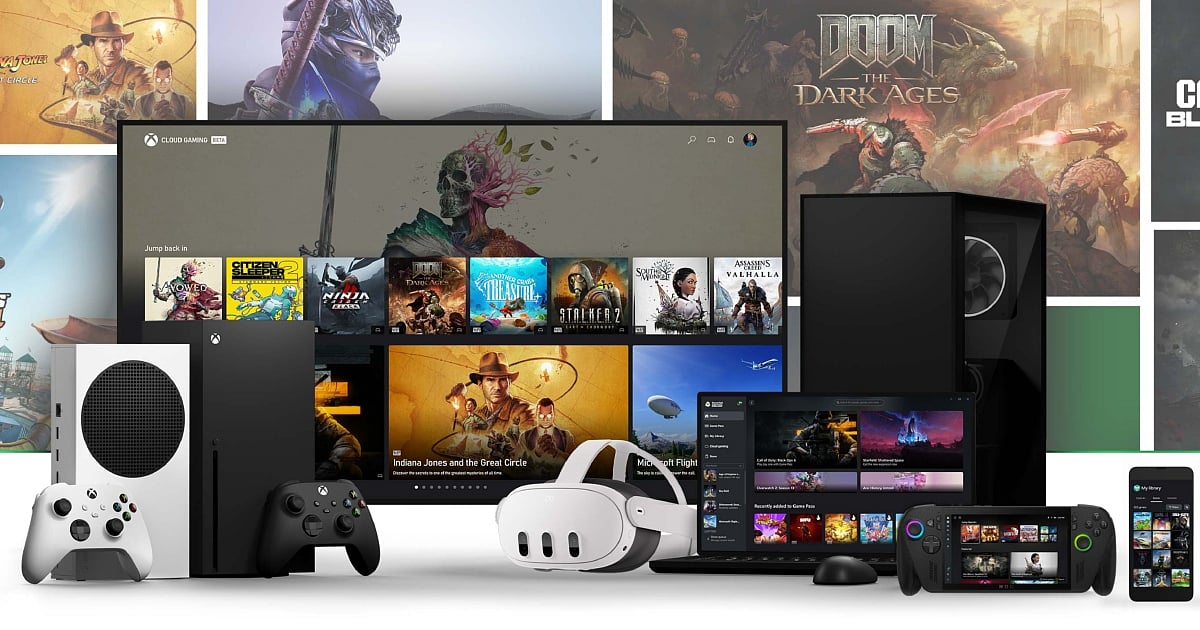
The gaming hardware market is bracing for a 19.5% drop in 2026.
Global Game Console Shipments Forecast to Plummet 19.5% in 2026
A global RAM and storage crisis is driving up costs, causing a 19.5% drop in 2026 console shipments for Nintendo Switch 2, PlayStation 5, and Xbox Series X|S hardware.

Highlights
- Global console shipments are set to drop 19.5% in 2026 due to a RAM and storage crisis driving up prices.
- Switch 2 leads sales, while PS5 and Xbox Series hardware face steep declines amid aging tech and price hikes.
- Market recovery is not expected until 2030, contingent on component costs stabilizing for next-gen consoles.
The video game console market is heading into a steep dive this year, with global shipments projected to plunge by 19.5% to just 33.9 million units worldwide. According to new data compiled in July 2026 by S&P Global Market Intelligence Kagan, this sharp downturn will completely erase the industry's recent celebratory highs. Just last year, the launch of the Nintendo Switch 2 sparked a massive 13.5% surge, pushing global shipments to 42.1M units. Now, that hard-won momentum is evaporating as the industry faces a harsh economic reality.
The primary culprit behind this sudden contraction is an ongoing global RAM and storage crisis, which has driven up manufacturing costs and forced platform holders to make their consoles less affordable. Rather than receiving traditional late-generation price cuts, everyday gamers are being greeted with sticker shock. S&P Global Market Intelligence analyst Neil Barbour points out that the market is struggling under the weight of a compounding problem.
Consumers are trapped between hardware that is either too old or simply too expensive for the median buyer, a software lineup that feels thin outside of a few major releases, and a broader macroeconomic environment that takes any meaningful price relief off the table.
This hardware slump is expected to get worse before it gets better. S&P projects that home console shipments across Microsoft, Sony, and Nintendo will sink even further to about 27.1M units by 2027. A gradual recovery is forecast to bring the market back up to 37.4M units by 2030, but that long-term rebound comes with a major caveat. Barbour notes that a critical assumption underlying this future recovery is that the component crisis will ease up enough by 2028 to allow Sony and Microsoft to launch their next-generation hardware at realistic price points within the $600 to $800 range.
Nintendo Switch 2 Slowdown Ahead of Pokémon Winds & Waves
While Nintendo is still leading the pack, its newest hybrid console is not immune to the market's broader cooling trend. S&P forecasts that Switch 2 sales will hit 17.1M units in 2026, a pace that remains comparable to the second-year performance of the original Switch and similar to the historic run of the Wii. Nintendo’s own internal full-year results are slightly more conservative, projecting that Switch 2 sales will decline by 16.9% to hit 16.5M units in its second fiscal year on the market.
Part of this slowdown is tied to a $50 price increase that is currently dampening consumer demand. Compounding matters for Nintendo is the lack of a massive, system-selling software tentpole in the immediate future. Gamers waiting for the next generational leap in the company's biggest monster-catching franchise will have to be patient, as the major title Pokémon Winds and Waves is not scheduled to launch until late 2027, as reported by Gamesindustry.biz.
Outlook Respawn
PlayStation 5 Price Hikes & the PlayStation 6 Forecast
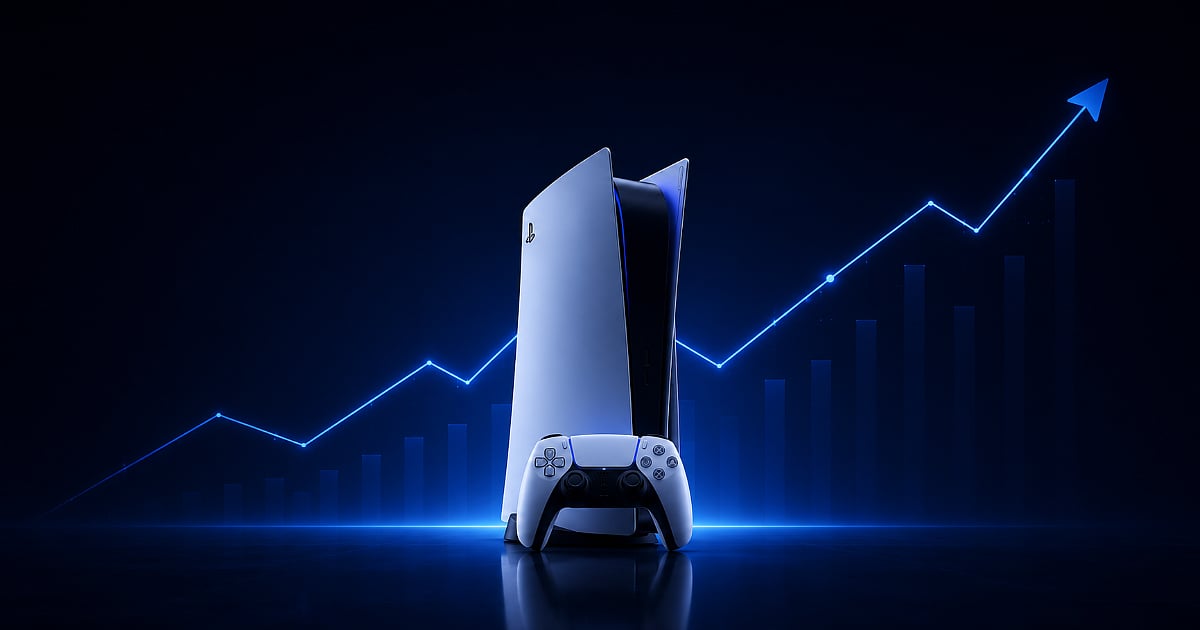
Sony is also feeling the squeeze as the PlayStation 5 enters its sixth year on store shelves. Across all models, the PS5 shipped 17.1M units in 2025, which already represented a 15.2% decrease year-on-year. S&P expects that downward trajectory to continue, predicting shipments will drop to 13.2M units throughout 2026.
The ongoing RAM crisis directly impacted PlayStation fans in April 2026, when Sony was forced to raise retail prices across its entire hardware lineup. Barbour noted that those numbers present a difficult proposition for consumers considering a six-year-old device, pointing out that the sales gap between the PS5 and the PS4 is already negative and widening.
The analyst even questioned whether the massive anticipation surrounding the release of Grand Theft Auto 6 will be compelling enough to offset these higher prices, despite strong consumer demand for compatible hardware. Looking ahead, S&P’s forecast models a potential PlayStation 6 launch in 2028, projecting it will contribute 4M units in its first year and eventually scale up to 17.2M units by 2030.
Microsoft / Xbox
Xbox Series X|S Slowdown
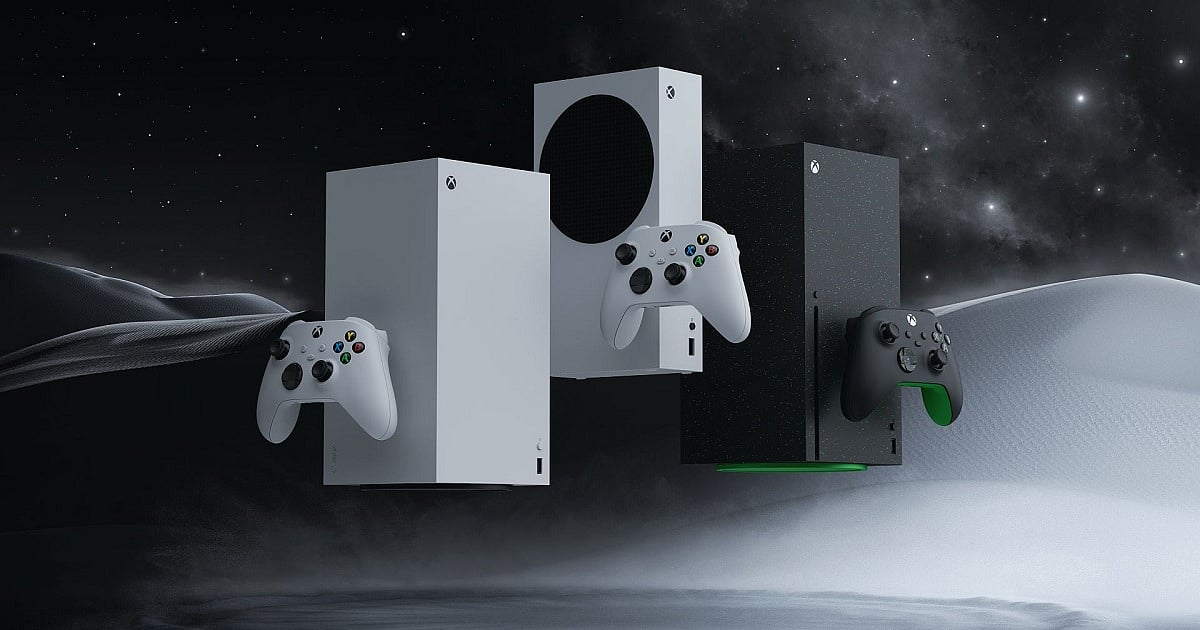
Microsoft faces the steepest uphill battle, with the Xbox brand experiencing a severe hardware slowdown. The company shipped just 3.2M Xbox Series X|S consoles last year, marking the lowest annual total on record for the platform. That drop accelerated in the first quarter of 2026, when quarterly shipments fell below 500,000 units for the very first time in S&P’s historical dataset.
The firm now forecasts that just 2.5M Xbox Series units will be sold in 2026, followed by a rapid wind-down toward zero in the years after. Barbour attributes this sharp decline to an uneven first-party software library, a subscription-first strategy that failed to drive hardware adoption, and a pricing reality that now puts a standard Xbox Series X $100 above a base PS5.
All eyes are now turning to Xbox's next-generation console, Project Helix. Built to support both traditional Xbox library games and PC titles alongside full backwards compatibility, the machine is expected to command a higher price point. Barbour highlighted the risk that this hybrid approach could limit the system's appeal to a narrower, more enthusiast-oriented audience.
S&P predicts that this next Xbox machine will sell roughly 2M units in its launch year, eventually scaling to 7.3M by 2030. However, Barbour cautioned that the actual outcome could look very different, noting that a fully open PC platform with Xbox branding might not even resemble a traditional console or be counted in standard industry models.
For now, analysts are functionally splitting the difference between a proper Xbox successor and an Xbox-certification program with PC manufacturers, treating Microsoft's post-2027 trajectory as a wide range of possibilities contingent on decisions that have yet to be revealed.

Author
Krishna Goswami is a content writer at Outlook India, where she delves into the vibrant worlds of pop culture, gaming, and esports. A graduate of the Indian Institute of Mass Communication (IIMC) with a PG Diploma in English Journalism, she brings a strong journalistic foundation to her work. Her prior newsroom experience equips her to deliver sharp, insightful, and engaging content on the latest trends in the digital world.
Krishna Goswami is a content writer at Outlook India, where she delves into the vibrant worlds of pop culture, gaming, and esports. A graduate of the Indian Institute of Mass Communication (IIMC) with a PG Diploma in English Journalism, she brings a strong journalistic foundation to her work. Her prior newsroom experience equips her to deliver sharp, insightful, and engaging content on the latest trends in the digital world.