




Study Finds AI Fiction is Dominated by Power Users
Study Finds AI Fiction is Dominated by Power Users
Researchers say AI storytelling is increasingly shaped by repeat users and personalized fiction prompts.

Highlights
- A study of over 500K ChatGPT conversations found that the top 2% of users generated more than 80% of AI fiction chats.
- Researchers identified "story cyclers" and "infinite story demanders" as the dominant AI fiction user patterns.
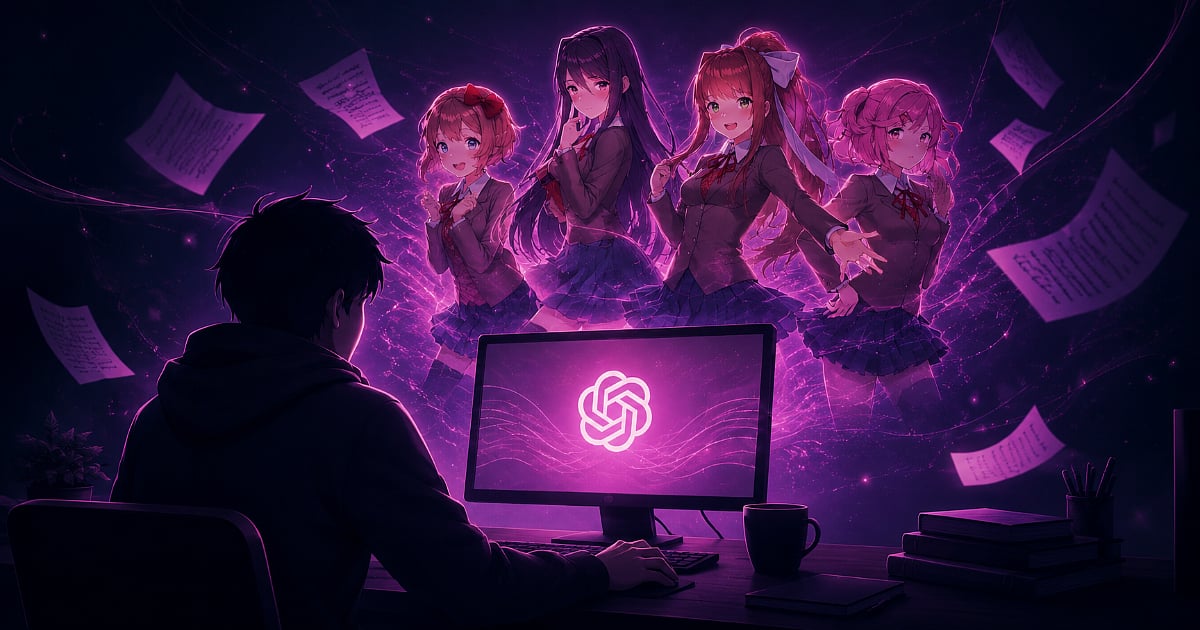
- One anonymous user generated thousands of variations of the same Doki Doki Literature Club fanfiction prompt over several months.
A new study analyzing more than 500K anonymized ChatGPT conversations has found that AI-generated fiction is largely driven by a small group of highly active users. The study identifies these repeat users as "power users," who produce most of the fiction prompts. The research also uncovered one anonymous user who generated thousands of variations of the same Doki Doki Literature Club fanfiction prompt.
The study was conducted by researchers at the University of Washington and the University of Colorado Boulder. It examined how people use ChatGPT for storytelling through the public WildChat dataset.
Published as AI Fiction in the Wild, the paper found that fiction generation made up more than one-third of the English-language conversations in the dataset. The findings highlight AI's growing role in original stories, roleplay, fanfiction, and other forms of creative writing.
Researchers Identify Repetitive AI Storytelling Patterns
The researchers found that fiction generation was concentrated among a small number of repeat users. Around 34% of the 573,453 English-language WildChat conversations involved fiction. However, the top 2% of users accounted for more than 80% of all fiction-related chats.
The paper identifies two recurring user profiles. "Story cyclers" revisit similar themes before moving to new ones. "Infinite story demanders" repeatedly generate variations of the same narrative over long periods.
The study also found that nearly half of all fiction prompts were fanfiction. More than a quarter contained sexually explicit content. Among all the franchises analyzed, Doki Doki Literature Club appeared most often, ahead of Naruto and League of Legends.

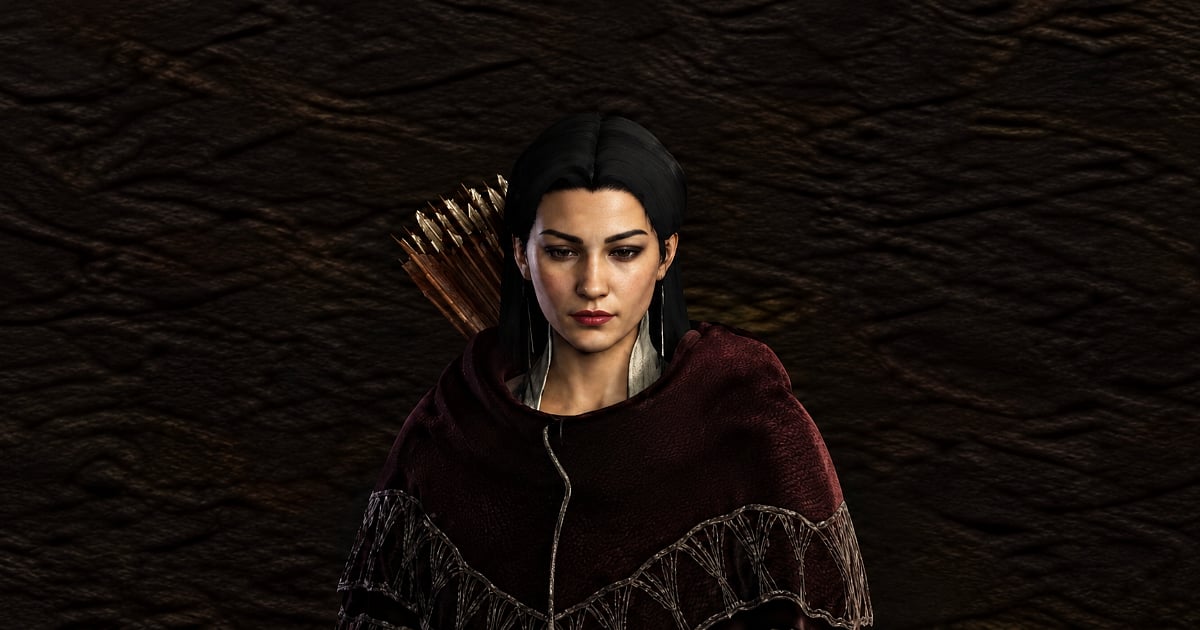
Doki Doki Literature Club (DDLC)/Official Site
One Doki Doki Literature Club Prompt was Generated Thousands of Times
The paper highlights one unusual example involving an anonymous user. The user repeatedly prompted ChatGPT with nearly identical Doki Doki Literature Club scenarios. Each prompt described character Natsuki unexpectedly going into labor inside the school's literature clubroom.
The prompt then ended mid-scene, leaving ChatGPT to complete the story.
According to the researchers, the same setup was repeated thousands of times over several months. Each response followed the same premise but produced small variations in dialogue and events. In one AI-generated continuation quoted in the paper, a paramedic tells Natsuki, "Congratulations, Natsuki. It's a beautiful baby girl."
The researchers use the example to illustrate repetitive prompting behavior. They do not suggest it represents typical ChatGPT usage.
Study Raises Questions About AI's Role in Storytelling
Beyond documenting usage patterns, the researchers argue that AI could reshape the relationship between readers and writers. They suggest language models allow users to generate and consume personalized fiction within what they describe as a "closed conversational loop."
That shift could influence how people engage with fanfiction, stories, and publishing.
The study further found that AI-generated fiction often revolves around repetition, familiar genres, immediacy, and niche combinations of story elements. The authors say these patterns deserve further study as AI becomes a larger part of storytelling and entertainment.
Author
Probaho Santra is a content writer at Outlook India with a master’s degree in journalism. Outside work, he enjoys photography, exploring new tech trends, and staying connected with the esports world.