





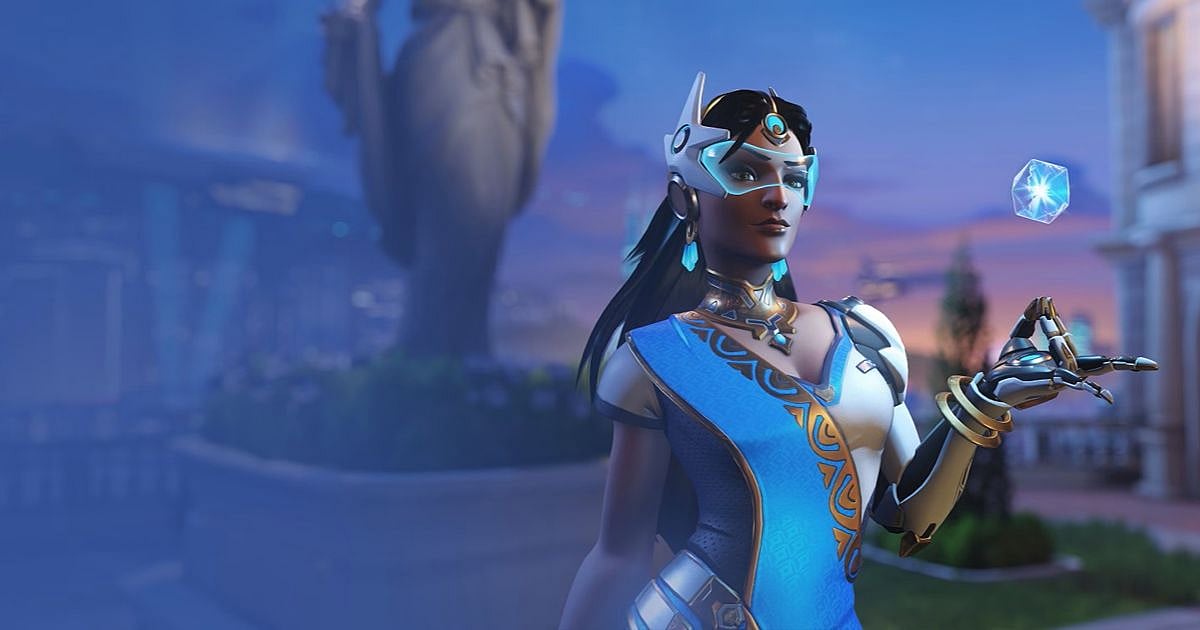
Symmetra, the Indian architech from Overwatch 2, is one of the few South Asian women characters in a major global game franchise. (Image: Blizzard Entertainment)
The Women Shipping Games in Rooms That Weren't Built for Them
Megha Gupta and Vanita Mascarenhas on what it takes to be taken seriously in a room that wasn't built for them.

Megha Gupta grew up playing Aladdin, Dangerous Dave, Spyro, Road Rash, Duck Hunt, Jazz Jackrabbit, Age of Empires, and Tekken with her brother. Vanita Mascarenhas has been a gamer for as long as she can remember. Both women turned that into careers making games. Both say the industry made them fight for the privilege.
Gupta is the producer of Spook-A-Boo and co-founder of Wala Interactive. Mascarenhas is a producer at Dot9 Games, where she worked on FAU-G: Domination, Ram Setu The Game, and Apna Games. Between them, they've shipped dozens of titles across casual, hypercasual, and mid-core genres. They came up through different studios, different cities, different game types. They arrived at the same conclusion: the Indian gaming industry's gender problem isn't about who's applying. It's about what happens once you're in the room.
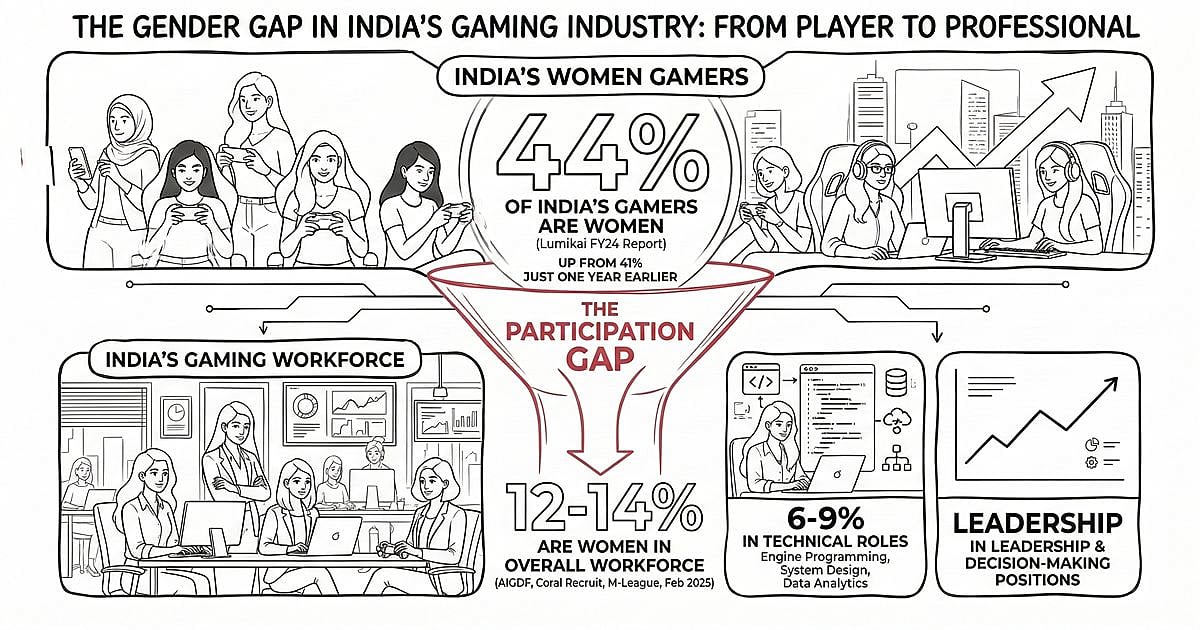
The numbers frame the gap. Forty-four percent of India's gamers are women, up from 41% just one year earlier, according to Lumikai's FY24 report on India's interactive media and gaming market. But women make up just 12-14% of the gaming workforce, according to a February 2025 report by AIGDF, Coral Recruit, and M-League. In technical roles, the number drops to 6-9%. In leadership and decision-making positions, it's under 10%.
A room of one
Megha has been in the industry for about a decade. She remembers what it felt like at the start.

"When I started ten years ago, walking into a room of 100 people and being the only woman was incredibly overwhelming."— Megha Gupta, Producer, Spook-A-Boo; Co-Founder, Wala Interactive
That was ten years ago. Vanita describes a version of the same thing happening today. "I am often the only woman in a room of thirty-odd men," she said. "Visibility is a start, but true change happens when a studio values capability over identity, ensuring that ideas are heard on merit and execution matters more than statistics."
Megha goes further. At Game Jam Jaipur earlier this year, she argued that the core problem isn't a lack of women entering game dev. It's that many men in the industry don't see women as gamers at all, and that this kills professional conversations before they start. You can't fix a perception problem with a hiring quota.
"I've had to be very firm in making people understand that I am serious and that I truly understand gaming — it's not just a hobby, and I won't be underestimated," she said.
Vanita put it differently but landed in the same place: "Credibility inside the studio is earned through the work itself."
The implication, in both cases, is that the earning period is longer and less forgiving if you're a woman.
The games they made
Both women made the same bet: let the work do the arguing.
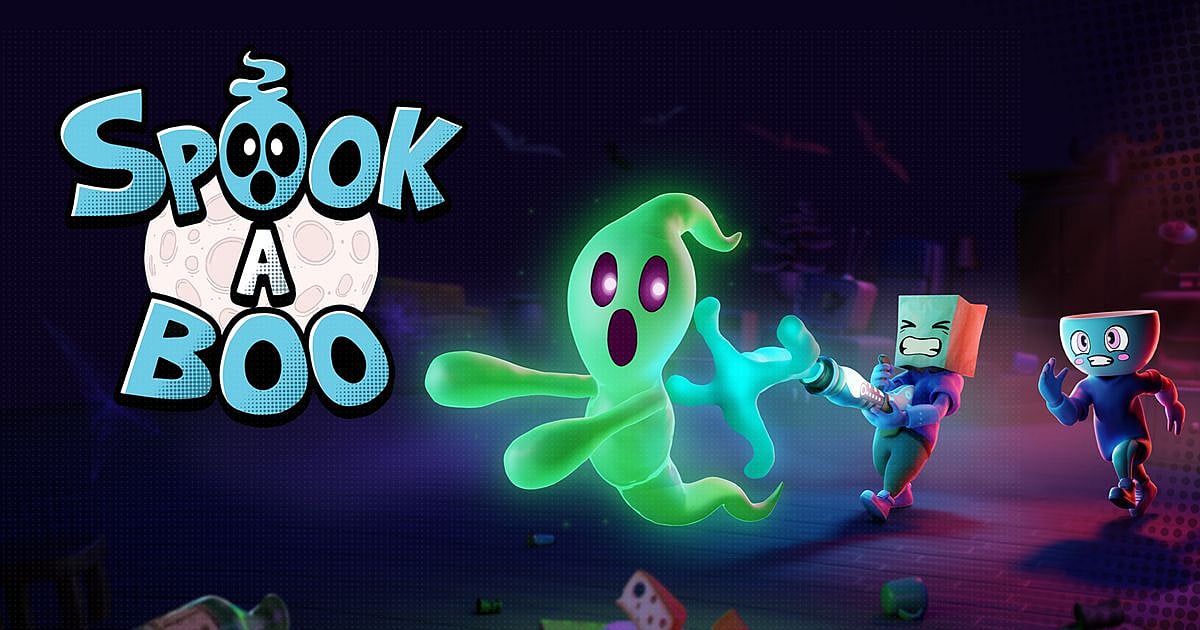
Megha and her team at Wala Interactive built Spook-A-Boo — not a simple casual title, but a physics-based multiplayer game with online and couch co-op modes, a Saturday morning cartoon art style, and what she describes as "tons of personality." Before that, Wala had shipped over 50 casual and hypercasual games. Spook-A-Boo was supposed to be the studio's statement piece, proof that a small Indian team could make something with mechanical depth and real character.
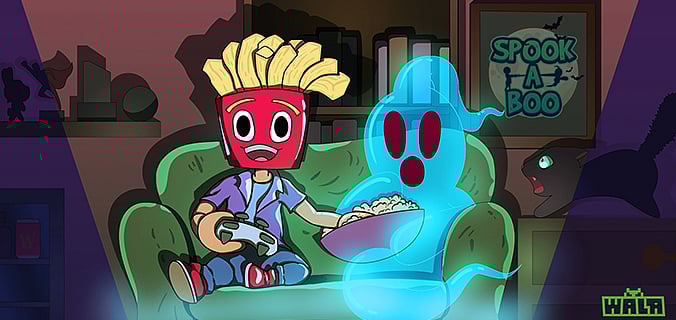
It nearly didn't happen. Megha funded the production herself. Her 10-member team worked on what she calls a survival budget. "They were as accountable as I was; they believed in the game," she said. "We stayed motivated by our core goal: making games that inspire emotions and make people laugh."
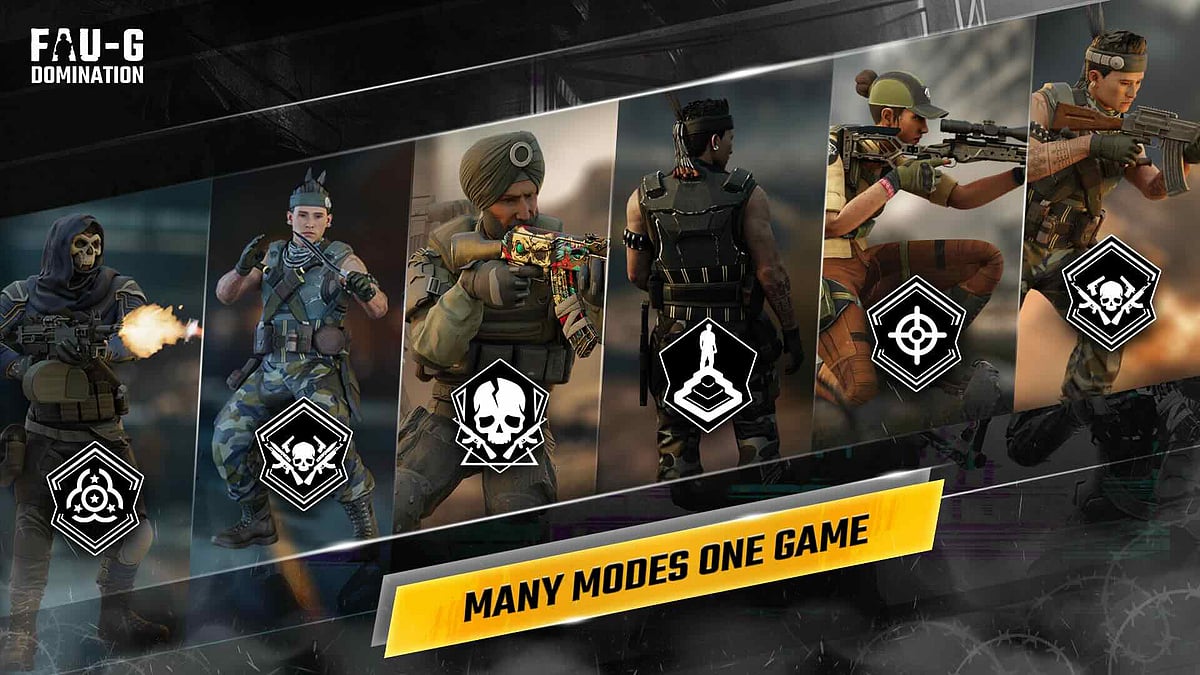
Vanita faced a different version of the same squeeze. FAU-G: Domination was a shooter, built at a time when most Indian studios were sticking to casual and hypercasual titles because that's where the funding went.
"Producing a heavy game like FAU-G: Domination in a market dominated by casual titles was a challenge because funding is still heavily skewed towards casual and hypercasual genres," she said. "We wanted to build something that resonated with Indian themes and architectural styles, which required deeper narrative investment."
The payoff, for both, was the same: when the work shipped and held up, the conversations around them changed.
"When you produce high-quality games that make people laugh and provide a viable business case, respect follows the results."— Megha Gupta
Vanita described the shift in terms of how publishers and players responded to Dot9's output. "Once you show you can pull off a game of the scale of FAU-G: Domination — with its stylized art, technical depth, and gameplay chops — in just two years, publishers and players see the work and respect the studio."
But neither pretends this is a clean formula. Megha is direct about the cost: "The hardest part was the initial isolation and the constant need to prove that I wasn't just a girl who doesn't know anything about gaming. I had to be very particular in choosing a team that respected my voice and didn't underestimate me."
How they got here
Neither woman took a straight line into game dev, and both think that's actually an advantage.
Megha was an analyst at EY before co-founding Wala Interactive. She says the business background is what kept her studio alive. "To survive, you must turn your art into a viable business. Understanding the business side helps when you're facing a lack of funding and have to sponsor your own production, as I did for Spook-A-Boo," she said.
Vanita's resume spans voice-over work, VFX, data analytics, and game production. She left the industry at one point and had to fight her way back in, relearning systems and adapting to what she calls "lightning-fast technological changes." She doesn't see that winding path as a weakness.
"In creative industries, careers rarely move in straight lines. They evolve through phases of exploration, learning, and reinvention," she said. "Those peaks across different disciplines often become the very experiences that strengthen your creative and strategic perspective."
She also argues that game development is misunderstood as a purely technical discipline. "Not everyone needs to be a developer to be a game creator. The worlds players experience are built through the combined work of artists, designers, producers, analysts, storytellers, and technologists."
For women considering the industry, Vanita says moving across disciplines matters because it prevents getting siloed. "Flexibility is crucial because game development is a collaborative process; it is never just one person shaping a game," she said. Understanding how narrative interacts with mechanics, or how design constraints affect storytelling, makes you harder to sideline.
The bridge and the network
If the problem is cultural, both women say the fix has to be cultural too. Policy helps. Mentorship works faster.
Megha talks about this in terms of obligation. "Those of us who have already fought our way into the system must actively set examples, hire more women, and make them feel comfortable from day one," she said. She references platforms like WINGS and the IGDC Women in Gaming initiative, and describes leading local chapters to give women a space to be honest and confident.
"It's about creating an environment where a woman doesn't feel she has to purposely adjust her life to fit in, but can instead use her voice to stand out, just as my mother encouraged me to do," she said.
Vanita operates at a different scale. As a Women in Games Ambassador — a role conferred by the UK-based global Women in Games organization — she describes her job in India as "being a bridge between global standards of inclusion and the specific cultural and commercial realities of our younger ecosystem." That role involves supporting events, conferences, and publications like the organization's "Building A Fair Playing Field" report.
The Indian ecosystem is young. The formal infrastructure that exists in larger Western studios — structured mentorship, transparent promotion ladders, dedicated diversity programs — is mostly absent. Indian game dev runs on small teams, tight budgets, and founder-led culture. That makes individual leadership disproportionately important, and its absence disproportionately felt.
The dinner table conversation
There's a layer beneath studio culture that both interviews surface: family perception. Whether a young woman enters game dev at all often depends on whether her parents consider it a real career.
Megha credits her parents directly. "I was lucky to have a privileged upbringing where my parents treated me and my brother as equals and never barred me from playing games," she said. She sees the cultural tide turning, pointing to programs like the Xbox Developer Accelerator Programme and WINGS taking initiatives in Southeast Asia and India. "Families are starting to see the huge benefit and legitimate career opportunities that gaming offers," she said.
Vanita is less optimistic. "Gaming in India is still mainly seen as an entertainment vehicle rather than a professional artistic pursuit," she said. She frames this as a missing step: while more games now feature Indian stories and mythological themes, getting families to treat game development as a legitimate profession requires proof that results and execution are what the industry values.
Until that dinner table conversation changes, the pipeline will remain self-selecting and skewed — weighted toward women whose families happened to be supportive, or whose determination was strong enough to override the doubt.
The advice
Both women were asked what they'd tell a 20-year-old woman who wanted to break into game development tomorrow.
"If you really love it, then go for it. Don't be discouraged by the disparity; instead, focus on building good games and let the work speak for you. You must be prepared for the slogging and the times you won't sleep, but if you truly learn your art and turn it into a business, you will find your space. Most importantly, find your community so you don't have to fight the journey alone."— Megha Gupta
"Create, play, refine — repeat. You must play a lot of games — not just for fun, but to deconstruct their techniques. Understand that your work must function within the constraints of game mechanics, be ready to iterate based on feedback, and remember that in this industry, your capability is what will ultimately create your credibility."— Vanita Mascarenhas
The advice is practical. It is also, between the lines, a warning. The work has to speak for you because, too often, the room won't.

Author
Vignesh Raghuram is the Editor of Outlook Respawn, where he leads editorial strategy across gaming, esports, and pop culture. With a decade of experience in gaming journalism, he has established himself as a trusted voice in the industry.